1. At a Glance – The Chain Gang That Owns the Road
If Indian two-wheelers had a LinkedIn profile, they’d all endorse L G Balakrishnan & Bros Ltd for “keeping things moving.” With a market cap of ₹5,868 Cr, a current price of ₹1,840, and a return of 48% in the last six months, this isn’t a sleepy auto-ancillary—it’s a middle-aged uncle who suddenly discovered CrossFit.
Q3 FY26 numbers? Sales ₹817 Cr (+20.6% YoY), PAT ₹88 Cr (+24.8% YoY), OPM steady at ~16%, and EPS ₹27.73 for the quarter. Debt is a polite ₹180 Cr, interest coverage is a flex-worthy 29.6×, and dividend yield sits at 1.08%—because LGB believes in rewarding patience, not YOLO traders.
But the real mic-drop stat? Over 60% market share in the domestic two-wheeler chain segment. That’s not leadership—that’s monopoly energy without the regulator panic. With 79% revenue from Transmission, 21% from Metal Forming, and 30%+ from high-margin aftermarket (Rolon brand), LGB is quietly compounding while others scream CAPEX on earnings calls.
So… is this just a boring, reliable compounder—or a chain-swinging alpha machine in disguise? Let’s dig.
2. Introduction – From Bicycle Chains to Balance-Sheet Chains
LGB’s story is classic Indian manufacturing: start small, survive cycles, reinvest relentlessly, and wake up one day supplying almost every major OEM on the road. While investors chase EV hype and AI buzzwords, LGB keeps doing something radical—making money selling metal things that actually break and need replacement.
India’s auto cycle has always been moody. When OEM demand slows, ancillaries panic. LGB doesn’t. Why? Because aftermarket revenues (30%+) cushion the blows, and replacement chains don’t care about GDP forecasts—they care about potholes.
Over the last decade, sales CAGR sits around 8–11%, but profits tell a different story—30% CAGR over five years. That margin expansion isn’t luck; it’s
scale, brand power (Rolon), and ruthless cost control.
And now management is not sitting idle. There’s ₹640 Cr of planned CAPEX across FY25–FY27, a new Nagpur MEGA project, re-entry into industrial chains, and the RSAL Steel acquisition adding upstream muscle.
Question for you: how many “boring” auto ancillaries do you know that are quietly upgrading themselves into integrated, margin-protected machines?
3. Business Model – WTF Do They Even Do?
Imagine explaining LGB to a friend who thinks “chains” only belong in gyms and rappers’ necks. Here’s the lazy-investor version:
Transmission Segment (79%)
This is the cash cow. Chains, sprockets, tensioners, belts, brake shoes—basically everything that ensures power actually reaches the wheels. LGB is a Tier-I supplier to almost all major 2W OEMs, and its scale gives it pricing power without being obnoxious about it.
Metal Forming Segment (21%)
This is where LGB shows off its engineering degree. Fine blanking, precision sheet metal parts, machined components, wire drawing—some used internally, some sold externally. Lower glamour, but high stickiness.
Aftermarket – Rolon
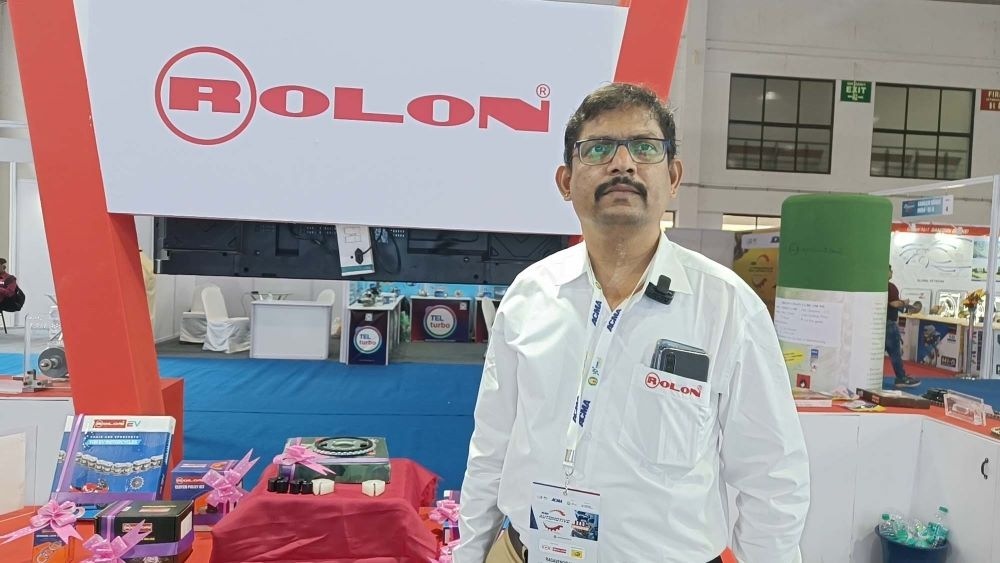
This deserves its own fan club. Rolon chains dominate replacement markets with better margins than OEM supply. When bikes age, Rolon gets paid. When roads stay bad, Rolon gets richer. Coincidence? No. India thesis.
Geography
