KN Agri Resources Ltd H1 FY26 – Soya, Solvent & Sarcasm: When 3% Margins Feel Like 30% Dreams
1. At a Glance
Welcome to KN Agri Resources Ltd, where every soybean dreams of becoming “Khanpan refined oil” before the market refines the shareholders. At ₹202 a share (as of Dec 10, 2025), this ₹504 crore midcap has the patience of a monk and the margins of a kirana shop. The company runs an agri-food empire — solvent extraction, edible oil refining, and a modest flirtation with power generation via four windmills that probably generate more memes than megawatts.
In the last quarter (Sep 2025), KN Agri clocked ₹820 crore in sales — up 8.8% year-on-year but flatlining QoQ. Profit after tax stood at ₹14 crore, slightly lower than ₹14.02 crore last quarter (a respectable -2.3% drop). The P/E stands at 13.7 — cheaper than a college canteen lunch compared to industry’s 25.6 average. ROCE? A healthy 14.8%. Debt-to-equity? A chill 0.13. But before you romanticize it as a “Marico in the making,” note — the company hasn’t paid a single paisa dividend since your first lockdown dalgona coffee.
Still, for a company that makes ₹1,791 crore in sales and ₹36.7 crore profit, this edible oil extractor is squeezing decent returns out of every seed. Whether that’s sustainable or just soya luck — let’s find out.
2. Introduction
There are agri companies that sow and reap. Then there’s KN Agri — they sow, reap, refine, extract, and export — and still manage to make only 3% operating margins. It’s like running a wedding buffet and ending up with just one gulab jamun.
Born in 1987, this Indore-based firm has been doing farm-to-fork before it became an Instagram hashtag. The company’s revenue streams flow from edible oil, flour milling, agro-commodity trading, and renewable energy. Think of it as the Swiss Army knife of Indian agribusiness — except every blade cuts margins instead of costs.
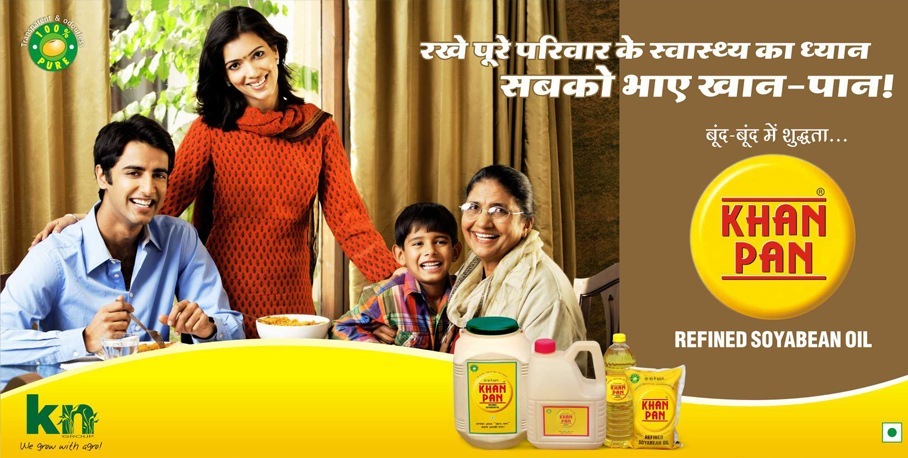
Over the years, KN Agri has expanded into power generation and even ethanol (because who doesn’t want to hedge edible oil with flammable liquid?). Its brands “Khanpan” and “Classic” dominate the soy oil shelves in tier-II towns, where the average consumer decides between price per litre and cholesterol per chapati.
But beneath the wholesome “farm-to-consumer” narrative lies a balance sheet that’s as tight as a farmer’s credit cycle — low debt, stable reserves, and some stubbornly stagnant growth. It’s a company that knows how to stay alive, even if it doesn’t make headlines.
3. Business Model – WTF Do They Even Do?
Imagine a soybean’s journey through life: born in a Madhya Pradesh farm, crushed into oil and cake, packaged, sold, and then its oil lights up kitchens while its meal feeds livestock. KN Agri is basically the reincarnation agency for soybeans.
The company operates across four verticals:
Agri-Processing: Extraction and refining of edible oils, mainly soybean and rapeseed.
Distribution: Sells agro-commodities like wheat, maize, pulses, sugar, and gram — because diversification is the Indian investor’s love language.
Power Generation: Four windmills hum away somewhere in MP, producing renewable energy and the occasional CSR story.
Ethanol: A baby vertical that hints at future growth — if policies and sugarcane supply align.
Their product lineup could fill an entire departmental store aisle: refined soya oil, lecithin, soya flour, cotton seed oil, and more. The company even sells to corporate clients like Adani Wilmar, Cargill, Bunge, Olam, and ITC — basically, all the big boys who make the margins vanish.
Installed capacities?
Solvent extraction: 3.75 lakh tonnes per annum
Edible oil refining: 60,000 TPA
Flour milling: 24,000 TPA
These plants hum 24×7 in Madhya Pradesh, making KN Agri one of central India’s silent agri giants. But if you’re looking for FMCG-style branding blitzes — sorry, they’re still in the era of “dealer margins” and “bulk trading.”
4. Financials Overview
Half Yearly Results Locked (H1 FY26 = Sep 2025)
Metric
Latest Qtr (Sep’25)
YoY Qtr (Sep’24)
Prev Qtr (Mar’25)
YoY %
QoQ %
Revenue
₹820 Cr
₹754 Cr
₹971 Cr
8.8%
-15.6%
EBITDA
₹24 Cr
₹25 Cr
₹36 Cr
-4%
-33%
PAT
₹14 Cr
₹14 Cr
₹23 Cr
0%
-39%
EPS (₹)
5.61
5.74
9.08
-2.3%
-38.2%
EBITDA margins continue to hover around the 3% zone — consistent, but about as exciting as a boiled soybean. QoQ decline in profit was sharp, but YoY stability indicates operational resilience.
Annualized EPS based on Sep’25 = ₹5.61 × 4 = ₹22.4 At CMP ₹202 → P/E (Annualized) = 202 / 22.4 = 9.0x (cheaper than stated 13.7 since annualized earnings vary slightly).
5. Valuation Discussion – Fair Value Range (Educational)
Method 1: P/E Method Industry P/E = 25.6 Company P/E = 13.7 EPS (TTM) = ₹14.7 → Fair Value Range = ₹14.7 × (13 – 20) = ₹191 – ₹294
Method 2: EV/EBITDA EV = ₹546 Cr; EBITDA (TTM) = ₹64 Cr → EV/EBITDA = 8.5x Peers trade ~12–18x; → Fair Value (EV basis) ≈ ₹500 – ₹800 Cr market cap ⇒ ₹185 – ₹295 per share
Method 3: Simplified DCF (Assuming 10% PAT growth, 11% ROE) DCF range suggests intrinsic value between ₹190 – ₹280 per share.
🧾 Disclaimer: This fair value range is for educational purposes only and is not investment advice.
6. What’s Cooking – News, Triggers, Drama
KN Agri’s big news? It’s now listed on the NSE Main Board effective December 9, 2025. Translation: The company