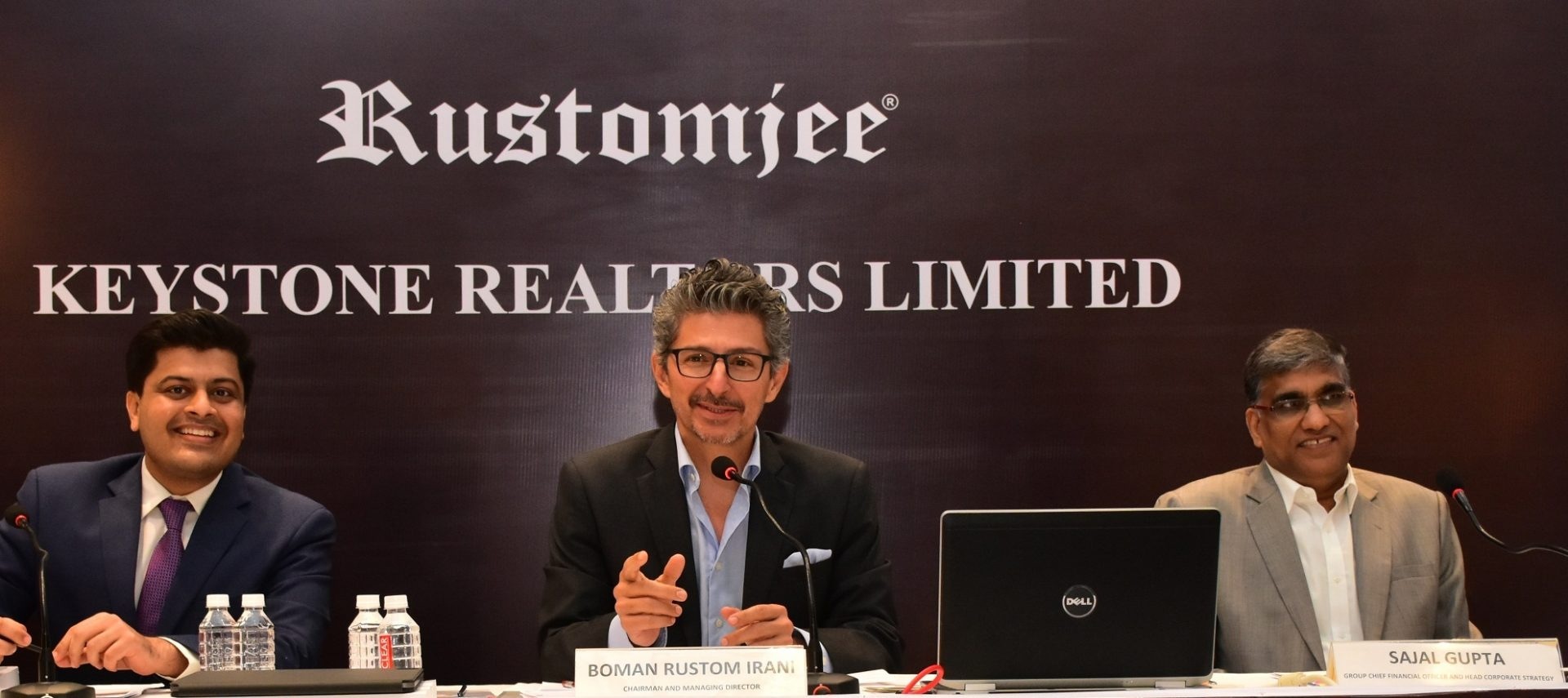
The Mumbai real estate skyline is getting a massive makeover, and Keystone Realtors (the force behind the Rustomjee brand) is holding the master plan. While the broader market whispers about a “slowdown,” Keystone just dropped a financial hammer, reporting a 33% surge in pre-sales for FY26, hitting a massive ₹4,022 crore. In a city where land is more expensive than gold, this company isn’t just building towers; it’s building a massive redevelopment machine that has doubled its market share in three years.
But don’t let the shiny brochures fool you into thinking it’s all easy money. Real estate is a game of high stakes and even higher debt risks. Keystone is aggressively chasing a ₹10,000 crore pre-sales target by FY30, but the road is paved with complex cluster redevelopments and massive implementation risks. With a Stock P/E of 65.8, the market is pricing in a perfection that leaves very little room for delays. We are looking at a company that is Net Cash Positive yet carries a gross debt of ₹755 crore. It’s a paradox wrapped in a luxury apartment complex.
1. At a Glance
The numbers coming out of Keystone Realtors for FY26 are designed to make you stare. Pre-sales hit ₹40.22 billion (₹4,022 crore), which is 2.5 times what they did just three years ago. If you like growth, a 36% CAGR in pre-sales is hard to ignore. They launched 7 projects with a Gross Development Value (GDV) of ₹9,813 crore—nearly double what they planned.
However, beneath this aggressive expansion lies a serious reality check. The company’s Return on Equity (ROE) is a measly 2.80%, and Return on Assets (ROA) stands at 1.43%. For a “prominent developer,” these are incredibly thin margins. They are doing massive volumes, but the actual bottom-line profit for the quarter dropped by 19.1% YoY. Why? Because real estate accounting is a lagging indicator. They are recognizing revenue from older, lower-margin projects while the new high-margin luxury pipeline is still under construction.
The “red flags” aren’t hidden; they are part of the business model. The company is leaning heavily into Cluster Redevelopment. This means they take on hundreds of existing families, rehouse them, and then sell the “free sale” portion for a profit. It is a logistical nightmare. One delay in a MHADA approval or a single dissenting housing society can stall thousands of crores in GDV.
Currently, they have a pipeline of 47+ million sq. ft. under development. That is a gargantuan task for a company with an operating profit margin (OPM) that fluctuates wildly, hitting just 5% in the latest quarter. They are betting the house on the “Scale Multiplier” effect. If the Mumbai infrastructure boom continues, they win. If interest rates stay high and buyers develop cold feet, that ₹755 crore debt will start feeling a lot heavier.
Financial Wisdom: In real