1. At a Glance
IRM Energy Ltd is that classic “boring-but-important” business nobody brags about at weddings, but everyone needs every single day. City Gas Distribution (CGD) is the plumbing of India’s energy transition—and IRM is busy laying pipes (literally and financially).
With a market cap of ~₹1,008 Cr, a current price of ₹246, and a P/E of ~22.5, IRM is not cheap like PSU gas stocks, but also not living in Adani Total Gas fantasyland. Over the last 3 months, the stock is down ~17%, which tells you sentiment is colder than CNG at 6 a.m.
Latest Q3 FY26 revenue came in at ₹265 Cr, with PAT of ₹14 Cr, up a solid 38% QoQ, while margins remain… let’s say “politely underwhelming.” ROCE sits at 8.26%, ROE at 4.68%, which screams: “infrastructure phase, boss—profits later.”
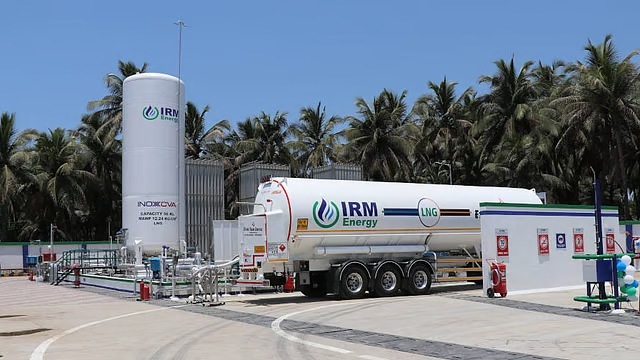
112 CNG stations, 76k PNG households, four GAs across Gujarat, Punjab, UTs, and Tamil Nadu, and ₹862 Cr capex planned. This is not a sprint. It’s a 25-year marriage with pipelines. Ready to commit?
2. Introduction
IRM Energy is what happens when patience becomes a business model. Incorporated in 2015, listed recently, and still behaving like a teenager building muscle but not yet abs.
CGD companies are simple on paper: buy gas, sell gas, lay pipelines, repeat. In reality, it’s a bureaucratic obstacle course with PNGRB permissions, state politics, gas pricing roulette, and customers who complain when gas prices move ₹1.
IRM operates in four Geographical Areas (GAs)—Banaskantha, Fatehgarh Sahib, Diu & Gir Somnath, and Namakkal–Tiruchirappalli. Each GA comes with 25-year infrastructure exclusivity and 5–8 years of marketing exclusivity.
That’s basically a government-backed moat… with a long construction period.
Promoters include Cadila Pharmaceuticals (36.5%), IRM Trust, and strategic partners like Shizuoka Gas (Japan)—so this is not some shady gas cylinder startup.
The problem? Returns are still warming up. The question? Will patience pay compounding dividends, or will this remain a low-ROE utility forever?
3. Business Model – WTF Do They Even Do?
Imagine being the middleman between global gas suppliers and your local auto-rickshaw uncle. That’s IRM Energy.
They operate a City Gas Distribution (CGD) network supplying:
- CNG for vehicles
- PNG for homes, hotels, bakeries, and factories
Revenue comes from volumes × margins × gas sourcing efficiency. Sounds easy, until you remember:
- Gas prices fluctuate
- Domestic gas allocations get cut
- Customers blame you for global LNG wars
As of Q1 FY26, volume mix was:
- CNG: 59%
- PNG: 41%
Banaskantha and Fatehgarh Sahib together contribute ~90% of volumes, which means concentration risk is real—but also execution depth is strong.
The long-term thesis is simple: once pipelines are laid and stations operational, incremental volumes cost peanuts. Early years bleed capex; later years
