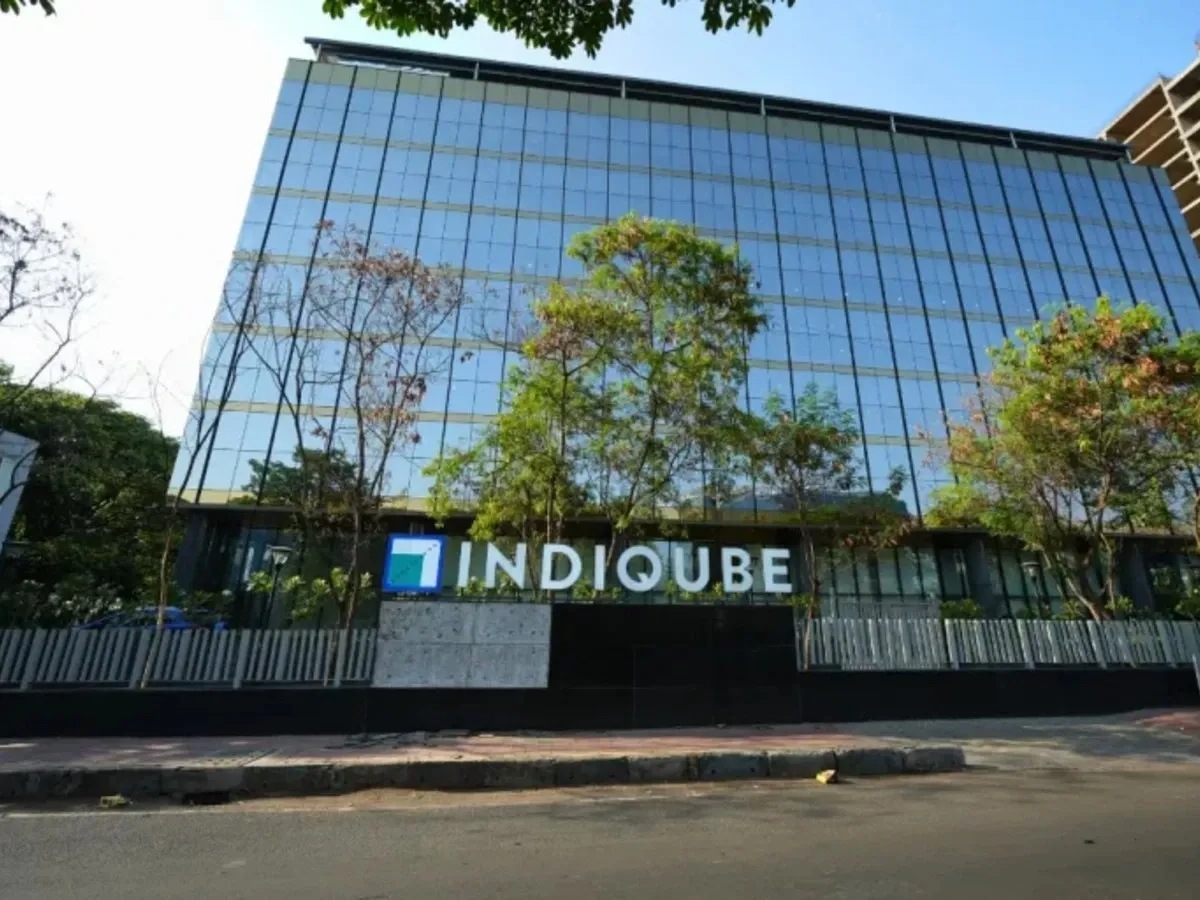
IndiQube Spaces Ltd Q1FY26–FY25: Fancy Offices, Fancier Losses, and a Debt Tower Higher than UB City
1. At a Glance
IndiQube (CMP ₹229, Market Cap ₹4,818 Cr) is Bengaluru’s answer to “WeWork… but with masala dosa in the cafeteria.” Incorporated in 2015, the company now manages 8.4M sq. ft. across 115 centres in 15 cities with an occupancy rate of 86.5%. FY25 revenues stood at ₹1,059 Cr, but instead of profit, IndiQube gifted investors a cool ₹140 Cr net loss, an ROE of -234%, and debt worth ₹4,095 Cr — that’s a debt-to-equity ratio of 23.5.
Operating margins look deceptively juicy at 58%, but depreciation and interest eat them alive. The IPO in July 2025 raised ₹700 Cr, most of which is already earmarked for expansion and debt repayment.
So yes, IndiQube is expanding fast, but right now it’s like a teenager who bought a BMW on EMI with internship money.
2. Introduction
Picture this: Bengaluru traffic jam, tech bros sipping cold brew, and in between it all, IndiQube popping up with neon-lit office buildings that say — “don’t rent a cubicle, rent a lifestyle.”
IndiQube promises flexible, tech-driven, sustainable workspaces. Unlike traditional landlords, they aren’t just renting desks. They’ll design your interiors, manage your pantry, plant trees in your lobby, and even run the employee shuttle service. It’s basically “Shaadi.com for offices” — they do everything except your salary appraisal.
The pitch to investors? Scale + stickiness. With 769 clients (Myntra, Zerodha, NoBroker, UpGrad, RedBus, MG Motor, etc.), the top client contributes just 3.5% of revenues. Diversified? Yes. Profitable? Not yet.
But the company is clearly chasing scale at all costs — transforming Grade B assets into swanky co-working hubs, slapping on tech through its MiQube app, and burning cash like a startup, all while telling investors, “don’t worry, EBITDA margin 58% hai!”
Would you trust a business model where EBITDA margin looks like Amul butter but PAT margin looks like curdled milk?
3. Business Model – WTF Do They Even Do?
IndiQube is not a boring landlord. They’re more like a Netflix for offices — pay monthly, no long-term commitment, all-inclusive.
Workspace Leasing (87.5% of revenue):
Hubs: Big centralised offices for client HQs.
Spokes: Smaller regional offices to make employees feel less like nomads.
Workspace Enhancement: Interiors, tech, green features, plug-and-play setups. (Translation: your cubicle gets an LED wall and a plant that you’ll forget to water).
Value-Added Services (12.5%): Catering, transport, plantations, facility management, even selling random office goods.
Backward Integration: Buy old properties, renovate them like an Indian “Dream Home Makeover,” and rent them out at premium rates.
Forward Integration: Deliver every workplace service possible so clients never leave.
Vertical Branding:
IndiQube Grow = plug-and-play offices
IndiQube Bespoke = customized design & build
IndiQube One = B2B/B2C add-on services
MiQube = tech integration (apps, IoT, service platforms)
IndiQube Cornerstone = take dying buildings and give them Botox
Basically, if WeWork and Prestige Estates had a baby, and that baby was raised on tech jargon and Bangalore filter coffee, you’d get IndiQube.
4. Financials Overview
Q1FY26 vs Q1FY25 vs Q4FY25
Source table
Metric
Latest Qtr (Q1FY26)
YoY Qtr (Q1FY25)
Prev Qtr (Q4FY25)
YoY %
QoQ %
Revenue (₹ Cr)
309
242
297
+27.7%
+4.0%
EBITDA (₹ Cr)
188
144
170
+30.6%
+10.6%
PAT (₹ Cr)
-36.8
-42
-31
+12.6%
-18.7%
EPS (₹)
-2.01
–
-1.48
N/A
N/A
Commentary: Revenue growth is healthy, EBITDA shines, but interest + depreciation continue to kill profits. Basically, IndiQube makes money on paper until banks come knocking.