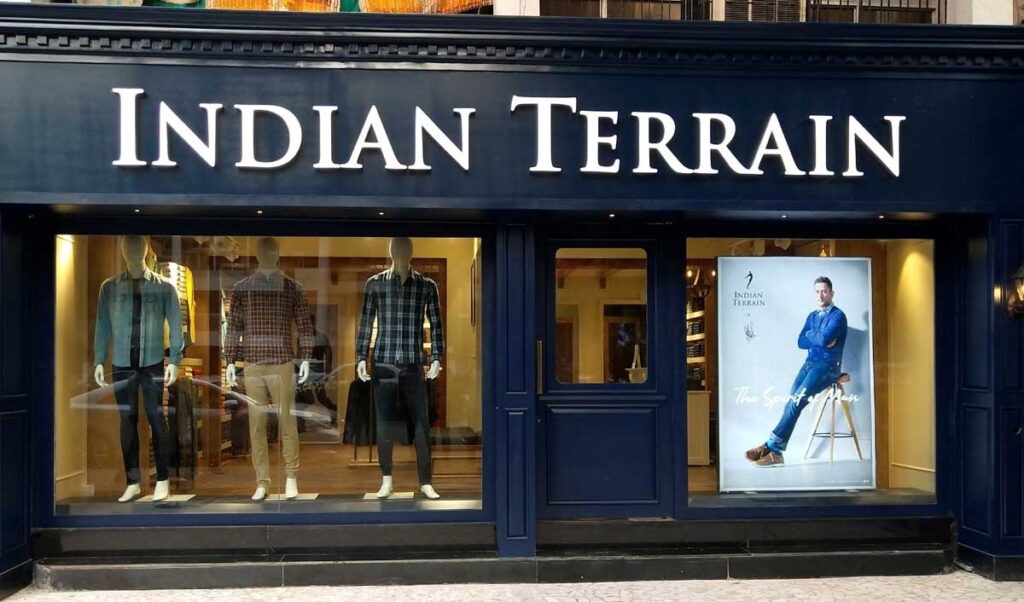
1. At a Glance – The Midlife Crisis Wardrobe Check
Indian Terrain Fashions Ltd (Indian Terrain Fashions Ltd) is a ₹185 Cr market-cap men’s apparel brand trading at ₹36.8, roughly the price of a decent roadside sandwich but with significantly more existential angst. The stock is down ~14% over one year, ~18% over three years, and basically flat over five years — which in stock market language translates to: “Thanks for your patience, please hold forever.”
Q3 FY26 finally brought some cheer. Revenue came in at ₹101.4 Cr, EBITDA at ₹12.76 Cr, and PAT at ₹2.56 Cr. Yes, that’s a positive number, not a typo. After multiple quarters of losses, Indian Terrain has remembered how profits work. Operating margin bounced back to ~11.8%, a far cry from the horror show of FY21–FY24 where margins oscillated between “meh” and “please stop.”
But don’t pop the champagne yet. ROE is still a depressing -22.7%, ROCE is -5.17%, debt stands at ₹109 Cr, interest coverage is an uncomfortable 0.78, and debtor days have ballooned to 254. In short: the patient has opened one eye, but the ICU bill is still running. Curious whether this is a genuine turnaround or just a seasonal fashion miracle?
2. Introduction – From Smart Casual to Financial Casualties
Indian Terrain was incorporated in 2000, when India’s idea of men’s fashion was “one good shirt for office, one for weddings, and one emergency shirt for relatives.” The company positioned itself as a smart-casual men’s brand — not too stiff like formals, not too YOLO like fast fashion. Think weekday office, weekend brunch, and family functions where judgment flows freely.
For a while, it worked. The brand built recall, expanded stores, and rode the India consumption wave. Then came over-expansion, channel confusion, rising costs, COVID, inventory pile-ups, weak demand, and suddenly the smart casual brand looked financially… very casual.
FY20–FY23 were particularly rough. Sales stagnated, margins collapsed, debt spiked, and ROCE went from healthy double digits to negative territory. FY21 was especially brutal with operating losses and a cash flow reality check.
Now management claims the wardrobe has been cleaned. Loss-making stores shut, bad channels exited, e-commerce trimmed, and focus shifted back to profitable regions. Q3 FY26 profitability is the first tangible evidence that something might be changing. But is this a trend or
just a lucky quarter? That’s the real question.
3. Business Model – WTF Do They Even Do?
At its core, Indian Terrain is a branded menswear retailer. Simple, right? Shirts, T-shirts, jeans, trousers, jackets, accessories, and a boys’ segment — basically everything a male wardrobe needs between ages 4 and “I still feel young.”
The brand sells through:
- Exclusive Brand Outlets (EBOs)
- Multi-Brand Outlets (MBOs)
- Large Format Outlets (LFOs)
- E-commerce platforms
- Its own webstore
As of Q4 FY25, it had 208 exclusive stores, heavily skewed toward South India (141 stores). The South is basically Indian Terrain’s emotional support region. MBOs contribute 40% of revenue, retail stores 38%, LFOs 14%, online 6%, and others 3%.
The company also reinvented its brand architecture with sub-segments like Terrain Jeans, Constructed (premium occasion wear), and Terrathlete (athleisure). Translation: “We realized men don’t dress the same everywhere.”
The challenge? Fashion retail is brutally unforgiving. Inventory mistakes hurt margins, discounting kills brand value, and rental + staff costs don’t care about your feelings. Indian Terrain’s model only works if execution is tight. Historically, it wasn’t. Now management claims it is. Are you convinced yet?
4. Financials Overview – The Table That Decides the Mood
| Metric | Latest Qtr (Dec FY26) | YoY Qtr (Dec FY25) | Prev Qtr (Sep FY25) | YoY % | QoQ % |
|---|---|---|---|---|---|
| Revenue (₹ Cr) | 101.40 | 96.88 | 100.96 | 4.67% | 0.44% |
| EBITDA (₹ Cr) | 11.97 | 5.01 | 8.51 | 139% | 40.7% |
| PAT (₹ Cr) | 2.56 | -3.44 | -0.38 | Turnaround | Turnaround |
| EPS (₹) | 0.51 | -0.75 | -0.07 | NA | NA |
Annualised EPS (Q3 rule):
Average of Q1, Q2, Q3 EPS × 4
EPS: (-1.22, -0.07, 0.51) → Avg ≈ -0.26 → Annualised ≈ -1.04
So yes, one good quarter doesn’t magically fix full-year
