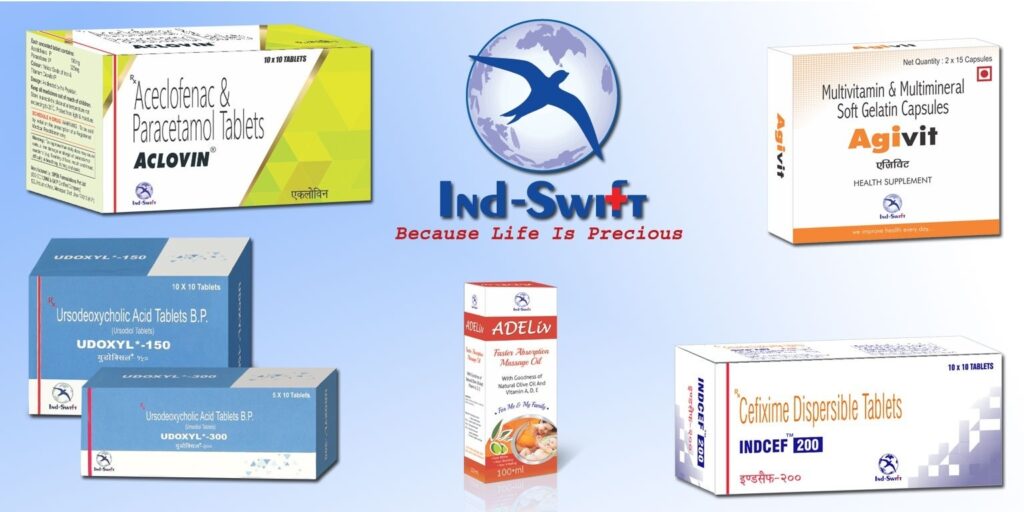
1. At a Glance – Blink and You’ll Miss the Catch
Ind-Swift Laboratories Ltd is trading at ₹113, market cap hovering around ₹926 crore, flashing a P/E of ~19.6, Price-to-Book of 0.71, and wearing a “debt-free” badge like a freshly washed white kurta. Sounds clean, right? But wait.
Latest quarterly sales came in at ₹151 crore, up 17% YoY, while Q3 PAT jumped 372% YoY. Twitter would call this a turnaround. WhatsApp forwards would call it multibagger material. Auditors would quietly cough and point at ₹275 crore of other income sitting in TTM earnings like an uninvited wedding guest who ate all the paneer.
ROCE is 0.78%, ROE is 0.18%, and operating margins are hovering near zero. This is a company that looks profitable on paper but breathless at the operating level. The real story? A massive ₹1,650 crore slump sale, debt wiped out, and a company trying to reinvent itself post-API exit.
Curious already? Good. You should be.
2. Introduction – Once a Pharma Workhorse, Now a Balance Sheet Case Study
Ind-Swift Labs used to be a serious API and CRAMS player with global regulatory approvals and macrolide dominance. Then came debt. Then came stress. Then came the nuclear option: sell the core business, kill the debt, survive another day.
The slump sale in FY24 changed everything. APIs and CRAMS – the heart, liver, and kidneys of the business – were sold off. What remains is a much smaller operating entity with cash, investments, and ambitions of moving into formulations and value-added pharma ventures via JVs.
So today’s Ind-Swift is not the Ind-Swift of FY18. Comparing the two is like comparing pre-GST kirana stores with Blinkit warehouses. Same name. Completely different economics.
The
big question: Is this a rebirth… or just a well-dressed wind-down?
3. Business Model – WTF Do They Even Do Now?
Earlier, life was simple:
- Manufacture APIs
- Export to regulated markets
- Sweat assets, earn margins, service debt
Now? Welcome to Post-Slump-Sale Ind-Swift.
Current operating structure:
- Residual API manufacturing
- R&D and process optimisation
- Impurity standards
- Formulation ambitions via JVs
- Cash & investment income doing heavy lifting
Installed capacity still stands at ~1,113 TPA, but utilisation and contribution are a shadow of the past. The company talks about forward integration, but as of now, operational EBITDA is barely positive.
In short:
👉 Earlier: Pharma manufacturer
👉 Now: Pharma holding company with a pulse
Do you value it like a manufacturer or like a special situation vehicle? That’s the first mental fork in the road.
4. Financials Overview – Let’s Put the Numbers on Trial
📊 Quarterly Comparison (₹ crore)
| Metric | Latest Qtr (Dec’25) | YoY Qtr (Dec’24) | Prev Qtr (Sep’25) | YoY % | QoQ % |
|---|---|---|---|---|---|
| Revenue | 150.85 | 128.80 | 152.64 | +17.1% | -1.2% |
| EBITDA | 4.17 | -6.65 | 1.47 | NA | +184% |
| PAT | 9.54 | -5.49 | 7.99 | +372% | +19% |
| EPS (₹) | 1.17 | -0.93 | 0.98 | NA | +19% |
Latest EPS ₹1.17 → Annualised EPS ≈ ₹4.68
Witty takeaway:
Revenue is trying. EBITDA is crawling. PAT is flying… on the wings of other income.
Question for
