01 — At a Glance
The Invisible Hand That Makes Your Maggi, Dettol, and Shoes
- Q3 FY26 Revenue₹1,000 Cr
- Q3 FY26 PAT₹36 Cr
- Q3 EPS₹3.02
- Annualised EPS (Q3×4)₹12.08
- 52-Week High / Low₹609 / ₹422
- Book Value (Sept 2025)₹87.1
- Price to Book5.34x
- Dividend Yield0.00%
- Debt / Equity0.87x
- FY27 PAT Guidance₹200–220 Cr
The Tl;dr (Too Lazy; Didn’t Read): Hindustan Foods is a contract manufacturer—a company that makes products for everyone else under their brand. HUL uses them. Bata uses them. PepsiCo uses them. They made ₹1,000 crore revenue in Q3 (highest ever quarterly EBITDA), earned ₹36 crore profit, and now want to do ₹200–220 crore in FY27. Stock trades at 40.8x P/E because investors are betting on exactly this scale-up. No dividend. No fancy brand. Just factories, contracts, and compounding growth.
02 — Introduction
The Khiladi of Contract Manufacturing (No One Knows Their Name)
Imagine a company that’s been operating for decades, manufacturing products that you’ve consumed thousands of times—and you’ve never heard of their name. That’s Hindustan Foods. Your snacks were made here. Your home care products? Same factory. Your shoes? Possibly their production line. Your ice cream? Their facility. They’re the guy behind the guy behind the brand you trust.
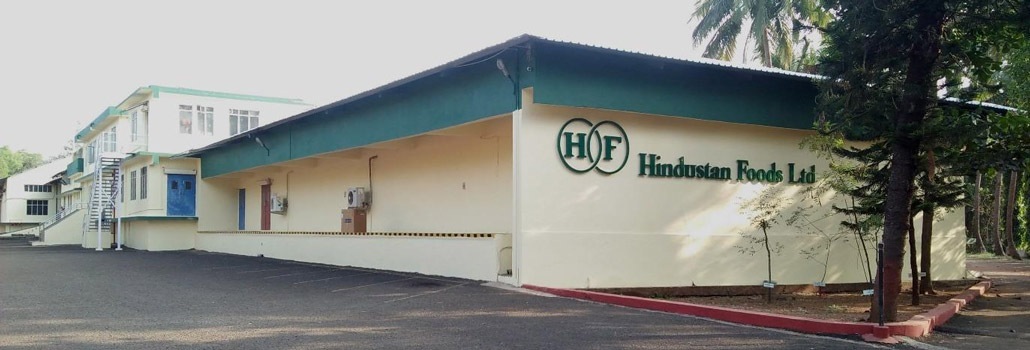
Founded (in modern avatar) in 2013, after being acquired by the Kothari family through Vanity Case India, HFL pivoted from being a loss-making single-brand manufacturer (Farex nutritional food) to becoming India’s most diversified contract manufacturer. They operate 28 manufacturing units spread across the country: Goa (snacks), Coimbatore (tea/coffee), Hyderabad (home care), Lucknow (ice cream), Nashik (ice cream), Mysuru (beverages), Chennai (shoes), Baddi (pharma/OTC). You name the category, they probably have a plant for it.
The business model is straightforward: customers (HUL, PepsiCo, Bata, Godrej, Reckitt, Dabur—basically every FMCG god you worship) come to HFL and say “make our product.” HFL either sets up a greenfield facility or acquires an existing one, signs a long-term contract with guaranteed fixed returns, and collects fees every month. This 85% of their revenue comes from “dedicated manufacturing”—your customer commits, HFL builds, and the revenue is basically guaranteed. The remaining 15% comes from “shared facilities” where they make stuff for multiple customers at one plant, or private label (where HFL owns the formula and sells under their own brands like Bonny Mix, Cnergy, Unorthodox). The margins? 8–9% EBITDA. Not fancy. But stable. And growing hard.
Concall Insight (Feb 2026): “Our ROCE on a 19% basis… highest ever quarterly EBITDA” — Management on Q3 FY26. They literally used the phrase “record quarter” three times in five minutes. Stock market didn’t care because everyone was fixated on the P/E ratio. Classic.
03 — Business Model: WTF Do They Even Do?
You Order The Cake. They Bake It. Everyone Wins.
Contract manufacturing is the unsexy cousin of private equity. No brand. No customer loyalty. No moat (except for execution excellence and reliability). Just factories and contracts. HFL’s business is structured across three models.
Model 1: Dedicated Manufacturing (85% of revenue). A customer like HUL walks in and says “We need a facility to make Vim dish wash.” HFL either builds a greenfield plant or acquires an existing facility from someone like Smith & Nephew (which actually happened at Nashik). The customer signs a 5–10 year contract with guaranteed fixed returns (covering capex + debt servicing) plus variable charges per unit. If HUL doesn’t take the full volume? Doesn’t matter. HFL still gets paid the fixed amount. The risk is completely transferred to the manufacturer. This is why HFL’s business is stable—they’re literally getting paid to not make mistakes.
Model 2: Shared Manufacturing (part of 15%). At Goa, HFL runs a plant where PepsiCo, Danone, and Marico all manufacture. Different customers, one facility. Margins are higher (~12–14% EBITDA) because HFL bears more operational risk. But the contracts are shorter (not 10 years).
Model 3: Private Label Manufacturing (part of 15%). HFL owns the formula, manufactures the product, owns the brand. Brands like Bonny Mix (porridge), Cnergy (cereal), Unorthodox (shoes). This is highest margin (~20–25% EBITDA), but smallest scale. They’re trying to grow this.
Dedicated Model85%Of Revenue
Shared Model~7%Growing Fast
Private Label~8%Highest Margin
The client roster reads like an FMCG Avengers: HUL (the single largest customer), Bata India (footwear), PepsiCo, Reckitt Benckiser, Godrej Consumer, Tata Consumer, Dabur, Danone, Marico, Hector Beverages. New names keep getting added. The company just onboarded Walko Foods for ice cream at Nashik, Hindustan Coca-Cola Beverages for a new facility in Odisha, Puma and Skechers for shoes. Each new customer = new capex. Each new capex = more guaranteed revenue. The math compounds.
💬 Quick thought: Would you invest in a company that makes everyone else’s products? Or does the lack of brand scare you? Drop your view!
04 — Financials Overview
Q3 FY26: The Numbers That Made Management Giddy
Result type: Quarterly Results | Q3 FY26 EPS: ₹3.02 | Annualised EPS (Q3×4): ₹12.08 | Full-year FY25 EPS: ₹9.33
| Metric (₹ Cr) |
Q3 FY26
Dec 2025 |
Q3 FY25
Dec 2024 |
Q2 FY26
Sep 2025 |
YoY % |
QoQ % |
| Revenue | 1,000 | 883 | 1,039 | +13.3% | -3.8% |
| Operating Profit (EBITDA) | 93 | 79 | 86 | +17.7% | +8.1% |
| OPM % | 9.3% | 8.9% | 8.3% | +40 bps | +100 bps |
| PAT | 36 | 29 | 35 | +26.2% | +2.9% |
| EPS (₹) | 3.02 | 2.44 | 2.95 | +23.8% | +2.4% |
The Math Decoded: Q3 revenue hit ₹1,000 crore—the highest quarterly number in company history. QoQ it dipped 3.8% because Q2 was seasonally strong (ice cream season setup, back-to-school), but YoY it’s a solid +13.3%. EBITDA margin expanded to 9.3% (vs. 8.9% last year, 8.3% last quarter). The Concall revealed this is “highest ever quarterly EBITDA”—the company literally clapped for itself. PAT grew 26.2% YoY to ₹36 crore, but this includes a one-time Labour Code benefit. Adjusting for that, the core growth is still north of 20%. Annualised EPS: ₹12.08 (Q3 ₹3.02 × 4).
05 — Valuation Discussion
Is 40x P/E Reasonable for Contract Manufacturing?