1. At a Glance – Cement With German Accent, Indian Mood Swings
HeidelbergCement India Ltd is that quiet kid in the cement classroom who doesn’t shout like UltraTech, doesn’t do yoga like Dalmia, and doesn’t party like Adani—but still shows up with a fat dividend cheque. Market cap sits around ₹3,946 crore, stock price hovering near ₹174, and if you bought this six months ago, congratulations—you’re emotionally stronger now because the stock is down ~18%.
Latest quarterly numbers? Sales of ₹574 crore, PAT of ₹18.4 crore, and profit growth that looks like it drank Red Bull—255% YoY. Before you celebrate, remember last year’s base was basically lying on a stretcher. ROCE at 11.4%, ROE at 7.48%, P/E at 27.8x, and book value multiple at 3x—which means the market thinks this cement bag has a premium wrapper, even if the cement inside feels… regular.
Dividend yield at 4%+ is the real attention-grabber here. Heidelberg doesn’t promise growth stories at investor meets; it just silently sends cash. Debt is practically gone (₹76.8 crore), working capital is negative (as it should be in cement), and cash balance is chunky. This is not a “multibagger by Diwali” stock. This is a “beta kam hai, BP bhi kam rakhta hai” stock.
So the real question: is Heidelberg India a boring compounder pretending to be dull, or a dull stock pretending to be premium? Let’s dig.
2. Introduction – A German Cement Company That Refuses to Act German
HeidelbergCement India is the Indian arm of the Heidelberg Materials group (formerly HeidelbergCement), one of the largest global building materials companies. Internationally, the group is #2 in cement, #1 in aggregates, #3 in ready-mix concrete. Basically, if concrete had a World Cup, Heidelberg would always make semis.
In India, though, the energy is very different. Operations are concentrated in Central India (Damoh – MP, Jhansi – UP) and South India (Ammasandra – Karnataka). No pan-India chest-thumping. No 100-million-ton dreams. Just focused regional play, selling cement under MyCem and MyCem Power brands.
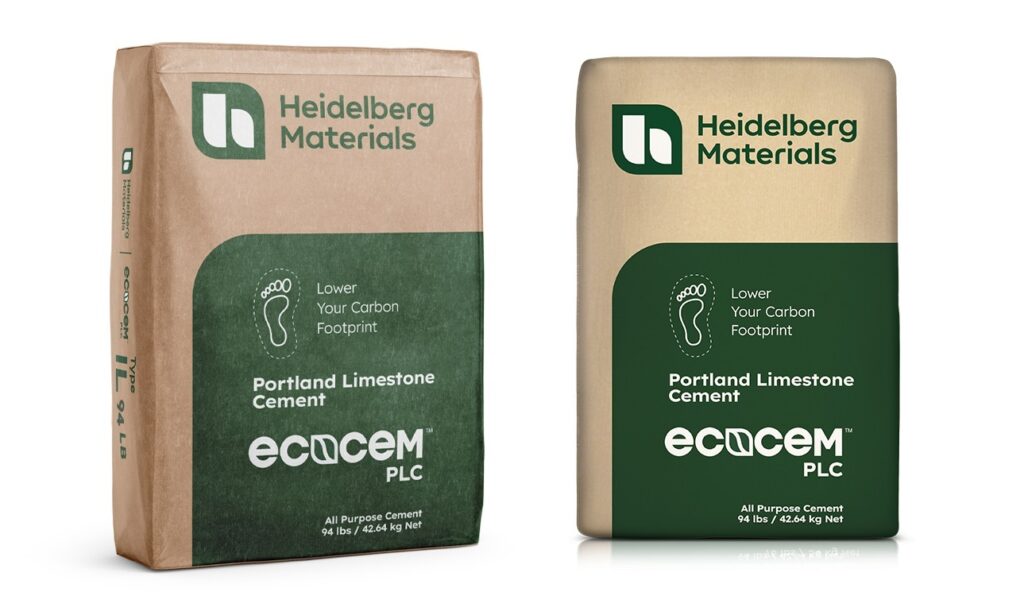
The company produces 100% blended cement, which helps margins and ESG brownie points. CO₂ footprint is 504 kg per tonne of cement, relatively efficient by Indian standards. Green power generation grew 33% in FY23, alternate fuel usage is at 6%, and limestone mining is captive with conveyor belts instead of truck drama.
But despite all this “responsible corporate citizen” behavior, the stock has been… lazy. Five-year sales CAGR is basically zero, profit growth over five years is
negative, and ROE has slid from double digits to single-digit embarrassment. The market keeps asking: “Boss, global parent toh strong hai, but India mein kya plan hai?”
And Heidelberg’s answer so far has been: “Dividend le lo. Chill karo.”
Is that enough in today’s valuation-hungry market? Or is something finally changing? Let’s see what they actually do.
3. Business Model – WTF Do They Even Do?
At its core, HeidelbergCement India does one thing: grinding and selling cement. No fancy adjacency, no real estate pivot, no infra EPC temptation. Pure cement, mostly blended, sold regionally.
Key features of the business model:
- 100% blended cement: Lower clinker factor, better margins, lower emissions.
- Regional dominance: Strong presence in MP, UP, and Karnataka.
- Captive limestone mines at Patheria (MP), with a 21 km conveyor belt—translation: lower logistics cost and fewer truck union headaches.
- Green power generation: Wind and renewable sources, now a meaningful contributor.
- Negative working capital: Dealers pay fast, suppliers wait longer. Cement CFOs love this.
Capacity utilization is around 75%. The company added 1.05 MTPA capacity in FY20, which was fully absorbed by FY21. Total cement capacity is stated at ~30 million tonnes, though Indian operations are much smaller and region-focused.
This is not a volume monster. Heidelberg India doesn’t chase pan-India market share. It focuses on pricing discipline, cost control, and steady cash generation. Think of it as the CA uncle of cement companies—never flashy, always on time with dividends.
But here’s the catch: in a cyclical, capex-heavy industry like cement, lack of ambition can be as risky as over-ambition. Which brings us to the numbers.
4. Financials Overview – Numbers That
