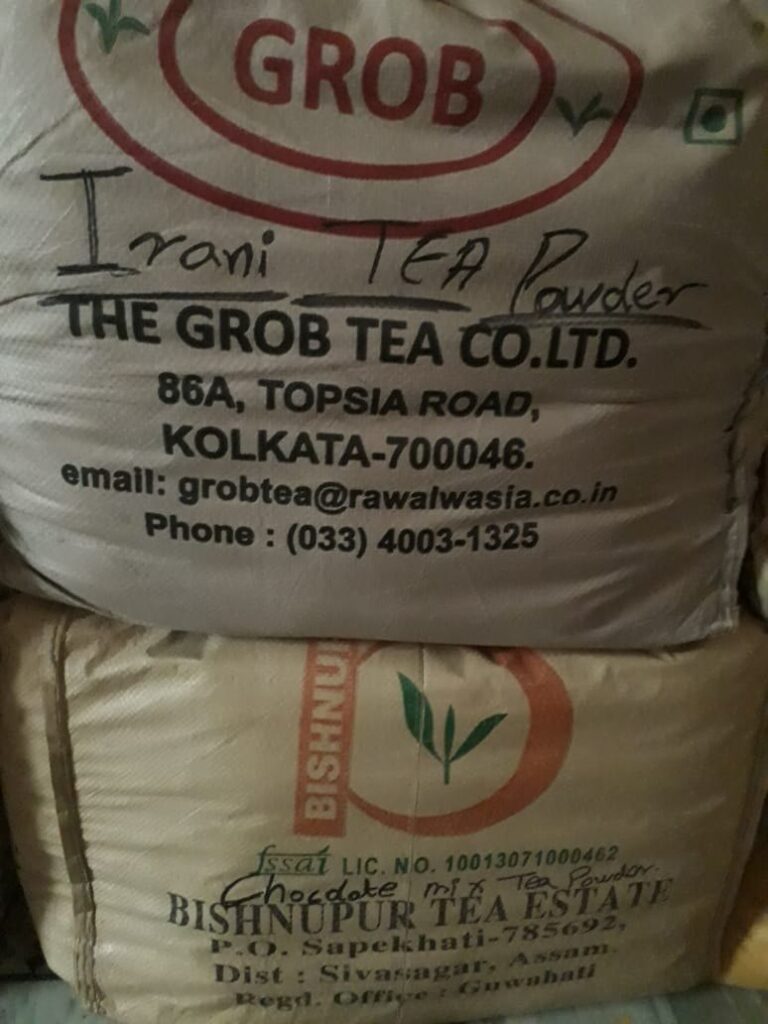
1. At a Glance – The Old Tea Planter Who Discovered Capital Markets
If Victorian-era tea planters had a Demat account, Grob Tea Co Ltd would be their favourite stock to confuse grandchildren. Founded in 1895, this Assam-based tea grower is now juggling six tea gardens, a mysterious LED business that refuses to sell anything, and a board that casually asks shareholders for permission to borrow ₹250 crore while sitting on a ₹116 crore market cap. The stock is currently hovering around ₹1,001, nursing a –5.8% return over 3 months and a –21% return over 1 year, reminding everyone that heritage doesn’t guarantee shareholder happiness.
Latest quarterly numbers show ₹39 crore in sales and ₹16.3 crore PAT, which looks impressive until you realise the previous quarter made shareholders cry and the annual P&L still shows a TTM loss of ₹0.83 crore. With ROCE at 12.7%, ROE at 11.2%, and a debt-to-equity of just 0.14, Grob Tea looks financially sober, emotionally volatile, and strategically unpredictable. This is not a boring tea company. This is a 130-year-old soap opera served hot.
2. Introduction – A Cup of Tea with a Side of Corporate Drama
Grob Tea is what happens when a colonial-era plantation survives independence, liberalisation, SEBI regulations, and still decides to experiment with LEDs. For most of its life, the company has done one thing—grow and sell CTC black tea in Assam. Auctions, private sales, seasonal volatility, labour issues, weather tantrums—classic tea business headaches.
Then in FY19, someone in the boardroom said, “Why not LEDs?” and invested ₹13.83 crore in stocks, advances, and receivables for LED trading. Since then, no meaningful LED revenue has shown up, but the balance sheet still remembers that decision like a bad ex.
Financially, Grob Tea oscillates between years of calm profits and quarters that look like the tea leaves predicted doom. FY25 showed ₹118.5 crore revenue and ₹10.06 crore PAT, but TTM numbers are
back in red thanks to weak operating margins and volatile quarterly performance.
So the big question is: is Grob Tea a cyclical plantation business doing its best, or a capital allocator with ADHD? And why does a ₹116 crore company want permission to borrow ₹250 crore? Let’s dig.
3. Business Model – WTF Do They Even Do?
At its core, Grob Tea is a tea plantation and manufacturing company. It owns six tea estates spread across Upper Assam and Cachar, covering 5,676 hectares, of which 46% is under tea cultivation. The company produces CTC black tea, selling it through auctions and private contracts in the domestic market.
Tea production is brutally seasonal. Weather decides yields, auction prices decide margins, and labour costs decide blood pressure. In FY22, production dipped to 43.51 lakh kg due to bad weather, but average realisation improved to ₹236 per kg from ₹213 per kg in FY21. That’s tea economics in one sentence: volumes sulk, prices flirt.
Then comes the LED business—supply, installation, and maintenance of LED lights for government entities. Sounds great on paper. In reality, it has generated negligible revenue for years, while the capital invested sits quietly on the balance sheet, judging everyone.
So Grob Tea earns money mostly from tea, occasionally from other income, and emotionally from
