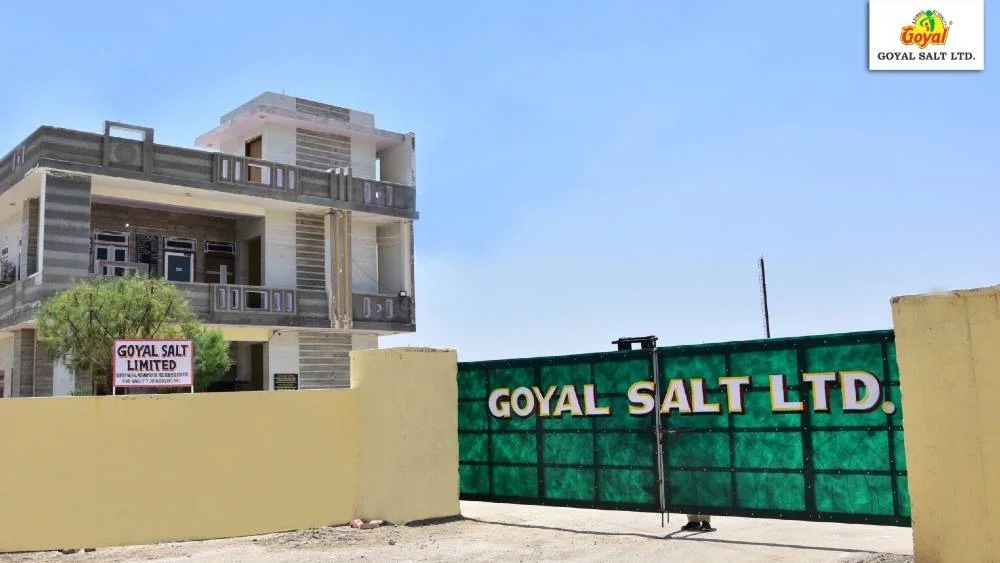
At a Glance
Goyal Salt Limited (GSL) is currently walking a tightrope between explosive growth and the heavy burden of ambitious capital expenditure. This isn’t just about common salt; it is about a company trying to transform itself from a regional B2B player in Rajasthan to a national B2C retail powerhouse. The latest numbers for FY26 are out, and they paint a picture of a business hitting the gas pedal while the financial framework starts to show signs of stress.
Revenue is surging, reaching ₹200 crore for the full year, a significant jump from ₹130 crore in FY25. On the surface, this looks like a victory lap for a small-cap player. However, a deeper look reveals that the Net Profit has actually contracted to ₹11.35 crore compared to ₹13.25 crore last year. Investors are seeing a classic case of top-line growth at the cost of bottom-line efficiency.
The most glaring red flag is the debt. Borrowings have ballooned to ₹44.4 crore, a massive spike from just ₹14.4 crore a year ago. This debt is fueling the Gandhidham plant expansion and the foray into the retail market with celebrity endorsements. But in the world of salt, where margins are razor-thin and climatic conditions are unpredictable, such aggressive leverage can be a double-edged sword.
- Revenue Growth: 53.7% YoY increase.
- Profit Contraction: PAT dropped by over 14% despite the sales surge.
- Debt Spike: Borrowings increased by over 200% in a single year.
- Operating Margins: Rising expenses in logistics and raw material procurement are squeezing the juice out of operations.
Is this a strategic pivot that will pay off once the Gujarat refinery hits full utilization, or is the company biting off more than it can chew?
Introduction
Goyal Salt Limited is not a new name in the industrial corridors of Rajasthan. Incorporated in 2010, the company has spent over a decade refining raw salt from sub-soil brine. However, the last two years have been a whirlwind of activity—an IPO, a massive capacity expansion, and now a move into the high-decibel retail segment.
The company operates in a sector that most investors ignore because it lacks the “glamour” of tech or pharmaceuticals. But salt is the backbone of the chemical, textile, and food industries. GSL has historically focused on the industrial side, but the “real money” in the eyes of the management lies in the 1kg packets sitting on kitchen shelves across India.
With the inauguration of the Gandhidham plant in Gujarat, GSL has effectively doubled its production capacity. This move is designed to capture the western and eastern markets, moving away from its traditional stronghold in the North. But expansion