1. At a Glance – Tel Ka Business, Par Numbers Full Fry
Gokul Agro Resources Ltd is what happens when volume says “bhai main hoon” and margins quietly whisper “bas itna hi milega.” With a market cap of ₹4,766 Cr, CMP around ₹161, and FY25 TTM sales touching a chunky ₹23,339 Cr, this is a classic high-volume, low-margin FMCG–agri hybrid. ROCE at 34.2% and ROE at 27% look like topper material, while operating margins of ~2.6% remind you this is edible oil, not artisanal kombucha.
Latest quarterly sales clocked ₹6,314 Cr with 26.6% YoY growth, but PAT growth stayed modest at 7.2% YoY—because raw material prices don’t care about your dreams. Debt stands at ₹586 Cr, up sharply from FY22 due to refinery expansions. Promoters hold a comfortable 74.2%, pledging 13.7% of their stake.
Stock P/E at ~15.9x looks reasonable versus peers, EV/EBITDA at ~7.5x is not screaming expensive, and Price-to-Sales at 0.2x tells you exactly what kind of business this is. Question is: can scale + new plants + biodiesel + solar finally fatten margins, or will this remain a “truckloads of oil, teaspoons of profit” story?
2. Introduction – Welcome to the Tel Refinery Olympics
If India ran an Olympics for edible oil refiners, Gokul Agro would show up with more factories than excuses. From Gandhidham to Haldia to Krishnapatnam, this company has been on a refinery shopping spree. FY24 revenue jumped 29% YoY, volumes jumped 50%, and yet EBITDA margins stayed stuck near 2%. Classic edible oil physics: scale expands faster than profits.
The business runs on tight working capital cycles, port adjacency, and sheer throughput. You don’t win by charging premium prices; you win by moving massive
quantities faster than your competitor blinks. That’s why Gokul’s location near Kandla Port and its liquid storage capacity of 60,000 MT matter more than glossy branding ads.
But here’s the spicy bit: management is not stopping at edible oils. Biodiesel, renewable energy, overseas sourcing in Indonesia/Malaysia, and aggressive B2C expansion suggest ambition beyond plain vanilla refining. The balance sheet is stretched, but not broken. The question investors must ask: is this expansion a well-planned thali, or too many dishes on one plate?
3. Business Model – WTF Do They Even Do?
In simple terms: Gokul buys oilseeds and crude oils, refines them, sells edible oils, throws in vanaspati, and squeezes value from by-products.
Segment Mix FY24
- Edible Oils & By-products – ~90%
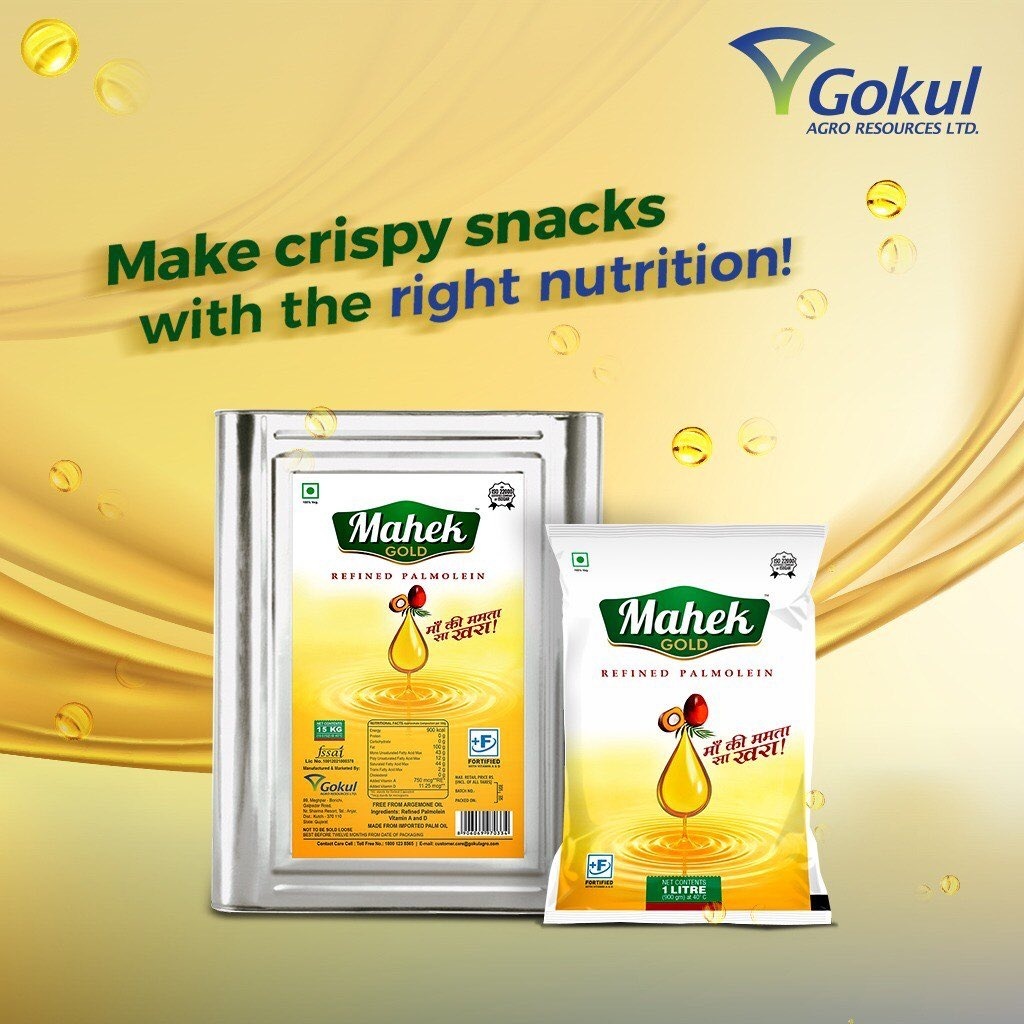
Soybean, sunflower, mustard, groundnut, cottonseed, palm oil, vanaspati ghee. Brands like Vitalife, Mahek, Zaika, Richfield, Puff Pride. This is bread-and-butter—and also biscuit-and-bakery-shortening—business. - Non-Edible Oils & By-products – ~10%
Castor oil derivatives like ricinoleic acid and hydrogenated castor oil—used in industrial applications.
Clients include Parle, ITC, Britannia, Balaji Wafers, etc. Top 5 clients contribute 20–25% revenue—concentration risk, but also validation. Distribution spans 700+ dealers across 20 states.
The model thrives on:
- Proximity
