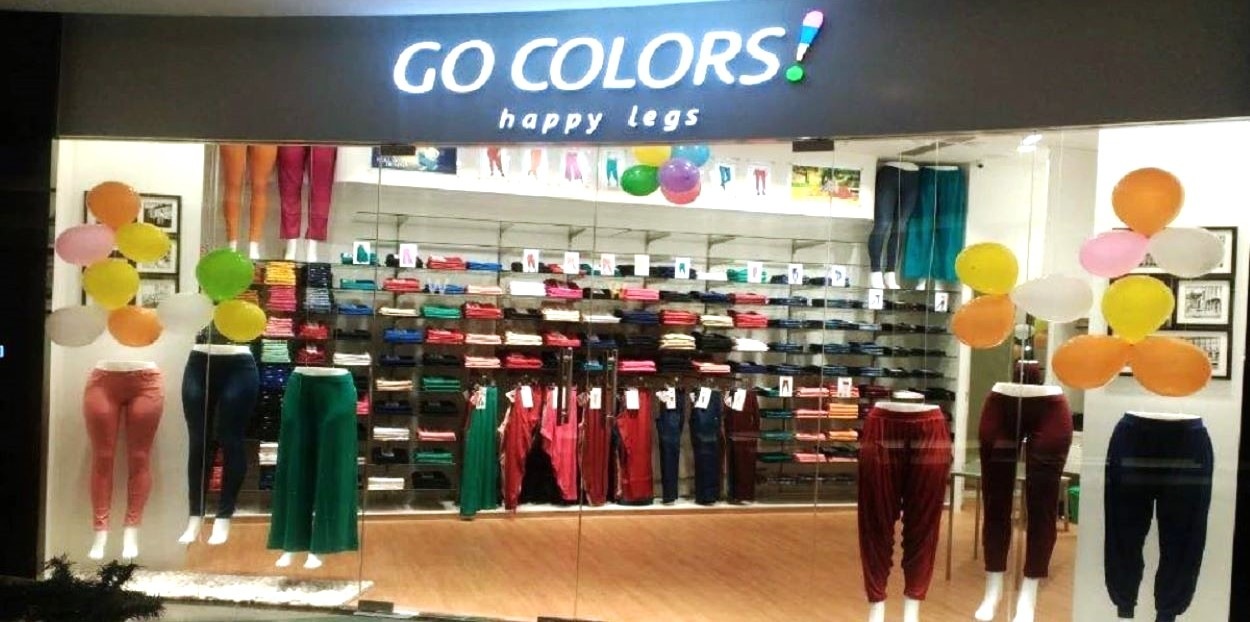
Go Fashion (India) Ltd Q3 FY26 – Revenue ₹195 Cr, PAT collapses 70%, Buyback ₹65 Cr: Fashion Icon or Wardrobe Malfunction?
1. At a Glance – When Leggings Slip, Markets Notice
Go Fashion (India) Ltd, aka Go Colors, is having one of those quarters where the mirror doesn’t lie and the stock market definitely doesn’t forgive. The company that once strutted confidently as India’s leggings queen is now walking the ramp with a noticeable limp.
Market cap stands at ₹2,112 crore, stock price hovering around ₹390, down nearly 55% in one year and ~40% in three months. Q3 FY26 revenue came in at ₹194.9 crore, down 9.2% YoY, while PAT collapsed a jaw-dropping 70.5% YoY to ₹7.17 crore. That’s not a seasonal dip — that’s a wardrobe tear mid-fashion show.
Despite a strong OPM of 26.7%, the company is bleeding at the bottom line due to rising interest costs, depreciation, and inventory heaviness. Debt is now ₹535 crore, promoter pledge sits at a chunky 24.2%, and ROCE has slipped to 15.1% — decent, but nowhere near “premium apparel darling” territory.
Then comes the plot twist: a ₹64.99 crore buyback at ₹460, when the stock trades far below that. Is this confidence… or cosmetic surgery?
So the big question: Is this a temporary fashion miss, or has Go Colors lost its color palette?
Let’s open the closet.
2. Introduction – From Category Killer to Category Confusion
Once upon a bull market, Go Fashion was sold as a rare Indian apparel story — focused, scalable, high-margin, women-centric, asset-light, franchise-driven. Investors loved it. Mutual funds piled in. Valuations went sky-high.
Fast forward to FY26, and reality is doing what tight leggings eventually do — expose pressure points.
The company still dominates the branded women’s bottom-wear space with an ~8% market share, but the growth narrative has slowed dramatically. Same-store growth is tepid, inventory cycles are stretching, and new store productivity is under pressure.
Meanwhile, fashion is a brutal business. Trends change faster than quarterly earnings calls, and Go Fashion’s heavy reliance on EBO-led offline expansion is starting to look less “moat” and more “fixed cost headache”.
Add macro stress, discretionary spending slowdown, and rising financing costs — and suddenly, the once “clean compounding story” looks… complicated.
But before we declare a fashion disaster, let’s understand what this company actually does — beyond selling 120 shades of leggings.
3. Business Model – WTF Do They Even Do? (In Simple Hindi-English)
Go Fashion does one thing — and does it at scale.
They sell women’s bottom-wear. Not kurtas. Not tops. Not footwear. Just bottoms. Everywhere. In every color. For every age.
Think of them as the Asian Paints of leggings, minus the pricing power — and with inventory risk.
How the machine works:
Designs are in-house
Manufacturing is outsourced (135 suppliers, 65 job-workers)
Sales are driven primarily via Exclusive Brand Outlets (EBOs)
Stores are franchise-heavy, reducing capex burden
Average store size: 400–600 sq ft
Average store payback: 15–18 months
Sounds brilliant, right?
Yes — until:
Inventory days cross 330+ days
Store additions slow productivity
Fashion cycles misfire
Interest costs start eating EBITDA
The model works only when volumes grow smoothly. Any hiccup, and the operating leverage turns into operating stress.
And in Q3 FY26, the hiccup was loud.
4. Financials Overview – Numbers Don’t Lie, They Roast