1. At a Glance – Blink and You’ll Miss the Margin Compression
Garware Hi-Tech Films Ltd (formerly Garware Polyester, because rebranding is cheaper than capex sometimes) is currently sitting at a market cap of ₹6,999 Cr with a stock price of ₹3,013. The last 3 months return is a painful -11.7%, and 1-year return is -17% — so yes, the stock has been emotionally testing even for long-term loyalists.
Q3 FY26 numbers just dropped: consolidated revenue came in at ₹458.7 Cr, down 1.64% QoQ, while PAT declined 8.29% QoQ to ₹55.8 Cr. EBITDA margin cooled off to 15%, a sharp comedown from the 22–25% dream management presentations love to flaunt.
Despite this short-term sulk, the company is still nearly debt-free (₹18.4 Cr debt), boasts a ROCE of 20.6%, and trades at a P/E of ~22.7, roughly in line with the industry. Specialty films still dominate the revenue mix, exports still rule the geography, and the balance sheet still looks like it drinks green juice.
But the big question: Is this a temporary margin hangover or the start of normalization after peak specialty hype? Let’s investigate like a financial CID officer with Excel instead of a danda.
2. Introduction – From Chip-to-Film to Chill-to-Film
Garware Hi-Tech Films isn’t your typical “plastic bana diya, bech diya” operation. This is a globally unique, vertically integrated chip-to-film manufacturer, meaning they control everything from polyester chips to high-margin specialty films. Sounds sexy. It usually is.
Over the last few years, Garware quietly executed one of the cleanest business pivots in Indian manufacturing — shifting away from commodity polyester films toward value-added specialty films like solar control window films, paint protection films (PPF), safety films, and shrink films.
The result? Value-added products jumped from 76% of revenue in FY22 to 88% by Q2 FY25, margins expanded, ROCE climbed, and investors started using words like “moat” and “pricing power” in Twitter threads.
But FY26 has been a reality check. Commodity film spreads softened globally, specialty growth moderated, and margins started behaving like
a disciplined CA instead of a crypto influencer.
So, is Garware still a compounding machine, or has it entered the boring-but-respectable phase? Let’s open the forensic file.
3. Business Model – WTF Do They Even Do?
Imagine if Reliance controlled oil, refining, plastics, packaging, and branding, but on a much smaller and calmer scale. That’s Garware.
They manufacture polyester chips, convert them into polyester films, and further upgrade them into high-margin specialty applications. The business is divided into two main verticals:
Consumer Products Division (71% of Q2 FY25 revenue):
This is the cool kid. Products include:
- Automotive solar control window films
- Architectural window films
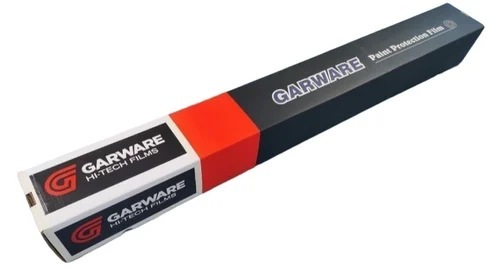
- Paint Protection Films (PPF)
- Safety & security films
These are sold under brands like SunControl Window Films and Global Window Films, and distributed via 160+ Garware Application Studios, 700+ OEM dealerships, and 5,000 global tinters.
Industrial Products Division (29% of Q2 FY25 revenue):
This is the dependable but less glamorous cousin:
- Shrink films (70% market share in India)
- Electrical insulation films
- Release liners
- Thermal lamination & packaging films
The magic sauce? Backward integration. Garware is the only global company fully integrated for solar control window films, meaning raw material volatility hurts competitors more than it hurts them.
Now ask yourself — how many Indian companies sell films that go on Ferraris and skyscrapers? Exactly.
4. Financials Overview
