1. At a Glance – The Quiet Kid Who Suddenly Topped the Class
Force Motors is that student who sat on the last bench for decades, never raised a hand, and suddenly topped the board exams while everyone else was busy arguing about EVs. At a market cap of ₹27,777 Cr, a current price of ₹21,074, and a 211% one-year return, this stock didn’t just wake up — it kicked the door down.
Q3 FY26 numbers? Revenue ₹2,129 Cr, PAT ₹406 Cr, EPS ₹308, and profit growth of 121% YoY. ROCE is flirting with 30%, debt is literally ₹0, interest coverage is a meme-worthy 155x, and operating margins are flexing at 18%.
And yet, Force Motors still doesn’t scream for attention. No flashy ads. No conference call theatrics. Just buses, vans, engines, defence orders, and a balance sheet that looks like it drinks green juice at 5 AM.
Is this a cyclical auto play? A defence supplier? An engine OEM hiding behind a CV badge? Or just the most misunderstood wealth compounder in Indian auto history? Let’s tear this bonnet open.
2. Introduction – Bajaj Tempo Grew Up and Chose Violence (Financially)
Founded in 1958 and formerly known as Bajaj Tempo, Force Motors has lived multiple lives. It’s built tempos, vans, tractors, engines, axles, school buses, ambulances, defence vehicles, and probably half the government transport you’ve sat in without realising.
While the rest of the auto world chased passenger cars, EV buzzwords, and influencer launches, Force Motors quietly embedded itself into critical mobility infrastructure — logistics, defence, emergency services, exports, and high-spec engine manufacturing.
This isn’t a brand business. This is an industrial execution business.
Over the last three years, Force Motors has gone from:
- ROCE of -3% (FY22)
to - ROCE of 30% (FY25)
That’s not a recovery. That’s a full personality transformation.
The kicker? Nearly ₹710 Cr of other income in TTM, largely incentives and non-operating gains, which
the market keeps side-eyeing. But even after adjusting for drama, core operations are firing on all cylinders.
Question for you: how many Indian auto companies can kill debt, expand margins, fund ₹1,500–1,700 Cr capex, and still sleep peacefully?
3. Business Model – WTF Do They Even Do?
Force Motors doesn’t sell “dreams”. It sells machines that work.
🚐 Vehicles (≈48% of revenue)
- Traveller vans
- Urbania mono-buses (33 & 41 seater — monocoque, premium segment)
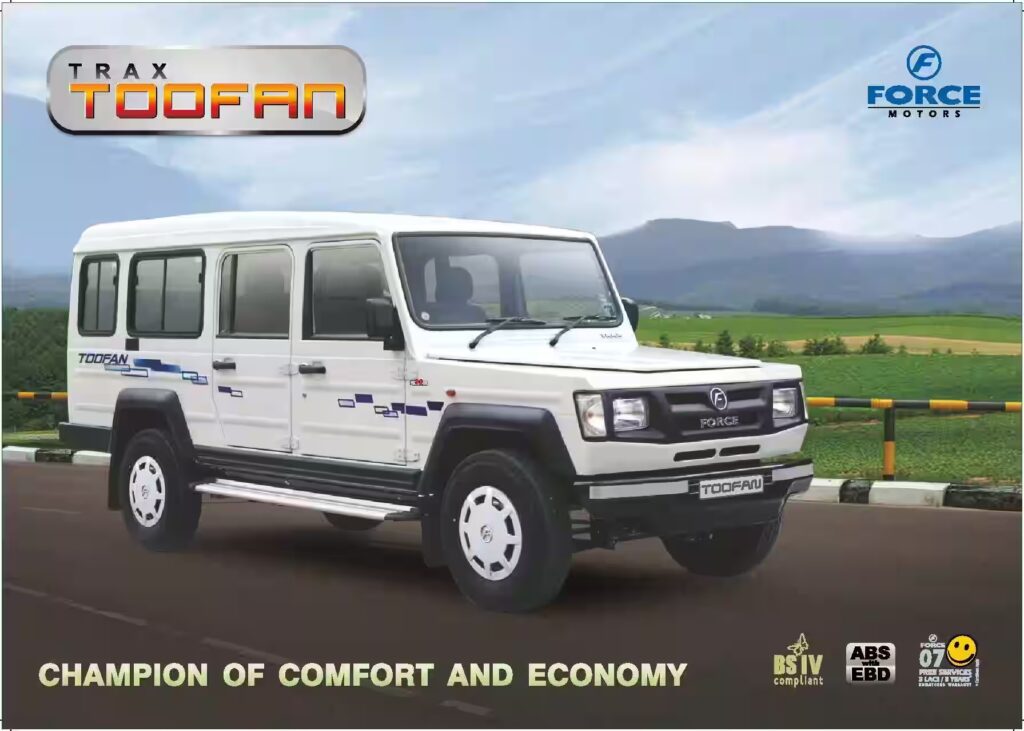
- Gurkha (yes, that cult off-roader)
- School buses, ambulances, defence vehicles
They dominate ~70% market share in school buses and ambulances. Not sexy, but extremely sticky.
⚙️ Engines & Axles (≈36%)
This is where the real flex is.
Force Motors manufactures engines and axles for:
- Mercedes-Benz India
- BMW India
Till date:
- 150,000+ engines & 140,000+ axles for Mercedes
- 70,000+ engines for BMW
This is not vendor work. This is global OEM-grade precision manufacturing.
🧩 Others
- Parts & accessories (7%)
- Tractors (3%) — now discontinued as of March 2024
- Finance arm (Tempo Finance – West)
- JV with MTU for engines & gensets
They’ve consciously exited low-return segments (tractors) and doubled down on high-margin, export-grade manufacturing.
Simple question: how many “auto” companies have BMW and defence orders on the same invoice book?
4. Financials Overview – The Quarter That Made Twitter Shut Up
📊 Q3 FY26 Comparison Table (₹ Cr)
| Metric | Latest Qtr (Dec’25) | YoY Qtr (Dec’24) | Prev Qtr (Sep’25) | YoY % | QoQ % |
|---|---|---|---|---|---|
| Revenue | 2,129 | 1,889 | 2,081 | 12.7% | 2.3% |
| EBITDA | 374 | 232 | 363 | 61.2% | 3.0% |
| PAT | 406 | 115 | 351 | 253% | 15.7% |
| EPS (₹) | 308 | 87.5 | 266 | 252% | 15.8% |
