Force Motors Q2 FY26 – ₹2,081 Cr Sales, ₹351 Cr PAT, and the “Van That Ate the Market” Moment
1. At a Glance
Force Motors Ltd — once Bajaj Tempo, now a ₹23,973 crore beast — just reported a quarter so smooth, even Mercedes would clap politely. With Q2 FY26 consolidated revenue of ₹2,081 crore and a net profit of ₹351 crore, this Pune-based manufacturer of Travellers, Gurkhas, and (formerly) tractors is rolling faster than a school bus late on Monday morning.
The company’s profit jumped 160% YoY, because apparently, Force decided to stop crawling and start sprinting. Its stock, trading around ₹18,194 (as of 7 Nov 2025), carries a P/E of 29.2, a ROE of 20.8%, and ROCE of 30%. You read that right — 30% ROCE for a company that once made vehicles for farmers who didn’t even believe in depreciation.
Sales growth for the last three years is 36% CAGR, profit growth is 100% CAGR, and debt? Just ₹17 crore — practically lunch money. The last time Force was this debt-free, India was still discovering Netflix.
So how did this ex-tractor maker become a market darling? Let’s open the bonnet and find out what’s humming inside.
2. Introduction
Force Motors has done what few Indian auto companies dare — make vans cool again. For decades, the brand was synonymous with rugged, rattling utility: school buses, ambulances, and the iconic Traveller that every Indian child has been squeezed into at least once in their life.
But the FY26 story isn’t about nostalgia; it’s about reinvention. The company has pivoted toward high-end LCVs and special vehicles, bagging major Defence orders (2,978 vehicles) and riding the “Urbania” wave — a sleek, monocoque van that could make even airport shuttles jealous.
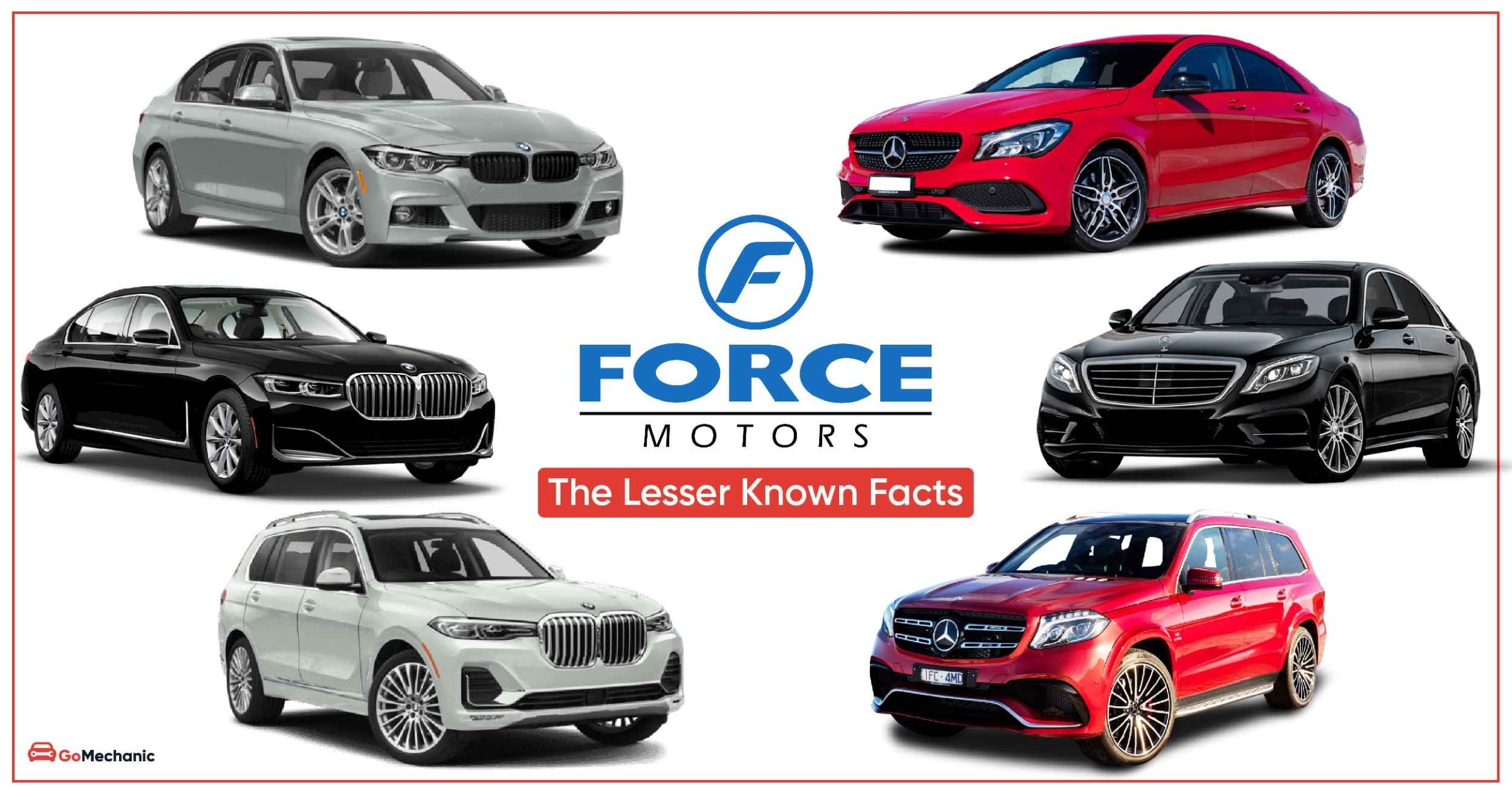
Force is no longer just “Bajaj Tempo with an identity crisis.” It’s now an engineering partner to BMW and Mercedes-Benz, manufacturing engines and axles that quietly power their Indian operations. Over 150,000 Mercedes engines and 70,000 BMW engines later, the company’s factory floor sounds more German than Marathi.
And while most automakers are burning cash like Diwali crackers on EV dreams, Force Motors keeps it simple: build vans that last, deliver profits that shock, and spend 5–6% of revenues on R&D to stay ahead.
FY26 looks like the company finally merged “Force” with “momentum.”
3. Business Model – WTF Do They Even Do?
Force Motors operates in two worlds — one where it’s the silent workhorse of India’s roads, and another where it builds world-class engines for global luxury brands.
Segment 1: Vehicles The bread, butter, and bhature of Force Motors. This includes:
Light Commercial Vehicles (LCVs): The iconic Traveller, school buses, and ambulances — roughly 70% market share in this niche.
Multi-Utility & Small Commercial Vehicles: The Gurkha (yes, the off-roader that looks like it eats Thars for breakfast).
Special Vehicles: Defence vehicles, airport shuttles, and hospital vans.
Tractors (Discontinued in Mar 2024): RIP to the old fields of glory.
Segment 2: Engines & Components Through its joint venture, Force MTU Power Systems, it builds high-end diesel engines and gensets. The company also manufactures engines and axles for BMW and Mercedes-Benz India — a partnership that’s been running smoother than German beer at Oktoberfest.
Segment 3: Financial Services Handled through Tempo Finance (West), a subsidiary providing financing options for customers — because even ambulance buyers need EMIs.
In short: Force Motors builds everything that moves people, powers machines, and pleases auditors.
4. Financials Overview
Metric
Latest Qtr (Sep 2025)
Same Qtr Last Year (Sep 2024)
Prev Qtr (Jun 2025)
YoY %
QoQ %
Revenue (₹ Cr)
2,081
1,941
2,297
7.2%
-9.4%
EBITDA (₹ Cr)
363
277
323
31.0%
12.4%
PAT (₹ Cr)
351
135
176
160.0%
99.4%
EPS (₹)
266.14
102.47
133.82
159.6%
98.9%
Annualised EPS = ₹266.14 × 4 = ₹1,064.56 → at ₹18,194, that’s a P/E of 17.1x (self-calculated).
Commentary: When profit grows faster than a chai price in a hill station, you know something’s working. Force Motors didn’t just recover; it launched itself into profitability orbit, driven by stronger margins and order execution. Other income of ₹26 Cr doesn’t even dent the numbers — the operational performance is the real hero.
5. Valuation Discussion – Fair Value Range
Let’s keep the engines running with some basic math.
(a) P/E Method
Annualised EPS: ₹1,064.56 Industry P/E: 33 Company P/E (recalculated): 17.1 Assuming a fair range between 25x–30x → Fair Value Range = ₹26,600 – ₹31,900
(b) EV/EBITDA Method
EV = ₹23,483 Cr EBITDA (FY25): ₹1,247 Cr → EV/EBITDA = 18.8x Industry average: 20–25x → Fair range = ₹24,940–₹31,000 Cr EV → Approx ₹20,000–₹25,000 per share
(c) DCF (simplified)
Assume free cash flow growth 10% for 5 years, WACC 10%, terminal growth 3%. → Fair intrinsic range = ₹19,500 – ₹23,500
Educational Fair Value Range: ₹19,000 – ₹31,000 Disclaimer: This fair value range is for educational purposes only and not investment advice.
6. What’s Cooking – News, Triggers, Drama
The last 12 months have been spicier than a roadside vada pav stall:
Defence Orders: March 2024 brought a mega ₹2,978-vehicle order from the Indian Defence. When your vans start marching into barracks, you’ve truly diversified.