Exicom Tele-Systems Ltd Q1 FY26 – EV Charger Dreams, ₹1,412 Cr Orders, But Still Short-Circuited in Profits
1. At a Glance
Exicom is that enthusiastic engineering student who keeps winning hackathons but still fails in final exams. The company just bagged a ₹1,412 Cr RVNL order and raised ₹259 Cr via rights issue, but Q1 FY26 still showed Sales ₹205 Cr (–19% YoY) and Loss ₹71 Cr. Stock at ₹145 is down ~58% in a year, trading like the market is saying: “Beta, EV chargers toh future hai, but tera balance sheet kab sudhrega?”
2. Introduction
Founded in 1994, Exicom Tele-Systems (ETSL) started as a critical power supplier to telecom towers. Then EVs showed up, and Exicom decided to be the Desi Tesla of Chargers. From 3.3kW home chargers to monster 480kW liquid-cooled dispensers, they make everything short of a plug point for your toaster.
The problem? EV charger demand in India is still developing, and telecom infra orders keep yo-yoing. Meanwhile, the company spends heavily on capex and global acquisitions (Australia, USA, Netherlands). Result? Revenue looks like a Diwali rocket, profits like a burnt phuljhari.
Question: Would you trust a company with negative ROE –16.5% to power your EV road trip?
3. Business Model – WTF Do They Even Do?
Exicom has two main faces:
1. EV Chargers:
SPIN Free (3.3 kW, home use)
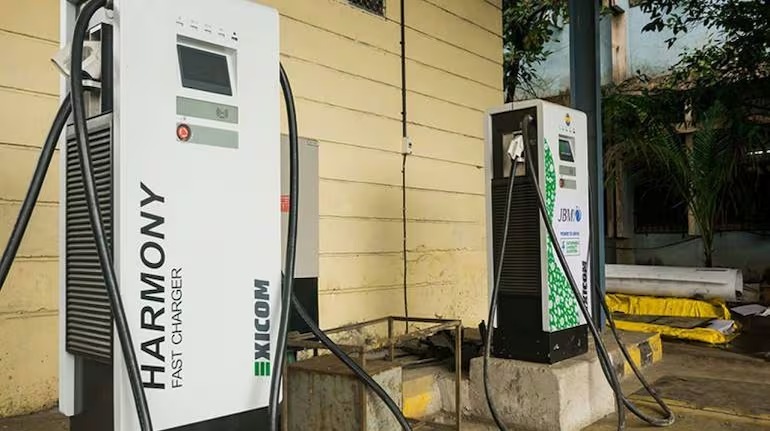
Harmony Wallbox (30 kW)
Harmony Gen 1.5 (60–400 kW)
Distributed Charging (480–600 kW monsters for buses). Basically, they sell everything from “charge at home like charging your phone” to “charge 50 buses in one go.”