DRS Dilip Roadlines Ltd H1 FY26 – ₹97.4 Cr Quarterly Sales, EPS ₹3.15, ROCE 23.7%: Logistics With Low Margins, High Drama
1. At a Glance – Blink and You’ll Miss the Margins
₹90.5 crore market cap. A stock that has fallen almost 49% in one year, now sitting quietly near its lifetime lows, as if it’s reflecting on life choices. DRS Dilip Roadlines Ltd currently trades around ₹60, down from a glorious ₹137 peak, proving once again that logistics stocks can move goods faster than they move shareholder wealth.
Despite the market tantrum, the company just posted quarterly sales of ₹97.4 crore with PAT of ₹4.76 crore, clocking a respectable ROCE of 23.7% and ROE of 19%. On paper, the numbers don’t scream distress. On the stock chart, however, they scream “why me?”.
The business runs on wafer-thin operating margins of ~3–4%, yet manages to squeeze out profits thanks to scale, disciplined costs, and surprisingly low debt. Promoters hold a chunky 73.35%, debt is only ₹4.88 crore, and interest coverage sits comfortably at 18.6x, which is rare for a trucking-heavy business.
So why is the stock punished like a midterm exam gone wrong? Is the market underestimating a boring logistics player, or does it know something you don’t? Let’s open the container and inspect the cargo.
2. Introduction – Welcome to the Most Unsexy Sector in India
Logistics is not glamorous. There are no apps promising 10-minute delivery of emotions. No AI buzzwords. No influencer founders. Just trucks, drivers, diesel bills, paperwork, and clients who negotiate like it’s a wedding vegetable market.
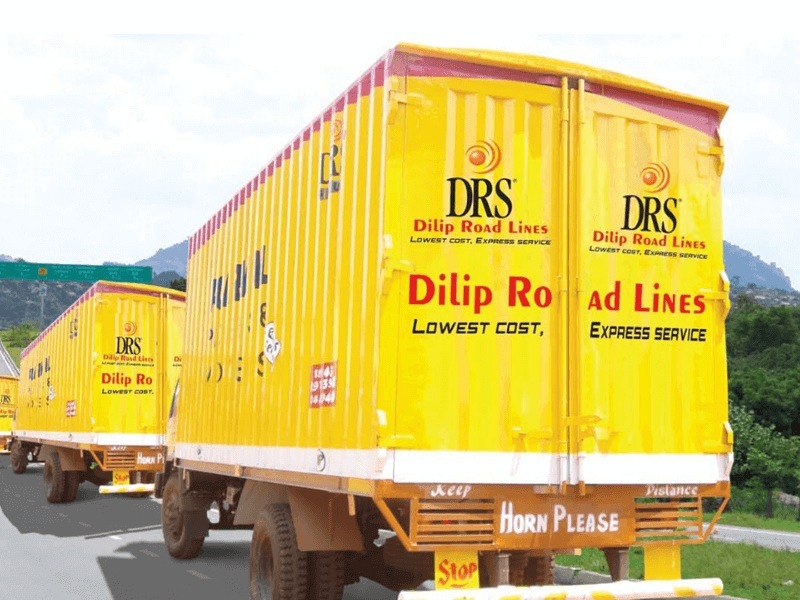
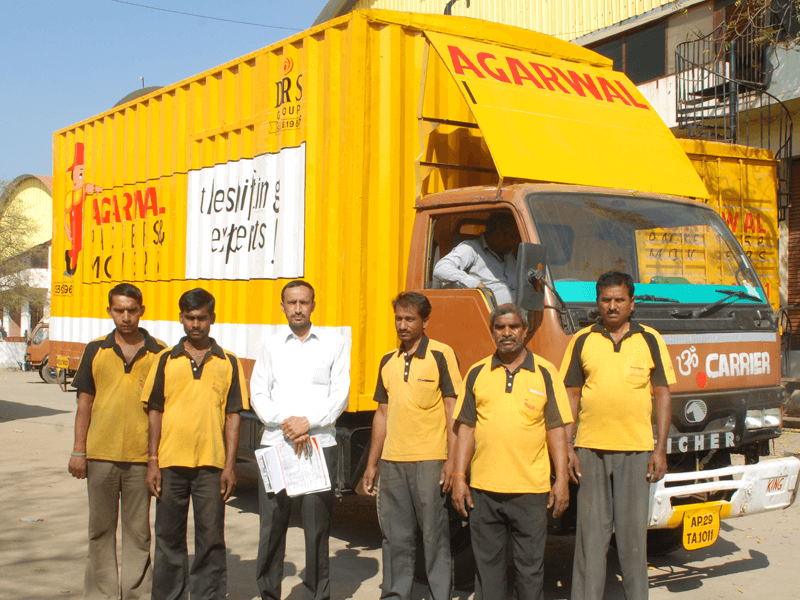
DRS Dilip Roadlines Ltd has been doing this grind for years. Transportation, packing, moving—especially household relocation, which contributes about 84% of FY24 revenue. This is the kind of business where demand exists as long as people change jobs, cities, or houses after marriage disputes.
The company operates through 54 branches and transhipment hubs, covers 1,200 locations, owns 327 vehicles, and has warehouses in Hyderabad. This is not a PowerPoint logistics startup. This is an old-school execution business.
Yet, despite stable operations and profits, the stock has delivered negative returns over 1, 3, and 5 years. The market seems unimpressed. Maybe because growth has been slow. Maybe because margins are thin. Or maybe because logistics, like air travel food, is essential but unloved.
So the real question: is this a boring compounder stuck in a bad phase, or a value trap with good accounting manners?
3. Business Model – WTF Do They Even Do?
Imagine you’re relocating from Mumbai to Bengaluru with a house full of furniture, appliances, and emotional baggage. You don’t call a unicorn startup. You call a packer-mover who promises not to break your fridge. That’s DRS Dilip Roadlines’ core business.
The company earns most of its money from household transport services (84%), with the remaining 16% from commercial transport. This revenue mix matters. Household logistics is fragmented, relationship-driven, and margin-sensitive. Commercial logistics is more stable but brutally competitive.
DRS runs an asset-heavy model: trucks, branches, warehouses, manpower. No asset-light fantasies here. The upside? Control over execution. The downside? High fixed costs and operating leverage that works only when volumes behave nicely.
Clients include heavyweights like Indian Oil Corporation, ITC, ACC, UltraTech Cement, ONGC, SBI, MRF, and Tata Power. That’s a solid client list, not a shady WhatsApp group.
In FY24, the company also demerged its warehousing division into DRS Cargo Movers Limited, which is now listed separately on NSE Emerge. Translation: the parent decided to clean up the structure and let warehousing have its own life. Whether this unlocks value or just unlocks paperwork remains to be seen.
So tell me—does a boring but essential service excite you, or do you need drama with your EBITDA?
4. Financials Overview – The Numbers Don’t Lie, They Just Whisper