1. At a Glance – The Foundry Mafia Boss of India
DISA India is that rare capital goods company which behaves less like a cyclical toddler and more like a Scandinavian accountant on protein shakes. Q3 FY26 delivered ₹129 Cr revenue with PAT of ₹17.9 Cr, clocking a 67% YoY profit jump, while most capital goods peers are still blaming elections, monsoons, interest rates, Mercury retrograde, and “execution challenges.”
Market cap sits at ₹1,970 Cr, stock price ₹13,549, P/E 32.9x, ROCE 29.2%, ROE 21.7%, and debt so low (₹0.11 Cr) it practically qualifies as a rounding error. Dividend yield at 1.48% means management believes in sharing—just not too much.
Yet, the stock is -14.8% over 1 year, which tells you the market thinks this is either (a) peak-cycle profit or (b) too boring to hype on Twitter. So is DISA a quiet compounding machine… or a premium-priced foundry tools dealer riding one lucky upcycle?
Let’s open the casting mould.
2. Introduction – Capital Goods, But Make It Nordic
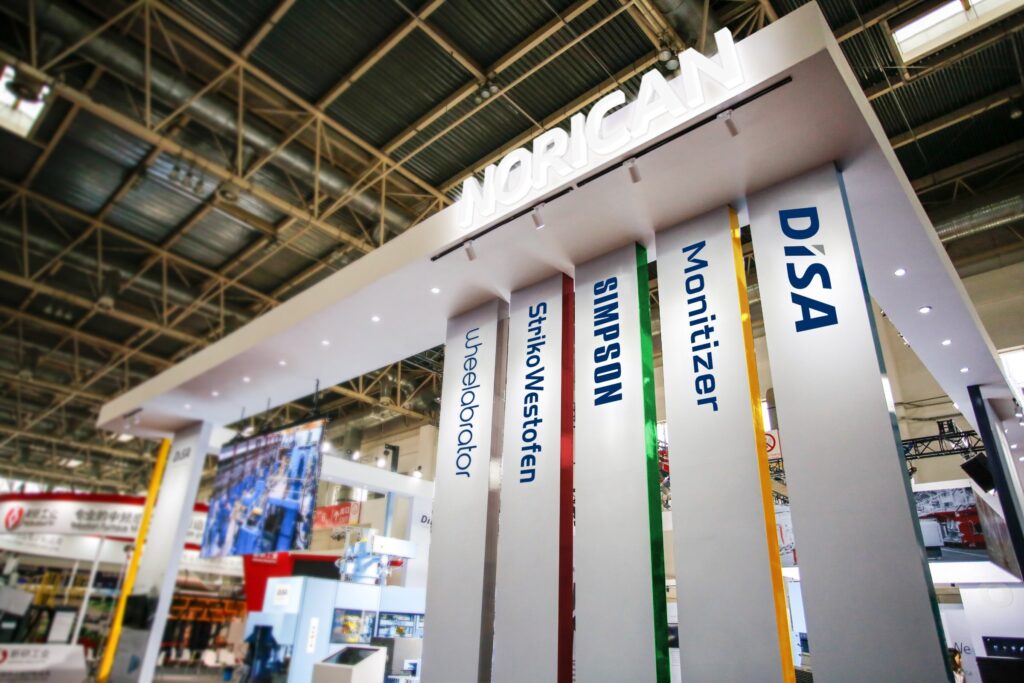
DISA India is not your typical Indian capital goods chaos factory. It’s part of the global Norican ecosystem, sells mission-critical foundry equipment, and operates in a niche where downtime equals money on fire.
Foundries don’t “experiment.” Once DISA installs a moulding line, it’s married for life—with annual maintenance, upgrades, spares, and aftermarket services tagging along like loyal relatives.
That’s why DISA doesn’t chase volume like a sugar mill. It chases precision, repeat orders, and aftermarket annuities.
But here’s the twist: foundries are cyclical. Auto demand slows? Foundries cry. EV transition confuses casting volumes? Foundries panic. China dumps machines? Foundries bargain.
So the real question isn’t whether DISA is good. It’s whether ₹13,500 already prices in perfection.
3. Business Model –
WTF Do They Even Do?
Imagine explaining DISA to a lazy investor:
“They sell the big machines that make metal parts before those parts become cars, tractors, pumps, and industrial nightmares.”
Core Offerings
- Foundry machinery (~98% revenue)
- Moulding machines
- Sand mixers
- Surface preparation systems
- Environmental control systems
- Industrial filters (~2% revenue)
- Cartridge filters
- Pulse jet filters
- Silo vent filters
Why This Is a Sweet Business
- High switching costs
- Long equipment life cycles
- Aftermarket revenue with fat margins
- Clients hate downtime more than GST notices
DISA isn’t selling steel. It’s selling process control and productivity. Once installed, the customer keeps coming back—for parts, upgrades, servicing, and therapy.
Question: if you were a foundry owner, would you cheap out on the machine that literally decides your output quality?
4. Financials Overview – The Numbers Don’t Lie, They Flex
Quarterly Performance Table (₹ Cr)
| Metric | Latest Qtr (Q3 FY26) | YoY Qtr (Q3 FY25) | Prev Qtr (Q2 FY26) | YoY % | QoQ % |
|---|---|---|---|---|---|
| Revenue | 129 | 98 | 104 | 31.8% | 24.0% |
| EBITDA | 22 | 12 | 15 | 83% | 47% |
| PAT | 17.9 | 10.7 | 12.0 | 67.3% | 49% |
| EPS (₹) | 106.0 | 67.3 | 84.1 | 57% | 26% |
Annualised EPS (Q1–Q3 avg ×4): ~₹395, matching TTM.
Commentary:
Margins expanding, operating leverage kicking in, and zero interest cost doing its silent magic. This is what clean execution looks like—no drama, no leverage-fuelled heroics.
But ask yourself: is this
