1. At a Glance – Tube Light Hai Ya Laser Beam?
Dhanashree Electronics Ltd, a 1987-born veteran in the Indian lighting space, is currently trading at ₹212 with a market capitalisation of roughly ₹301 crore. In the last one year, the stock has delivered a face-melting return of over 225%, only to then cool off with a sharp -36% return in the last three months, proving once again that volatility is the true brand ambassador of smallcaps. The company clocked quarterly sales of ₹19.56 crore in the latest reported quarter with a PAT of ₹0.74 crore, translating into a quarterly EPS of ₹0.52. Annualise that, and you’re staring at an EPS of about ₹2.08, while the stock happily trades at a P/E north of 70. ROCE stands at 11.8%, ROE at 8.61%, debt-to-equity at a spicy 1.46, and operating margins are thinner than LED strip wires at just under 2% on a trailing basis. Promoters hold a comfortable 70.2% stake with zero pledging, which is the one bulb glowing steadily in this chandelier. The latest quarterly results show growth, but the bigger question is: is this Diwali lighting sustainable or just festive decoration?
2. Introduction – Old Company, New Price, Same Old Tension
Dhanashree Electronics is not some newly incorporated startup selling fairy lights on Instagram. This is a company that has seen CRT TVs, CFL bulbs, LED revolutions, and now solar lighting hype cycles. Incorporated in 1987, it has survived long enough to earn respect for sheer longevity. But longevity alone doesn’t justify a 70x P/E multiple, especially when margins are allergic to double digits.
The stock’s recent rally has pulled in retail curiosity like moths to a halogen bulb. One glance at the chart and you’ll see a classic smallcap story: long periods of silence followed by sudden violent price action. The business itself is spread across manufacturing, trading, installation services, government tenders, audio equipment, and even renting spaces. Yes, it’s diversified, but also slightly confused—like a Swiss Army knife that mostly gets used as a toothpick.
Financially, FY25 sales stand at ₹98 crore with TTM sales of ₹112 crore, while PAT is hovering around ₹4 crore. That’s not bad for a niche lighting player, but it’s also not blockbuster territory. The real spice comes from other income, which has occasionally saved the profit line when operating performance decided to take a tea break. So before getting blinded by the stock’s past returns, it’s worth switching on the tubelight and reading the numbers carefully. Ready to do that, or already reaching for the switch?
3. Business Model – WTF Do They Even Do?
If Dhanashree Electronics were a person, it would be that uncle who says “main sab kuch karta hoon.” Lighting manufacturing? Yes. Trading international brands? Yes. Government tenders? Obviously. Installation services? Why not. Professional audio and recording studios? Surprise element unlocked.
At
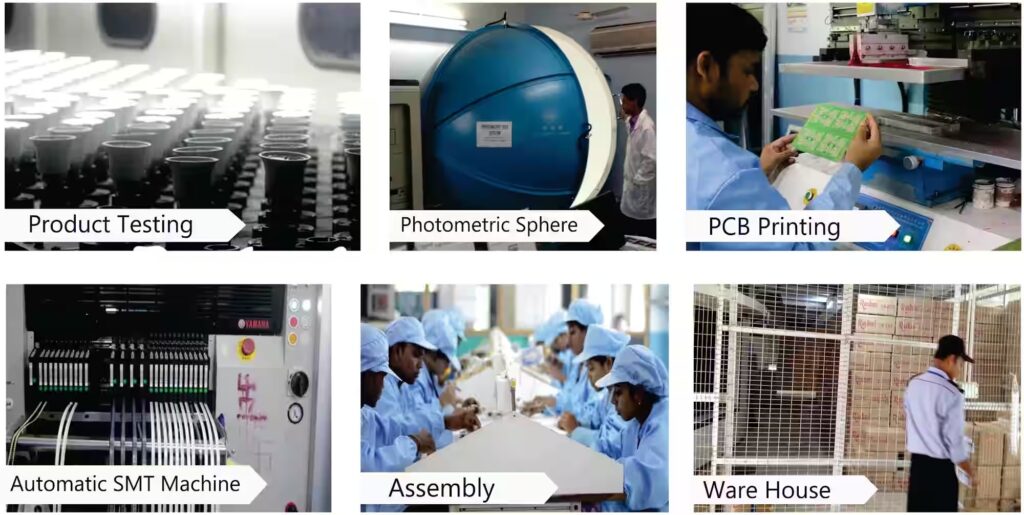
its core, the company manufactures and supplies lighting products under its own brand, Rashmi Lighting, focusing on LED lamps, luminaires, and solar-powered lighting solutions. These products cater to domestic, commercial, industrial, indoor, and outdoor applications. From home lighting to garden lights to solar solutions, they’ve covered most illumination use cases.
A significant chunk of business also comes from government and PSU orders. Names like SAIL, ITC, Tata, Railways, PWD Assam, and thermal power plants pop up in the client list, giving the company some credibility and order stability. Distribution is handled both directly and through a group entity, Ladhuram Toshniwal & Sons, with a dealer network exceeding 2,000 distributors and retailers.
Revenue-wise, FY22 saw a split of ~49% from sale of goods, ~45% from manufactured goods, and ~6% from other operating income. This mix tells you the company is as much a trader as it is a manufacturer. The upside? Lower capex intensity. The downside? Lower margins and less pricing power. So the real question is: can this mixed business model ever scale margins meaningfully, or is it permanently stuck in low-wattage mode?
4. Financials Overview – Numbers Don’t Lie, They Roast
Latest Results Type Detected: Quarterly Results (Locked)
Annualised EPS = Latest EPS × 4
| Metric | Latest Qtr (Sep 2025) | YoY Qtr (Sep 2024) | Prev Qtr (Jun 2025) | YoY % | QoQ % |
|---|---|---|---|---|---|
| Revenue (₹ Cr) | 19.56 | 17.03 | 25.57 | 14.86% | -23.5% |
| EBITDA (₹ Cr) | 2.91 | 1.98 | 2.53 | 46.9% | 15.0% |
| PAT (₹ Cr) | 0.74 | 0.58 | 1.05 | 27.6% | -29.5% |
| EPS (₹) | 0.52 | 0.41 | 0.74 | 26.8% | -29.7% |
Annualised EPS based on the latest quarter comes to roughly ₹2.08. At a current price of ₹212, that implies a P/E of over 100 on pure quarterly annualisation, though TTM EPS of ₹3.03 brings it closer to the reported ~70x.
Revenue growth is decent YoY, but QoQ volatility is wild. PAT swings like a pendulum, and EBITDA margins refuse to sit still. This is not the kind of consistency that justifies premium valuations. Unless you enjoy financial roller coasters, this table alone should raise eyebrows. Would you pay luxury
