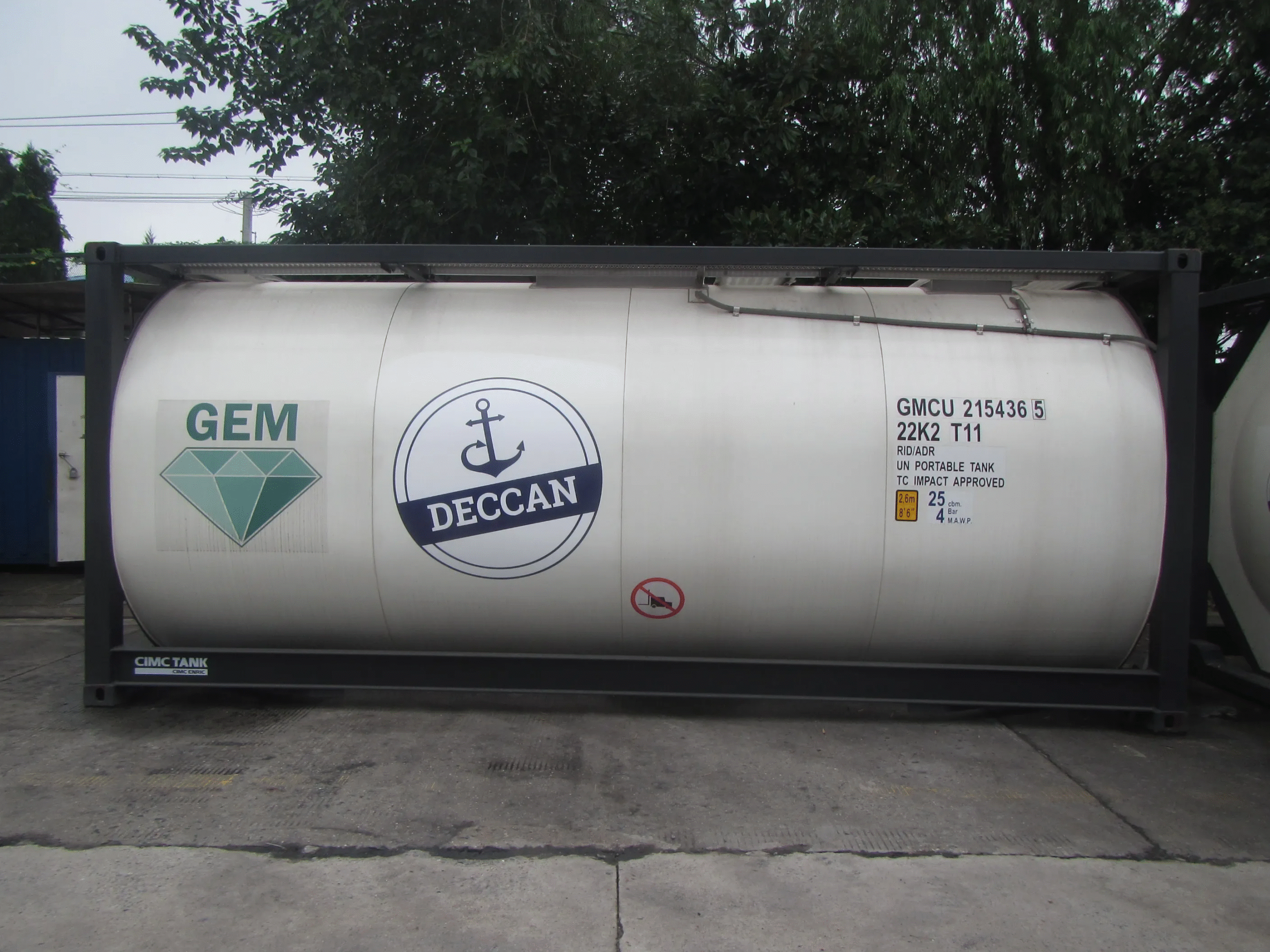
Deccan Transcon Leasing Ltd (DTL) – the name sounds like a bus company from the 90s, but surprise! They actually lease tank containers and do logistics. Think of them as the “Zoomcar of chemicals,” except instead of hatchbacks they’re renting steel tanks to petrochemical giants. Freshly listed in September 2024 with a ₹65 Cr IPO, the stock debuted with enthusiasm, but now it’s sitting at ₹40 – down 65% from its ₹118 high. Basically, a case study in “IPO FOMO hangover.”
2. Introduction
Let’s set the scene. India’s logistics sector is booming thanks to e-commerce, infra push, and government GST clean-ups. Everyone’s chasing this space: Delhivery, Blue Dart, VRL, TVS Supply Chain. Amid these giants, Deccan Transcon shows up with its fleet of 312 owned tanks and 2,211 leased tanks, shouting: “Bhai, I’m small, but I’m global!”
Their revenue split: 63% exports, 37% domestic. Asia alone gives them 71% of business (China + India chemical hubs, obviously). And customers? 5,000+ served, with 100 loyal clients hanging around for 3+ years.
But here’s the catch: FY25 profits were halved from ₹12 Cr (FY24) to ₹6 Cr. Yes, margins slipped from 12% to 6%. Basically, they’re working double to earn half – sounds like most Indian salaried folks.
Question: Would you rent a chemical tank from a company that’s itself leaking profits?
3. Business Model (WTF Do They Even Do?)
DTL has two revenue streams:
Freight & Shipping (95%): This is the bread, butter, and pav-bhaji of the business. They act as freight forwarders, handling tank container logistics, customs, and transportation. Think DHL, but only for dangerous liquids.
Leasing Service (5%): Clients lease tanks – short-term for domestic storage or long-term for exports. It’s like giving your neighbor a water tank, except instead of storing water he’s storing sulphuric acid.
📌 Educational FV Range: ₹33–₹52. (Disclaimer: For educational purposes only, not investment advice.)
6. What’s Cooking – News, Triggers, Drama
IPO Money (₹65 Cr): They promised to buy new tanks. By May 2025, ₹50 Cr already spent – no deviation, SEBI is happy. But execution risk remains: if utilisation is poor, it’s dead capital.