1. At a Glance – Copper Ki Kahani, Numbers Ki Zabani
DCG Cables & Wires Ltd is that classic SME stock which quietly entered the party in 2017, didn’t make much noise initially, and suddenly started flexing copper muscles once the transformer boom kicked in. With a market cap of around ₹117 crore and a current price hovering near ₹64.5, DCG looks like a mid-IPL auction player—cheap compared to stars, but suddenly in demand when performance clicks.
The company just reported half-yearly results for H1 FY26, clocking ₹72.4 crore in revenue and ₹5.86 crore in PAT, delivering an EPS of ₹3.23 for the half year, which when annualised lands at ₹6.46. For a stock trading at ~12.8x trailing earnings in an industry where the median P/E is above 20, that’s enough to make value hunters spill their chai.
ROCE at 17.2% and ROE at 15% show that capital isn’t being roasted like street-side corn—it’s being cooked decently. Debt-to-equity stands at 0.54, which means leverage exists, but it’s not screaming “bankruptcy documentary on Netflix.” The company has also posted 21.6% YoY quarterly sales growth and 22.3% profit growth, which is not viral-reel-level but respectable engineering grind.
But here’s the twist—despite decent growth, the stock is down 41% over one year. So the obvious question: Is the market blind, or is DCG hiding something behind shiny copper strips? Let’s dig.
2. Introduction – Ek Aur Copper Story, Ya Kuch Alag?
India’s power infrastructure story has become the Bollywood multiverse—transformers everywhere, cables everywhere, EPC players everywhere. In this crowded bazaar of copper dreams, DCG Cables & Wires Ltd operates in a niche that doesn’t get Instagram likes but pays the bills: transformer-grade copper conductors and strips.
Founded in 2017, DCG didn’t try to become Polycab overnight. Instead, it focused on being a supplier’s supplier—the kind of company most retail investors ignore until the numbers slap them awake. The last five years show sales CAGR of 97% and profit CAGR of 229%, which sounds illegal until you realise the base was tiny. Growth from small numbers always looks like a rocket launch; the real test is sustainability.
The company caters primarily to transformer manufacturers, supplying paper-covered copper strips, fiberglass-covered conductors, rods, and wires. This is not a brand-driven business. There’s no showroom, no Diwali ad, no celebrity holding a wire and smiling. This is B2B hardcore manufacturing, where margins depend on copper prices, operational efficiency, and how well you manage working capital without crying to bankers every quarter.
The IPO raised ₹50 crore, largely for capex, working capital, and general corporate purposes—translation: “We need money to grow and also to breathe.” Since then, DCG has expanded capacity, added a new Bavla unit, and ramped up volumes.
But concentration risk,
rising debt, and SME volatility are real. So before declaring DCG the next multibagger copper king, let’s understand what exactly they do—and whether they do it well.
3. Business Model – WTF Do They Even Do?
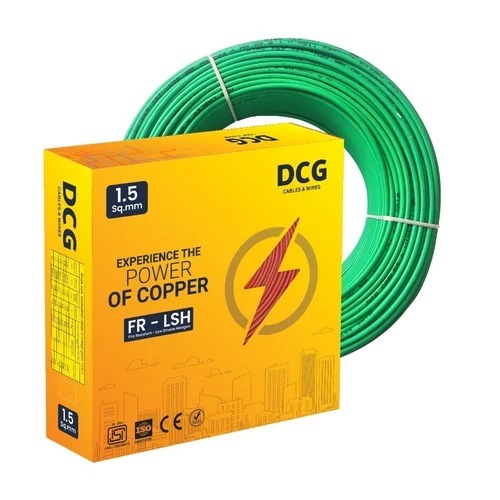
DCG Cables & Wires Ltd lives and breathes copper. Not jewellery copper, not trading copper, but industrial, transformer-grade copper conductors. Their products don’t shine in photos but shine inside transformers that keep your AC running in May.
The product mix is dominated by paper-covered copper strips and wires, contributing 70.5% of FY23 revenue. These are used as conductors in transformers—essential, regulated, and not easily replaceable. Add to that fiberglass-covered copper strips, copper rods and wires for connection leads, and a surprisingly large chunk—21.5% of FY23 revenue—from copper scrap sales. Yes, even the waste gets monetised. Desi jugaad, but efficient.
Manufacturing happens across three facilities in Gujarat—Odhav, Kubadthal, and Waghodia, with cumulative capacities spread across bare copper wire, paper-coated strips, flat copper wires, submersible wires, and rods. The newest kid on the block is the Bavla plant, a 100,000 sq ft facility that commenced production in November 2024, adding 20 new products and relocating two older units.
Revenue concentration is high. Top 10 customers contribute 82% of revenue, and top 10 suppliers account for 89% of procurement. This is not diversification; this is “don’t upset anyone” business strategy. One angry client, and management meetings suddenly become very spiritual.
The company employs just 69 people, which means productivity per head is high—or automation is doing the heavy lifting. Either way, it’s a lean setup.
So the business model is simple: buy copper, process it precisely, sell it to transformer manufacturers, manage margins, survive copper price swings, and pray clients pay on time. Straightforward—but execution is everything.
4. Financials Overview – Half-Year Numbers, Full Masala
Result Type Detected:
