1. At a Glance
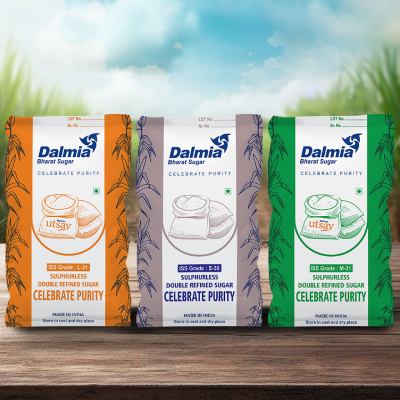
Dalmia Bharat Sugar & Industries Ltd (DBSIL) is the corporate equivalent of that kid in class who excels in both science and arts — sugar milling for the sweet tooth, ethanol for the green brigade, and even refractory products for when things get heated (literally). With ₹3,746 Cr FY25 revenue, 12% OPM, and a market cap at ₹2,862 Cr, this UP–Maharashtra powerhouse is trading at just 0.88x book value. The June ’25 quarter was a bit of a bittersweet gulab jamun — distillery volumes up 21% YoY but PAT down 29% QoQ. Still, debt is under control, promoters own 74.92%, and the dividend yield is a respectable 1.7%.
2. Introduction
Dalmia Bharat Sugar didn’t just jump on the sugar bandwagon — it built a few of the wagons itself. Born into the Dalmia Bharat Group legacy, the company entered the sugar biz in 1994 with a 2,500 TCD plant in UP. Fast-forward to 2025, and it’s one of the largest sugar players in India with integrated operations that read like a sustainability consultant’s dream:
- 67% of revenue from sugar
- 23% from distillery (read: ethanol money machine)
- Rest from power and refractory products
They’ve been riding the ethanol blending program, diversifying revenue streams, and modernising plants. The catch? Sugar is cyclical, ethanol margins fluctuate with government pricing whims, and the refractory biz is too small to change the big picture.
3. Business Model (WTF Do They Even Do?)
Think of DBSIL as a three-legged stool:
- Sugar Manufacturing – Crushing capacity of millions of tonnes, supplying both domestic and
- export markets. Cyclical, weather-sensitive, and dependent on cane pricing.
- Distillery – Converts molasses into ethanol, capitalising on India’s 20% blending target by 2025-26.
- Power Generation & Refractories – Power is a by-product of sugar operations; refractory products serve industrial clients.
The integration reduces waste (molasses → ethanol, bagasse → power), improves margins, and creates a hedge. But it’s still heavily policy-driven — any tweak in cane procurement price or ethanol blending mandate can swing profits like a political opinion during elections.
4. Financials Overview
Latest P/E Calculation (TTM EPS based on Mar ’25 + Jun ’25):
- Mar ’25 EPS: ₹47.81
- Jun ’25 EPS: ₹4.74 (quarterly) → Annualised: ₹18.96
- TTM EPS ≈ ₹47.81 – ₹15.35 (Jun ’24) + ₹4.74 = ₹37.20
- Price ₹354 → Fresh P/E = 9.51
FY25 Snapshot:
| Metric | FY25 | YoY Change |
|---|---|---|
| Revenue | ₹3,746 Cr | +29% |
| EBITDA | ₹470 Cr | +14% |
| PAT | ₹387 Cr | +42% |
| OPM | 13% | Flat |
| ROCE | 9% | ↓ from 10% |
| Debt | ₹1,044 Cr | Down from ₹1,430 Cr |
Commentary:
Ethanol growth is the hero here — 21% YoY in Jun ’25 — but lower sugar realisations and policy changes dented quarterly profits. Debt reduction is commendable; interest cover is comfortable.
