1. At a Glance — The Herbal Giant With a Valuation Hangover
Dabur India is that overachieving topper in the FMCG classroom who now charges IIT-level fees for tuition. With a market cap of ₹90,556 crore, stock price of ₹510, and a P/E of 48.7, Dabur is clearly priced like it’s selling Amrit, not toothpaste. Q3 FY26 delivered ₹3,559 crore revenue (+6.1% YoY) and ₹572 crore PAT (+9.4% YoY) — respectable, but not exactly “mic drop” numbers for a stock trading at 49x earnings. ROCE stands at 20.2%, ROE at 17%, dividend yield 1.57%, and debt is a manageable ₹1,301 crore with D/E of 0.12.
The business is steady, margins are civilised, promoters hold 66.2%, and the brand portfolio could fill an entire ayurveda textbook. Yet returns over 3 and 5 years are basically zero. So the big question: is Dabur a defensive fortress quietly compounding… or a valuation comfort zone where returns go to retire early?
2. Introduction — From Dadi-Nani Ka Nuskha to Dalal Street Darling
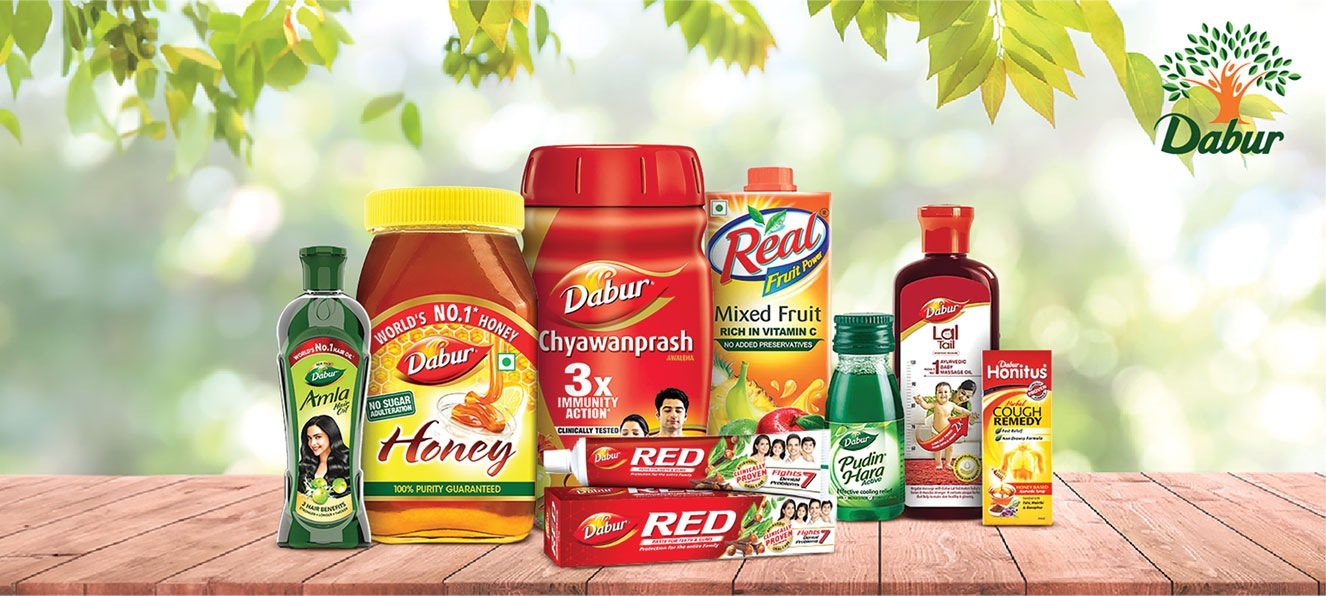
Dabur is not just a company; it’s an emotion. Your grandmother trusts it more than your doctor, and fund managers trust it more than midcaps. Founded on Ayurveda and scaled with FMCG muscle, Dabur today sits at the intersection of heritage + distribution + branding.
But here’s the plot twist. While Dabur’s products are everywhere — kitchens, bathrooms, medicine cabinets — growth has slowed. Sales CAGR over 5 years is ~7.7%, profit CAGR ~3%, and the stock has delivered flat returns over half a decade.
Yet the market keeps valuing Dabur like it’s an eternal compounder. Why? Because when things go wrong — inflation, slowdown, rural stress — Dabur is where money hides. Honey doesn’t rot, and neither does Dabur’s balance sheet. Or does it?
3. Business Model — WTF Do They Even Do?
Dabur operates across three major segments,