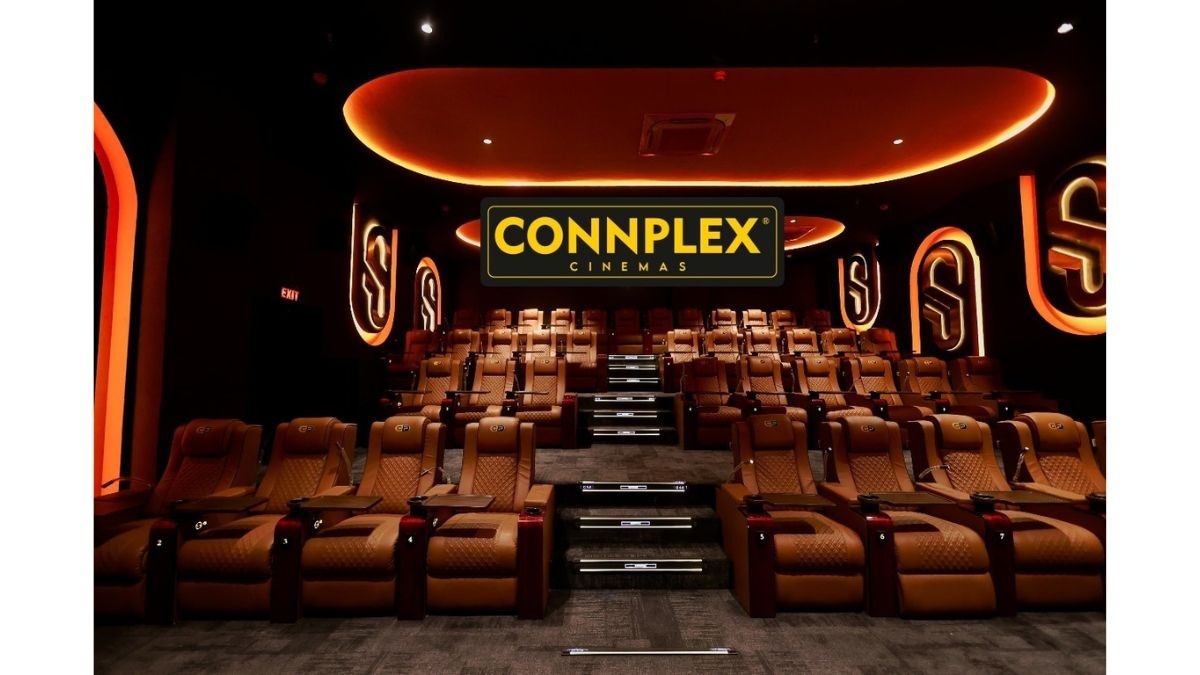
1. At a Glance
Connplex Cinemas is aggressively rewriting the script of regional entertainment, but the financial subplot is becoming increasingly complex. On one hand, the company is riding a massive wave of expansion, reporting a 54% YoY revenue jump to ₹148 Crore for FY26. On the other hand, the auditor-style lens reveals a balance sheet that is becoming increasingly “heavy” for an “asset-light” model.
The most glaring red flag is the Working Capital Cycle, which has ballooned from 108 days to a staggering 255 days. For a company that claims to be asset-light, why is cash getting trapped so deeply in operations? While the top line looks sensational, the Operating Cash Flow (OCF) turned negative at -₹60 Crore in FY26.
Investors are witnessing a classic “growth at all costs” phase. The company added 47 new screens in a single year, bringing its total to 113 screens. However, the reliance on one-time “Cinema Making” income (which accounts for over 50% of revenue) raises questions about the sustainability of margins once the construction frenzy cools down.
While the ROCE at 43.6% remains high, it has fallen from the triple-digit levels seen in previous years. The company is sitting on ₹90 Crore of IPO proceeds, but the shift in focus toward purchasing a corporate office and high-end LED screens suggests a transition toward a more capital-intensive structure. Is this a strategic evolution or a departure from the core franchise model?
2. Introduction
Connplex Cinemas Limited (formerly VCS Industries) has positioned itself as the “Robin Hood” of the multiplex world—taking premium cinema experiences to the underserved Tier 2, 3, and 4 towns of India.
The story began in 2015, but the real momentum kicked in post-pandemic. The company identifies “cinema-dark” zones where single screens have died, and modern multiplexes haven’t yet reached. By offering a “mini-multiplex” format with 70–75 seats per screen, they aim to solve the problem of low occupancy that plagues larger 300-seater halls.
Currently, the company operates under three distinct models: Express, Signature,