1. At a Glance – Movie Tickets, Debt Repayments & Kanakia-Level Plot Twists
Cineline India Ltd is that one cinema stock which behaves exactly like a Hindi movie interval block — loud comeback, emotional background music, but you’re still unsure how the second half ends.
As of late January 2026, Cineline sits at a market cap of roughly ₹304 crore, trading near ₹88.8, with a 6.8% single-day jump just to remind everyone that it still exists. Quarterly revenue clocked in at ₹67.21 crore, while PAT shot up to ₹6.21 crore, a spicy 491% YoY growth. Sounds blockbuster? Wait till you see the full film.
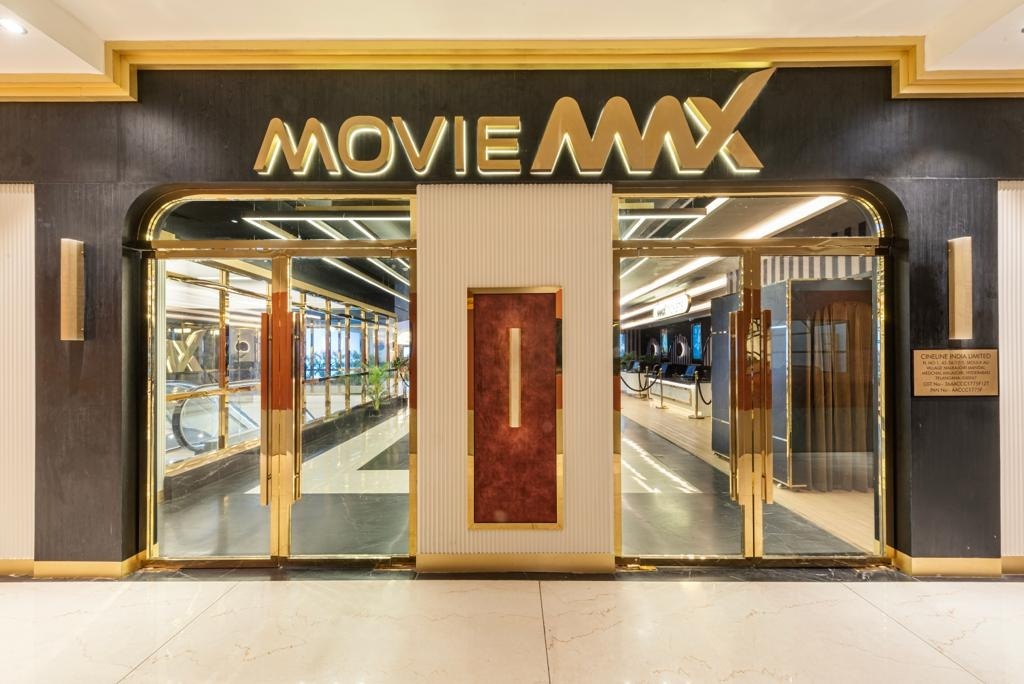
The company operates 39 cinemas with 160+ screens across 26 cities, under the MovieMax brand, backed by the Kanakia Group. On paper, it’s a mid-sized multiplex operator trying to play in the same industry where PVR Inox spends more on popcorn than Cineline does on capex annually.
Key ratios flash mixed signals:
- P/E: 18.4
- EV/EBITDA: 7.7
- ROCE: 5.25%
- Debt-to-Equity: 0.71
- Interest Coverage: 1.43 (ouch)
Debt has come down, yes. Profits have bounced back, yes. But return ratios are still limping like a post-interval villain.
So the real question:
Is Cineline finally scripting a turnaround — or is this just another trailer that looks better than the actual movie?
2. Introduction – A Cinema Chain That Survived COVID, Debt & Its Own Ambitions
Cineline India has been around since 2002, long enough to experience:
- single-screen glory days,
- multiplex boom,
- OTT apocalypse,
- COVID lockdowns,
- and now, a debt-reduction redemption arc.
The company is part of the Kanakia Group, a name better known for Mumbai real estate than cinema popcorn margins. Cineline runs multiplexes under MovieMax and also operates a few single-screen theatres in Tier-2 and Tier-3 towns — the kind where ticket pricing still matters more than recliner seats.
What makes Cineline interesting (and confusing) is that it isn’t just a cinema company. Over the years, it also:
- owned a hotel business in Goa (now sold),
- dabbled in wind energy with 2.2 MW total capacity,
- and carried debt like it was a legacy asset.
FY23–FY25 was all about asset monetisation, selling non-core businesses, and trying not to drown in interest costs. By FY25, the company
sold its hotel asset for ₹270 crore and repaid a large chunk of borrowings. That single move changed the entire financial optics.
But let’s be clear — this is not a clean, asset-light, high-ROCE cinema operator. This is a company that survived by selling furniture and is now trying to redecorate the living room.
Is that bad? Not necessarily.
Is that risky? Absolutely.
3. Business Model – WTF Do They Even Do? (Apart from Selling Popcorn)
Cineline’s core business is straightforward:
- Run cinemas
- Sell tickets
- Sell food & beverages
- Rent out banquet spaces
- Milk advertisements
- Collect convenience fees
In FY23, revenue breakup looked like this:
- Movie tickets – ~39%
- Room & banquet income – ~31%
- Food & beverages – ~22%
- Ads, convenience & others – ~8%
This tells you two things:
- Cineline is not just dependent on box office collections.
- Real estate-linked monetisation (banquets, spaces) plays a bigger role than people assume.
Geographically, Maharashtra dominates with 14 cinemas, followed by NCR, South India, and a scattered presence across North and Central India. It’s a “many small bets” model, not a concentrated metro-heavy play like PVR Inox.
Then there’s the renewable energy side quest — two windmills in Gujarat and Maharashtra. Financially immaterial, but very Indian-promoter-coded: “jab hai toh chala lo.”
The real growth lever going forward is screen expansion. Management plans to add 61 screens between FY24–FY26, with a projected capex of ₹114 crore, funded via internal accruals and promoter contribution.
Which raises a simple question:
After
