1. At a Glance – Blink and You’ll Miss the Business
Cella Space Ltd is that rare BSE-listed creature which has reinvented itself so many times that even Google needs a coffee break to keep up. Once a paper manufacturer, now a warehouse landlord, occasionally a lender, sometimes a paper trader, and frequently a recipient of “Other Income.” With a market cap of ~₹26 crore, a share price hovering around ₹12–13, and FY25 sales of just ₹2.28 crore, this is less a logistics company and more a financial yoga pose — twisted, flexible, and confusing.
The latest quarter? Revenue of ₹0.12 crore, PAT of -₹0.43 crore, and an OPM that looks like it fell off a cliff (-391%). But wait, the headline profits in FY25 were positive thanks to a ₹93.85 crore asset sale, which wiped out debt faster than an Instagram finfluencer wipes out disclaimers.
So is this a turnaround, a balance-sheet clean-up, or just a one-time miracle followed by silence? Let’s unpack this warehouse-with-an-identity-crisis.
2. Introduction – From Paper Mills to Paper Profits (On Paper)
Cella Space Ltd was incorporated in 1991, back when paper mills were cool and logistics parks weren’t buzzwords on real estate brochures. For years, CSL was in the paper and paperboard manufacturing business, but eventually that business was discontinued — presumably after realizing that competing with JK Paper and West Coast Paper is not for the faint-hearted.
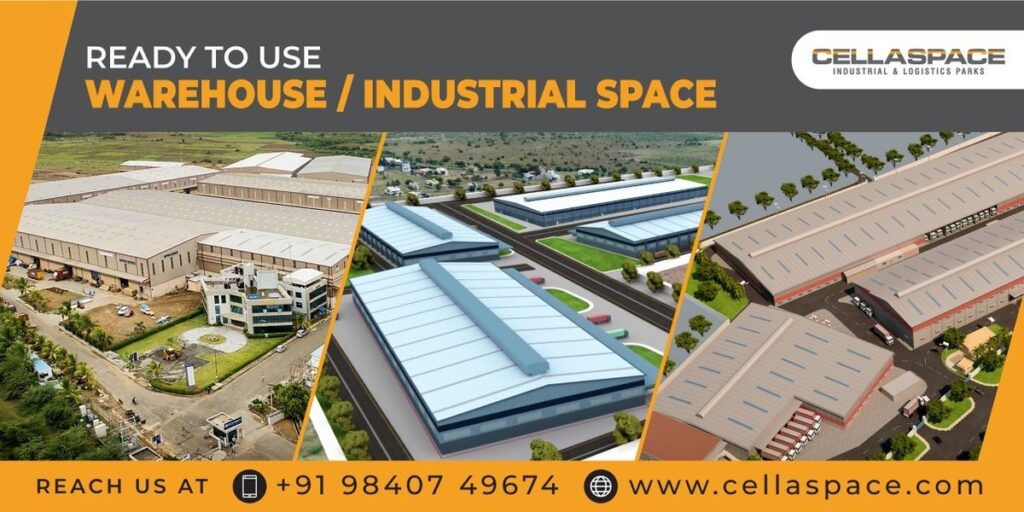
The company then pivoted into logistics operations, focusing on warehousing, industrial parks, and logistics parks, mainly through construction and leasing of warehouses, either directly or via third parties. Sounds clean, boring, and stable — exactly what long-term investors like.
Except… the financials didn’t get the memo.
Sales have been shrinking for years, operating profits are erratic, and most of the reported profits recently came from other income, not core leasing activity. In FY25, revenue was split between lease rentals, interest income, and other non-operating items — basically everything except a scalable logistics engine.
And then came the big bang: sale of a warehouse asset for ₹93.85 crore in July 2024, which changed the balance sheet overnight. Debt reduced, liabilities cleared, promoters loans repaid — the whole
detox program.
But here’s the real question:
👉 What remains after the asset sale? A business… or just a bank account?
3. Business Model – WTF Do They Even Do Now?
Let’s simplify this without sugarcoating.
Old Avatar
- Manufacturing paper and paperboards
- Capital-intensive
- Cyclical
- Eventually discontinued
Current Avatar
- Warehousing and logistics parks
- Construction + leasing model
- Income streams:
- Lease rental income
- Interest income
- Other operating & non-operating income
- Tiny residual paper sales (yes, still 1%)
In FY25, revenue breakup looked like this:
- Lease rentals ~38%
- Interest income ~36%
- Other non-operating income ~19%
- Other operating revenue ~6%
- Paper sales ~1%
If this were a restaurant menu, you’d be confused about what cuisine they actually serve.
The business today is asset-light only because the asset was sold, not because the model was designed that way. There is no visible pipeline of new warehouses, no disclosed expansion plan, and no scale economics kicking in.
So the current business model can best be described as:
“Own a warehouse, lease it, sell it, repay debt, park cash, earn interest, repeat (maybe).”
Is that a strategy or a survival mechanism? You decide.
4. Financials Overview – Numbers That Need Therapy
Quarterly Performance Table (₹ crore)
| Metric | Latest Qtr (Dec FY26) | YoY Qtr | Prev Qtr | YoY % | QoQ % |
|---|---|---|---|---|---|
| Revenue | 0.12 | 0.17 | 0.22 | -29.4% | -45.5% |
| EBITDA | -0.47 | -0.49 | -0.39 | NA | NA |
| PAT | -0.43 | 0.23 | 0.39 | -287% | -210% |
| EPS (₹) | -0.21 | 0.11 | 0.19 | -291% | -211% |
Annualised EPS rule:
Latest quarterly EPS is negative → annualisation is meaningless. Full-year FY25 EPS was ₹25.51, but that number is almost entirely driven by asset sale gains.
