1. At a Glance – Blink and You’ll Miss the Plot
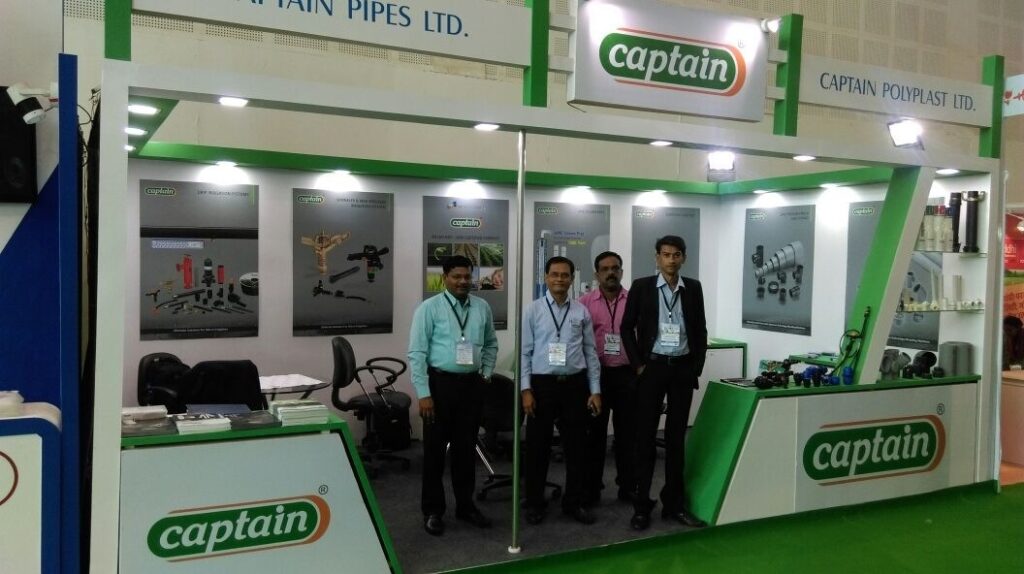
Captain Polyplast Ltd is that one company which started as a boring irrigation pipe manufacturer and woke up one fine morning deciding it wants to be half farmer, half solar EPC contractor, and part-time polymer distributor. And somehow, the numbers are cooperating.
As of early Feb 2026, the company is sitting at a market cap of ~₹465 crore, with the stock trading around ₹77—down ~27% YoY but still up ~54% over three years. Volatility? Yes. Bankruptcy vibes? Not yet.
Latest Q3 FY26 numbers look spicy:
- Revenue: ₹126.33 crore (+40% YoY)
- PAT: ₹9.48 crore (+41% YoY)
- Quarterly EPS: ₹1.58
Return ratios are decent for a mid-cap industrial:
- ROCE: ~16.4%
- ROE: ~15.4%
- Debt-to-equity: ~0.48
And yet, despite profits, no dividend—because obviously cash is being hoarded like it’s IPL auction season.
The big tease? Solar EPC now contributes ~9.5% of revenue and management wants it closer to 20% by FY26. Ambitious? Yes. Guaranteed? Let’s not get emotional yet.
Curious already? Good. Let’s get uncomfortable with the details.
2. Introduction – From Drip Pipes to Solar Pumps, the Classic Indian Pivot
Captain Polyplast was incorporated in 1997, back when irrigation meant PVC pipes and patience. For years, it stayed loyal to micro-irrigation systems—drip lines, sprinklers, HDPE pipes—quietly riding government schemes like PMKSY and “Per Drop More Crop”.
Then came the great Indian corporate realisation:
“Why stop at pipes when the government is throwing money at solar pumps?”
And just like that, Solar EPC entered the chat.
Today, Captain Polyplast operates across three business verticals:
- Micro Irrigation (the OG cash cow)
- Solar EPC Services (the growth experiment)
- Polymer marketing (because IOCL partnership = easy working capital churn)
The company has:
- Presence across 16 Indian states
- 750+ dealers
- Export exposure to Africa, Latin America, and the Middle East
Sounds impressive, right? But scale without execution is just PowerPoint.
So the real question is:
Is Captain Polyplast becoming a diversified agri-infra play—or just stretching itself thin chasing government tenders?
Let’s break the business down like an auditor with trust issues.
3. Business Model – WTF Do They Even Do?
3.1 Micro Irrigation – The Boring But Reliable Parent
This is where Captain Polyplast earns its roti-sabzi.
Products include:
- Drip
- irrigation pipes (inline & online emitters)
- Sprinkler systems
- Lateral pipes & accessories
They use German and Israeli technology, which sounds fancy until you remember every irrigation company says that.
What actually matters:
- 27+ years of operating history
- Deep participation in government irrigation schemes
- Distribution muscle across rural India
This segment benefits from:
- Subsidies
- Water scarcity
- Farmer migration toward yield optimisation
Margins aren’t sexy, but volumes are sticky.
If this business were a person, it would be the dependable elder sibling paying EMIs on time.
3.2 Solar EPC – The New Favourite Child
Solar EPC is where the adrenaline is.
Captain Polyplast:
- Executes rooftop, industrial, and utility-scale solar projects
- Supplies solar water pumps under PM-KUSUM
- Is empanelled in six states
- Recently won orders worth ₹35.86 crore for 1,300 pumps
Q3 FY26 solar revenue contribution: ~9.5%
Management ambition: ~20% by FY26
But EPC businesses come with baggage:
- Working capital pressure
- Execution risk
- Tender dependency
So yes, revenue growth looks good—but will margins survive once scale kicks in?
That’s the real test.
3.3 Polymer Marketing – The Quiet Side Hustle
Captain Polyplast is an official IOCL channel partner in Gujarat, distributing polymer resins to local plastic manufacturers.
This segment:
- Is low margin
- High turnover
- Improves vendor relationships
- Helps negotiate raw material sourcing
Think of it as the company’s cash-flow lubricant, not a profit engine.
So overall business model verdict?
- One stable base
- One high-growth gamble
- One utility side business
Balanced… but only if execution doesn’t slip.
Ready for the numbers? Let’s get surgical.
4.
