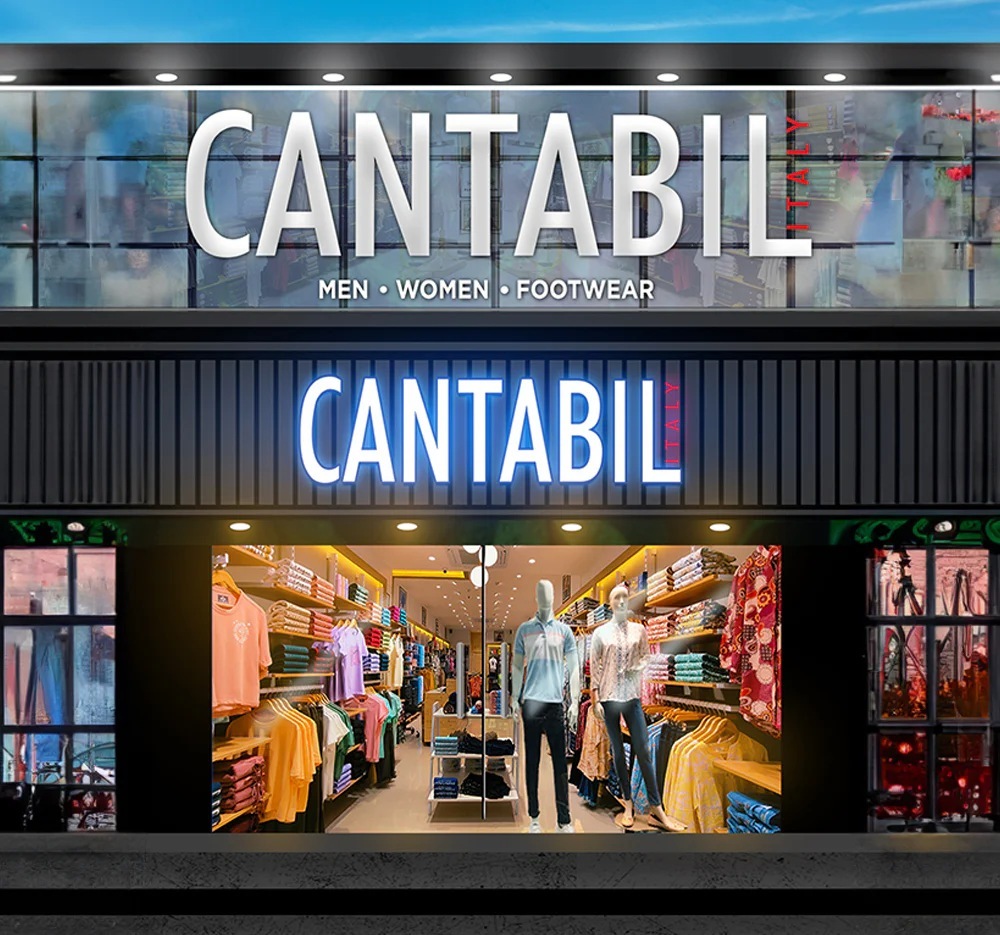
Cantabil Retail India Q3 FY26 – ₹264 Cr Revenue, 36% EBITDA Margin… Is This Retail or Winter-Season Engineering?
1. At a Glance – “Winter saved the quarter, again”
Cantabil Retail India is currently sitting at a market cap of ₹1,912 Cr with a stock price of ₹229 and a P/E of ~21.5 . The stock is down ~10% in the last 3 months, clearly not exciting anyone in the short term.
But then Q3 FY26 arrives like winter weddings in North India:
Revenue: ₹264 Cr
PAT: ₹45 Cr
EBITDA margin: 36%
ROE is ~20.8%, ROCE ~18.2%, but debt-to-equity stands at 1.26 .
So here’s the dilemma: Is this a disciplined apparel brand… or a business that works only when sweaters sell?
2. Introduction – “You’ve seen the brand, you just ignored it”
Cantabil is not aspirational like premium brands, nor is it dirt cheap like street fashion. It sits in that awkward middle — the “family-approved, budget-conscious, wedding-season-ready” segment.
Founded in 1989, the company has quietly built a pan-India presence with 600+ stores, focusing heavily on Tier-2 and Tier-3 cities.
And here’s the catch: Even franchise stores operate with inventory owned by the company.
So despite using an “asset-light” model, the working capital risk stays firmly on Cantabil’s balance sheet.
Now think: If the company owns the inventory everywhere, is it really asset-light… or just cleverly disguised?
3. Business Model – WTF Do They Even Do?
Cantabil designs, manufactures (partially), and sells apparel across:
Men (81% of revenue)
Women
Kids
Accessories
Men’s wear dominates like a monopolistic relative in a family business.
Supply model:
25% in-house manufacturing
35% outsourced
40% sourced from traders
This gives flexibility, but also reduces control over margins and quality consistency.
Retail strategy:
~600+ stores
Expansion pace: ~75 stores/year
Store maturity: ~2–2.5 years
Which means: You open stores today, and hope fashion trends don’t betray you before they break even.
So ask yourself: Would you trust a business where fashion risk directly impacts return ratios?
4. Financials Overview – “Seasonality is the real CEO”
Source table
Metric
Q3 FY26
Q3 FY25
Q2 FY26
YoY %
QoQ %
Revenue
₹264 Cr
₹223 Cr
₹176 Cr
+19%
+50%
EBITDA
₹95 Cr
₹72 Cr
₹42 Cr
+31%
+126%
PAT
₹45 Cr
₹34 Cr
₹7 Cr
+31%
+542%
EPS
₹5.39
₹4.11
₹0.81
—
—
👉 Annualised EPS = ₹5.39 × 4 = ₹21.56
Commentary:
Q3 is always the strongest due to winter clothing demand
Fixed store costs create massive operating leverage
So next logical question: If Q3 is doing all the heavy lifting… what exactly are the other quarters doing?
5. Valuation Discussion – “Cheap for a reason or opportunity?”
1. P/E Valuation
Annualised EPS = ₹21.56
Industry P/E ≈ 21
👉 Fair Value Range: ₹450 – ₹500
2. EV/EBITDA
EV = ₹2,411 Cr
EBITDA (TTM) ≈ ₹245 Cr
EV/EBITDA ≈ 9.8
Industry range: 10–12
👉 Fair Value Range: ₹2,450 – ₹3,000 Cr EV equivalent
3. DCF (Simplified)
Assumptions:
Growth: 15–18%
Stable margins
Discount rate: 12%
👉 Fair Value Range: ₹260 – ₹420
⚠️ Disclaimer: This fair value range is for educational purposes only and is not investment advice.