1. At a Glance – The Grey Fabric That Turned Green (With Profits)
Borana Weaves Limited is that classic Surat story where water jet looms hum louder than your neighbour’s wedding DJ, and profits quietly sneak up on you. Listed in May 2025, the company now flaunts a market cap of ₹867 Cr, a stock price of ₹325, and a 3-month return of 43%—yes, the market noticed.
Q3 FY26 numbers? Sales at ₹111 Cr (YoY +42%), PAT at ₹18.6 Cr (YoY +63%), and OPM at 24%—which is impressive for a business selling unbleached grey fabric, not luxury handbags. ROCE stands tall at 41.2%, ROE at an eyebrow-raising 60.3%, and debt-to-equity is a comfy 0.18.
But wait—98% revenue from Gujarat, no long-term customer contracts, and related-party transactions swinging between 26%–80% of revenue historically. So yes, profits are sexy, but governance keeps clearing its throat in the background. Curious already? Good. Let’s pull the loom curtain.
2. Introduction – From Grey Fabric to Grey Areas
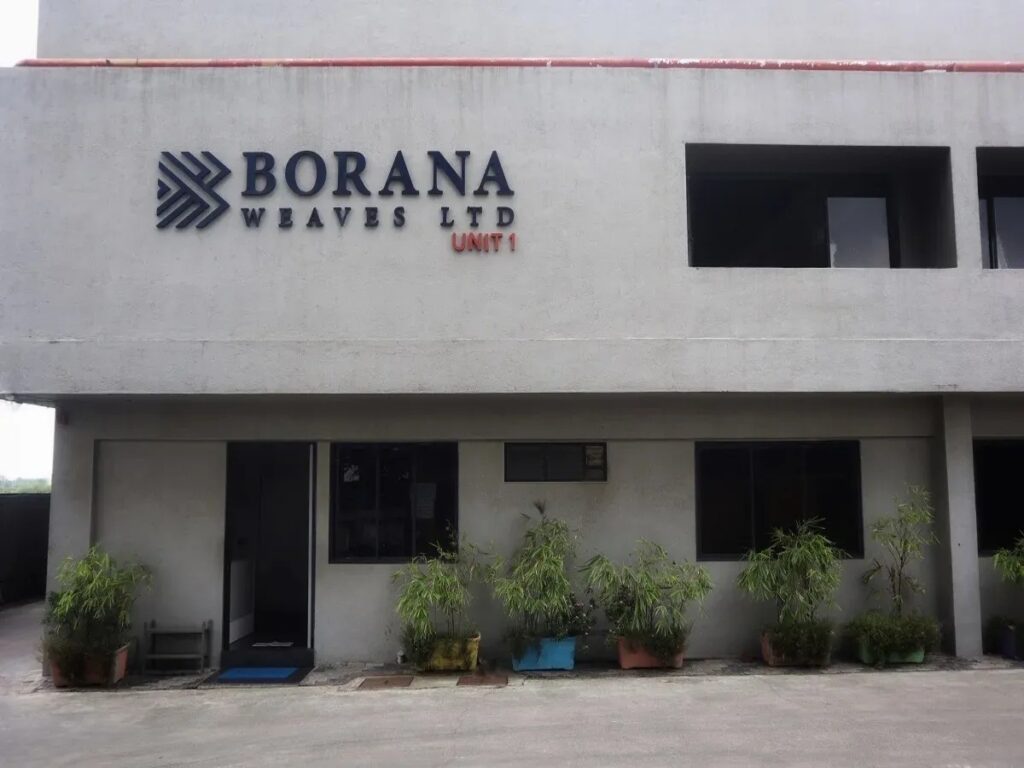
Borana Weaves was incorporated in 2020—pandemic baby, IPO teenager, market favourite adult. The business is straightforward: manufacture unbleached synthetic grey fabric, sell it to processors who dye, print, and make it Instagram-ready. Borana also produces polyester textured yarn, mostly for in-house use, keeping costs under control and margins well-fed.
Financially, this company looks like it drank ROE steroids. Sales grew from ₹42 Cr (FY22) to ₹367 Cr (TTM). PAT grew from ₹2 Cr to ₹58 Cr. That’s not growth; that’s a glow-up.
But this isn’t a pan-India darling yet. The business is hyper-local, buyer-concentrated, and group-heavy in transactions. The IPO money is funding Unit 4, adding 48% capacity—which could either unlock the next leg of growth or test demand elasticity.
So the big question: is Borana a scalable textile compounder—or just a very efficient Surat neighbourhood hero?
3. Business Model – WTF Do They Even Do?
Imagine a textile value chain as a thali. Borana doesn’t cook the curry or garnish it. They make the roti—essential, boring, and ordered in bulk.
Product Mix (6MFY25):
Unbleached synthetic grey fabric – 79%
Polyester textured yarn (in-house) – 20%
Waste sales – 1%
Grey fabric is used across fashion, traditional wear, technical textiles, home décor—basically everywhere except wedding speeches. Borana’s edge lies in scale, utilisation (~80%), and vertical integration via in-house yarn.
Three manufacturing units in Surat run 700 water jet looms, supported by warping, texturising, and folding machines. Now add Unit 4 at Hojiwala Industrial Estate—11.28 crore meters annual capacity, funded by ₹71.35 Cr IPO capex.
Simple business. Capital-intensive. Volume-driven. Margins surprisingly fat. But can this model travel beyond Gujarat without tearing the fabric?
4. Financials Overview – Numbers That Make the Loom Sing