1. At a Glance
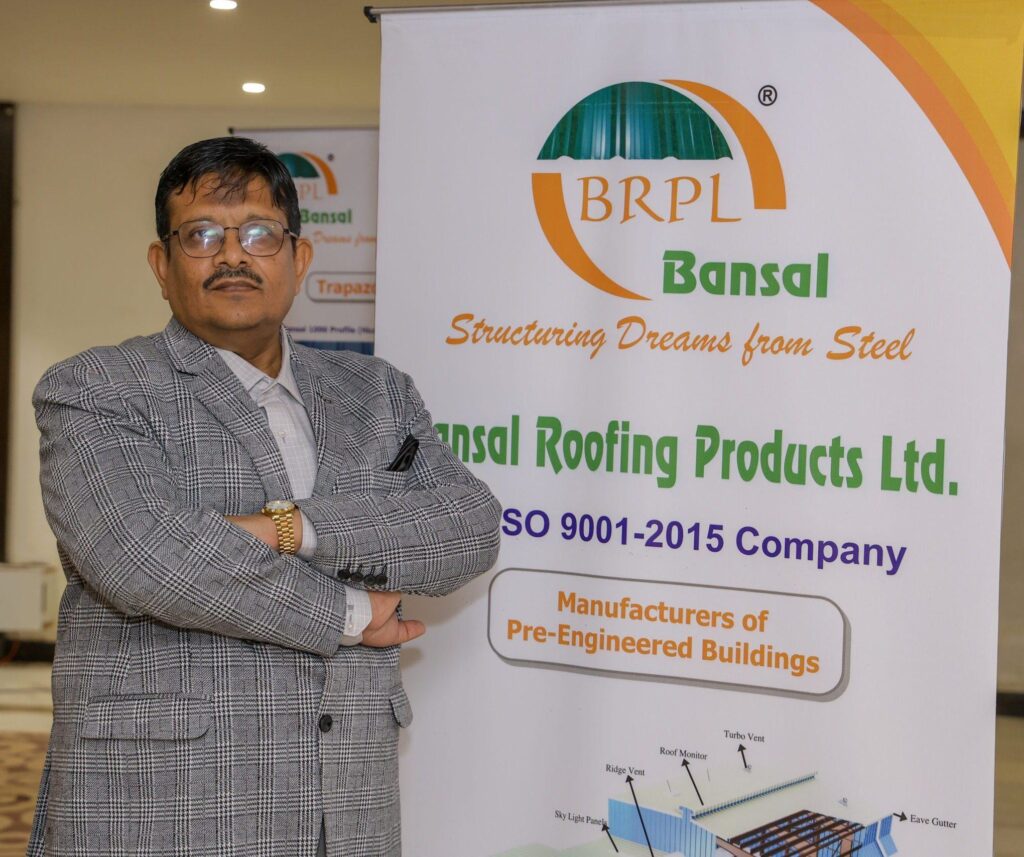
Bansal Roofing Products Ltd is that classic Indian smallcap story where a company starts with tin sheets, survives brutal cycles, avoids leverage addiction, and suddenly wakes up one day with ₹138 Cr TTM revenue, ₹9 Cr PAT, and a 22% ROCE badge on its chest like a proud NCC cadet. Current market cap sits around ₹139 Cr, stock price near ₹105, P/E roughly 15.6x, dividend yield close to 1%, and promoter holding a comfortable 73.3% with zero pledge.
The latest Q3 FY26 numbers (Dec 2025) are spicy:
- Revenue ₹38.7 Cr (+46% YoY)
- PAT ₹3.57 Cr (+58% YoY)
- Quarterly EPS ₹2.71
That’s not a typo. For a company that used to do ₹20–25 Cr quarters not too long ago, this is a clear volume + execution jump. Debt? Almost decorative at ₹1.7 Cr, with interest coverage north of 40x. This is one of those companies where the balance sheet whispers “boring”, but the income statement suddenly shouts “attention!”.
So is this just a one-quarter metal mood swing, or is Bansal Roofing quietly upgrading itself from roofing-wala to infra solutions player? Let’s open the shed door and inspect the steel inside.
2. Introduction – The Accidental Infrastructure Story
Bansal Roofing Products Ltd was incorporated in 2008, right when the global financial crisis was teaching everyone humility. The company didn’t begin with fancy words like “pre-engineered buildings” or “infra solutions”. It started where most Indian industrial stories start – marketing roofing sheets.
Then came the classic Indian promoter thought: “Why only trade? Let’s manufacture.” Roofing sheets and accessories came in-house. Then scale happened. Then clients asked for more. Then suddenly, Bansal Roofing wasn’t just supplying sheets – it was designing, manufacturing, and installing Pre-Engineered Buildings (PEBs).
Today, the company claims 95% in-house manufacturing for PEB components, has completed 125+ projects in India and abroad, and has installed over 1 million square meters of metal sheets. That’s not small contractor energy anymore; that’s structured industrial execution.
What makes this interesting is not just growth, but how the growth has happened:
- No reckless debt binge
- No equity dilution circus post-bonus
- Slow but steady margin
- improvement
- Capacity expansion done in phases, not ego
This is not a flashy infra IPO story. It’s more like a Gujarati business slowly upgrading itself while keeping costs tight and capital discipline intact. The question now is: can this discipline survive scale?
3. Business Model – WTF Do They Even Do?
Imagine explaining Bansal Roofing to a smart but lazy investor.
They design and build metal buildings. Not skyscrapers. Not IT parks. Think factories, warehouses, industrial sheds, logistics hubs, plant structures – places where steel does the heavy lifting and aesthetics politely step aside.
Their core offerings include:
- Pre-Engineered Buildings (PEBs) – the main breadwinner
- Roofing sheets (color coated, deck sheets, polycarbonate, FRP)
- Structural components like Z, C, Sigma purlins
- Accessories like ventilators, PUF panels, uPVC sheets
- Even niche items like touch-less sanitizer stands (COVID memories never die)

The company operates a manufacturing facility in Vadodara, with installed capacity of around 1,400 tonnes per month, which is now being expanded aggressively under Unit-II.
The beauty of the model lies in vertical integration. By manufacturing most components in-house, Bansal Roofing controls:
- Cost volatility
- Quality consistency
- Delivery timelines
Clients include heavy industrial names like Alembic, BHEL, Adani Wilmar, L&T, ABB, Tata Chemicals, GNFC, etc. These aren’t impulse buyers. If they’re repeating orders, execution is doing something right.
So no, this is not a steel trader pretending to be infra. This is a proper PEB manufacturer with increasing complexity and scale.
4. Financials
