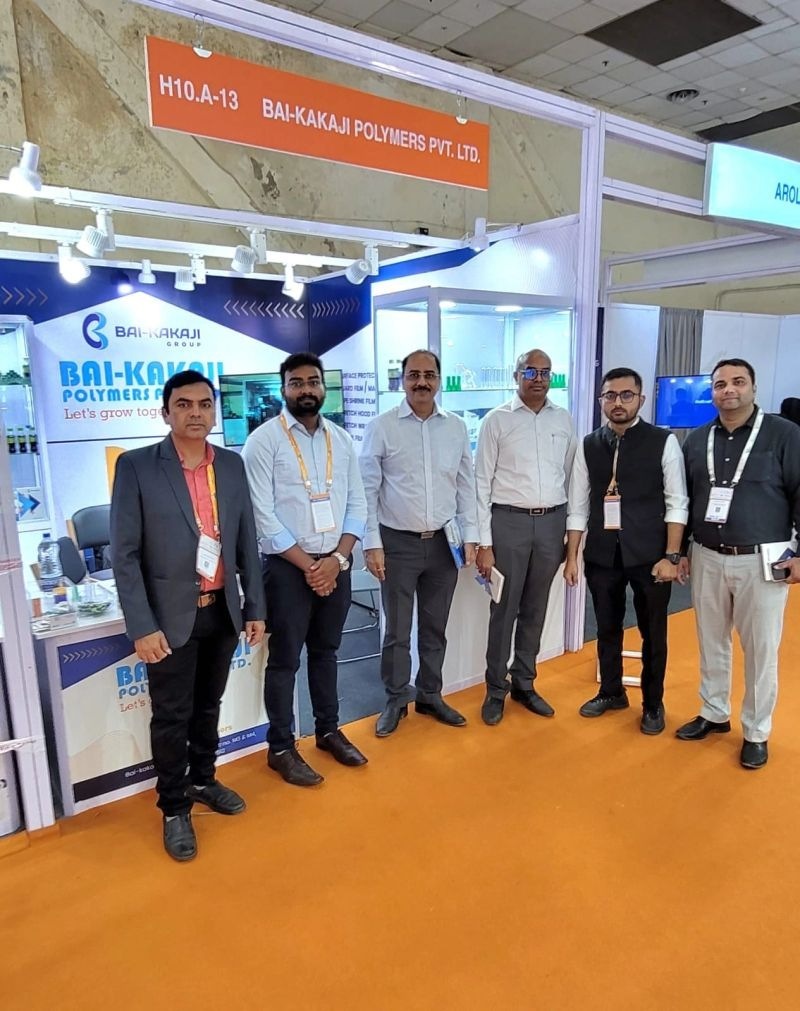
Bai Kakaji Polymers Ltd. Q2 FY26 IPO Special – ₹105 Cr Fresh Issue, 96% PAT Growth, ROE 41%: Plastic Fantastic or Valuation Panic?
1. At a Glance – Blink and You’ll Miss the Plastic
Bai Kakaji Polymers is walking into Dalal Street with a ₹105.17 crore fresh issue, zero OFS drama, and a swagger powered by a 96% PAT growth between FY24 and FY25. Pre-IPO market cap sits at ₹398.12 crore, the price band is stretched between ₹177–₹186, and the promoters are diluting from a full 100% to a still-commanding 73.55%. On paper, this SME IPO looks like that gym guy who suddenly shows up with abs after one summer — impressive, slightly suspicious, but undeniably eye-catching.
The business makes PET preforms, caps, and closures — the unsung heroes of packaged water bottles, fizzy drinks, juices, and dairy products. Basically, if India is thirsty, Bai Kakaji is selling the bottle’s crown. The latest numbers show EBITDA margins crossing 10%, ROE north of 41%, and debt that could give conservative investors mild acidity. Add anchor investors coughing up ₹29.91 crore before the bell rang, and you’ve got an IPO that demands attention, whether you like plastics or not.
But is this a solid manufacturing story or just a well-moulded valuation wrapped in shiny PET? Let’s tear open the cap.
2. Introduction – When Plastic Becomes Dramatic
India loves two things deeply: packaged drinking water and IPOs with spicy growth numbers. Bai Kakaji Polymers sits exactly at that intersection. Founded in Maharashtra’s Latur, this company has quietly built a plastics manufacturing operation that suddenly decided it’s time for public fame.
From FY23 to FY25, revenue has grown steadily, but profits decided to hit the gym in FY24 and came back ripped. PAT jumped from ₹9.38 crore in FY24 to ₹18.37 crore in FY25. That’s not normal linear growth — that’s a glow-up. Naturally, the market squints and asks: “Bhai, sab theek hai na?”
The IPO is entirely fresh capital, which already earns some brownie points. No promoter is cashing out to buy a farmhouse. Instead, the money is earmarked for debt repayment, machinery, solar power, and general corporate purposes — the holy trinity of IPO justifications.
But this is also an SME IPO with high leverage, premium valuation multiples, and a business that operates in a brutally competitive commodity-ish segment. So while the numbers look delicious, the aftertaste needs careful evaluation. Ready to chew?
3. Business Model – WTF Do They Even Do?
Imagine a plastic bottle. Now imagine it naked — no cap, no neck finish, just awkward and unusable. Bai Kakaji Polymers lives in that exact gap.
The company manufactures PET preforms (the test-tube-looking things that later become bottles), plastic caps, and closures. Their customers are industries that sell packaged drinking water, carbonated beverages, juices, and dairy. Basically, if it’s liquid and branded, Bai Kakaji wants to seal it.
They operate four manufacturing units in Latur spread across 33,000 square meters. The machinery list reads like a plastic engineer’s LinkedIn bio: SACMI Continuous Compression Molding, ASB Preform Molding, HUSKY PET Injection Molding, and quality testers that sound very serious and expensive.
This is not a fancy consumer brand. There’s no “premium storytelling” here. It’s pure B2B manufacturing, where scale, efficiency, and client stickiness matter more than Instagram followers. The company claims long-standing customer relationships and consistent financial performance, which is corporate-speak for “clients haven’t dumped us yet.”
But here’s the catch: plastic packaging is competitive, margin-sensitive, and vulnerable to raw material price swings. So execution matters more than PowerPoint optimism. Can they keep running this factory without tripping over debt? Hold that thought.
4. Financials Overview – Numbers That Deserve a Slow Clap (and a Raised Eyebrow)
🔒 Result Type Lock: Half-Yearly Results
Latest financial period available: 30 September 2025 (Half-Year) 👉 EPS annualisation rule applied accordingly (×2)
Financial Comparison Table (₹ Crore)
Metric
Latest Half (Sep 2025)
Same Period Last Year
Previous Period
YoY %
QoQ %
Total Income
168.56
296.42*
332.12
-43.2%
-49.2%
EBITDA
24.35
20.75
33.51
17.4%
-27.3%
PAT
12.81
9.38
18.37
36.6%
-30.3%
EPS (₹)**
~5.99
~5.83
~11.66
2.7%
-48.6%
* FY24 is full year; comparison is indicative ** EPS derived from post-issue equity for consistency
Annualised EPS (Half-Year): ~₹11.98
Now pause. Revenue looks lower because we’re comparing half-year to full-year periods — classic rookie mistake avoided here. What matters is margin resilience and profit trajectory. EBITDA and PAT margins are holding up, which suggests operational efficiency hasn’t vanished overnight.
But quarter-on-quarter softness is visible. Is it seasonality, raw material pricing, or demand hiccups? The dump doesn’t say. So we don’t assume. We only observe — like good auditors with comedy instincts.
So tell me: do you trust half-year numbers more, or do you wait for full-year clarity?
5. Valuation Discussion – Fully Priced or Fairly Packaged?
Let’s slice valuation three ways, like a proper desi thali.
1) P/E Method
Post-IPO EPS: ₹11.97
IPO Price (upper band): ₹186
Implied P/E: ~15.54x
This is not cheap for an SME polymer manufacturer. It’s more “confidence pricing” than “bargain bin.”
2) EV/EBITDA Method
FY25 EBITDA: ₹33.51 crore
Market Cap (post): ~₹398 crore
Debt (FY25): ₹109.27 crore
EV looks chunky. EV/EBITDA comfortably sits in mid-teens territory. Again, not screaming undervaluation.
3) DCF (Conservative Lens)
Using moderate growth assumptions and stable margins, fair value