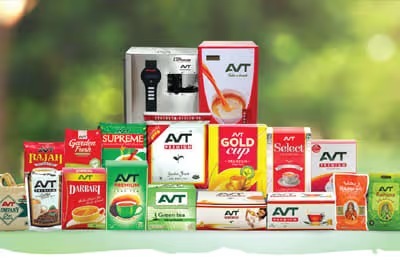
AVT Natural Products (CMP ₹71.3, market cap ₹1,086 Cr) is the herbal chai-patti cousin in the FMCG pack, brewing marigold extracts for your poultry’s bright yellow legs, spice oleoresins for your masala noodles, and instant tea for your late-night Netflix binges. FY24 revenue stood at ₹584 Cr (flat since FY22), with PAT ₹54 Cr and EPS ₹3.6. P/E = 20x, industry inline. ROE = 9.9%, ROCE = 12.8% — not terrible, not inspiring either.
The big red flag? Inventory has piled up to 580 days (₹308 Cr) while debt has quadrupled from ₹25 Cr in FY22 to ₹113 Cr in FY25. Margins hover around 13%. The stock itself has been marigold-colored — bright one season, wilted the next. Last one year return = -18%, but in the last six months, it perked up 32% (chai rally?).
2. Introduction
AVT Natural is part of the A.V. Thomas Group, a South Indian conglomerate that’s been around since your grandfather’s moustache was in fashion. The company specializes in plant-based extracts — basically squeezing marigolds, spices, and tea leaves until every last drop of oleoresin is extracted and sold to food, beverage, nutraceutical, and poultry markets globally.
But life isn’t easy when your main product — marigold oleoresin — depends on farmers, weather gods, and Chinese competitors with subsidies fatter than a government canteen bill. Add El Niño to the mix, and yields fall like Sensex on Budget Day. Result? Revenues declined 8% between FY22 and FY24, mainly due to marigold woes.
Still, the company is trying to diversify:
Tea segment jumped from 22% to 31% share of revenue.
New verticals in derma-cosmetics, nutraceuticals, and bio-crop inputs are being tested.
Partnerships with biggies like Kemin Industries ensure at least some stable revenue.
So is AVT Natural just another “flavor of the season” stock, or can it brew a sustainable growth story?
3. Business Model – WTF Do They Even Do?
Think of AVT Natural as a plant magician: take something you ignore in the backyard, grind it, process it, and sell it to global MNCs who put it in your food, drinks, and even your pet’s feed.
Segments (FY24):
Marigold Oleoresin (34%): Used for eye-care (lutein supplements), food coloring (your McDonald’s burger patty glow), and poultry pigmentation (chicken legs looking “fresh”).
Spice Extracts (32%): Oleoresins & oils of pepper, paprika, turmeric, etc. Flavoring agents for food giants.
Tea (31%): Value-added instant & decaf teas. If you’ve had ready-to-drink iced tea in the US, odds are some came from AVT.
Others (3%): Animal nutrition, agri-inputs. Currently garnish, not the main dish.
Geography Split (FY24):
Americas = 51% (they love their supplements).
Europe = 7% (down from 27% in FY22, blame cheap Chinese supply).