1. At a Glance – Thecha Is Spicy, Valuation Even Spicier
Aveer Foods Ltd is what happens when homemade pickle ambition meets the public markets. Listed at ₹590 with a market cap of ~₹238 crore, this microcap FMCG player is selling pickles, papads, chutneys, sauces, and regional favourites like Thecha, while the stock market sells it dreams at 58× earnings.
Latest quarter (Q3 FY26) delivered ₹35.9 crore sales, up ~31% YoY, and PAT of ₹0.78 crore, up ~28% YoY. Sounds decent, right? But here’s the twist: operating margins are hovering around 6–7%, debt has crept back up to ₹9 crore, and the stock has corrected ~23% in six months.
So yes, revenue is growing, promoters hold 72%, distribution is expanding in Maharashtra, but the valuation is still pricing Aveer like the next Nestlé… while margins behave more like a local farsan shop. Curious? You should be.
2. Introduction – From Mango Pickle to Market Price Shock
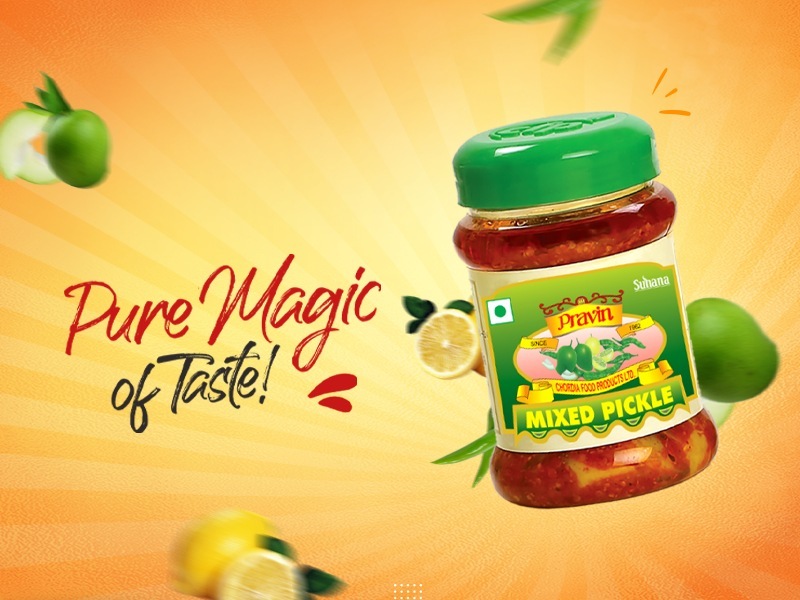
Aveer Foods was incorporated in 2019, but its real birth happened in 2022, when it got demerged from Chordia Food Products and listed separately. Overnight, a regional processed-food business found itself judged every quarter by analysts, algorithms, and retail investors who suddenly care deeply about papad margins.
The company operates in agri-based processed foods—raw mangoes, lemons, tomatoes, spices—turning them into shelf-stable Indian staples. This is not a fancy protein bar or plant-based meat story. This is achar, papad, chutney, ketchup—products your kitchen already understands better than your Excel model.
FY23 revenue crossed ₹98 crore, FY25 TTM sales are now ₹135 crore, and growth has accelerated post-listing. The company is also busy with preferential warrants, acquisitions (Kamal Industries), and
promoter infusions of capital—basically a lot of corporate activity for a company that still earns single-digit margins.
So the big question: is Aveer becoming a serious FMCG brand, or is the stock already priced for that dream?
3. Business Model – WTF Do They Even Do?
Let’s keep it simple. Aveer buys agricultural inputs (mangoes, lemons, spices), processes them, packs them, and sells them as branded products—mostly in Maharashtra.
Key categories:
- Pickles
- Papad (handmade + machine-made)
- Chutneys & sauces
- Ketchups
- Regional specials like Thecha
Distribution is old-school FMCG: distributors, retailers, kirana stores. As of FY23, products were present in ~60% of outlets in Maharashtra, with management ambition to push this to 80%. Papad distribution alone jumped from 18% to 40% in a year.
There’s nothing asset-light or techy here. Inventory cycles matter, working capital matters, and margins depend on raw material prices and scale. In other words, execution matters more than storytelling.
4. Financials Overview – Growth Yes, Margin Meh
Quarterly Comparison Table (₹ crore)
| Metric | Latest Qtr (Dec’25) | YoY Qtr (Dec’24) | Prev Qtr (Sep’25) | YoY % | QoQ % |
|---|---|---|---|---|---|
| Revenue | 35.93 | 27.44 | 38.08 | +30.9% | -5.6% |
| EBITDA | 2.46 | 1.89 | 3.54 | +30.2% | -30.5% |
| PAT | 0.78 | 0.61 | 1.89 | +28.0% | -58.7% |
| EPS (₹) | 1.94 | 1.51 | 4.69 | +28.5% | -58.6% |
Witty takeaway:
YoY looks tasty. QoQ looks like
