1. At a Glance – Blink and You’ll Miss the सरकारी Order Flow
Atishay Ltd is that classic Indian IT microcap which doesn’t scream on CNBC but quietly sends invoices to government departments while retail investors argue about PSU banks on Twitter. Market cap sits around ₹230 Cr, stock price near ₹210, and yes — it has already given ~53% return in 3 months while pretending nothing happened. The company trades at a P/E of ~29.8, below the industry PE of ~42, which in Indian IT language means “not cheap, but not delusional either.”
Q3 FY26 revenue clocked ₹15.45 Cr, PAT came at ₹1.89 Cr, and EPS printed ₹1.72 for the quarter. ROCE is a respectable ~20.4%, debt-to-equity is a chilled-out 0.10, and promoter holding is a rock-solid 75% with zero pledge — the kind lenders and auditors both sleep better with. Dividend yield exists (0.48%) which already makes it more generous than half the smallcap universe.
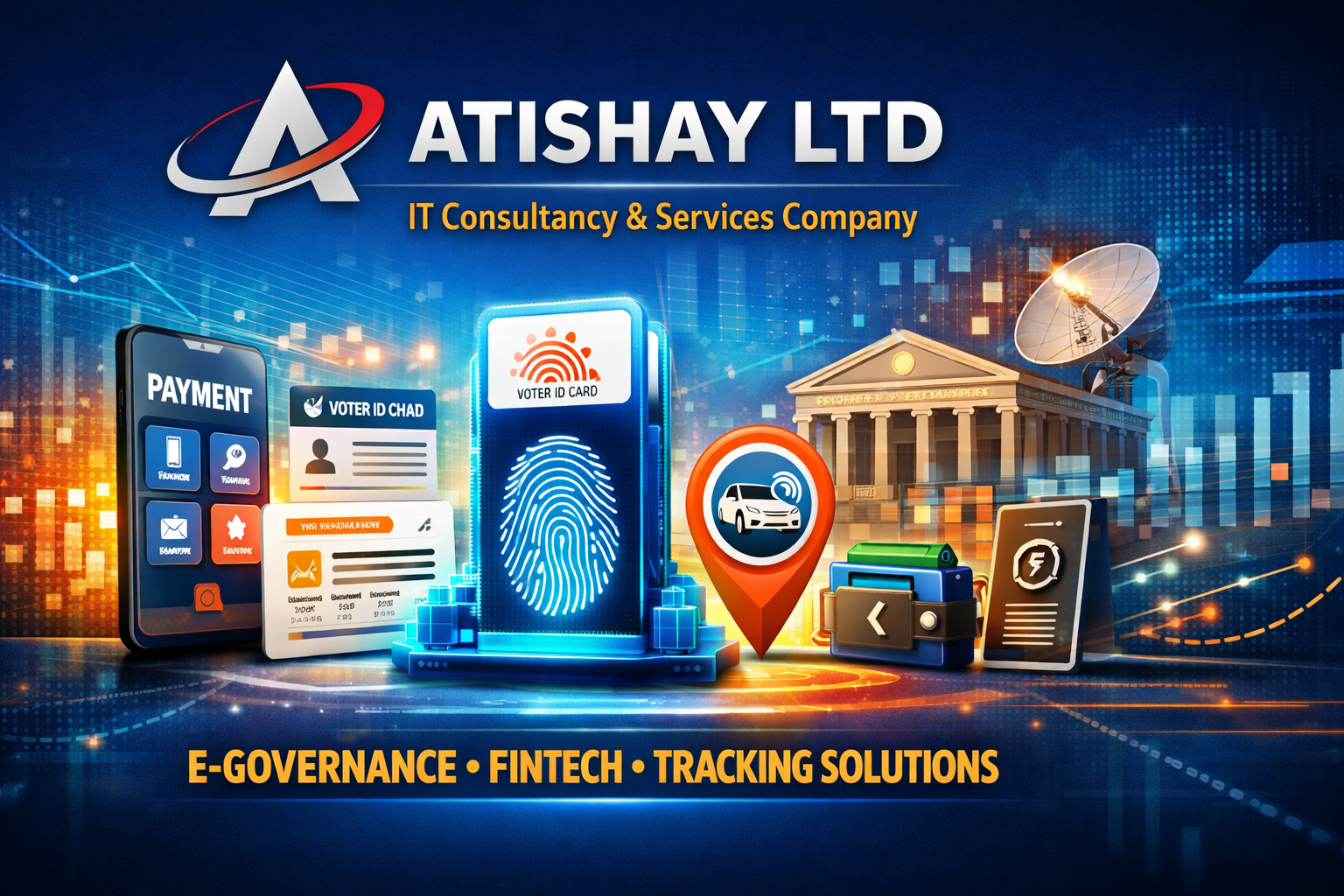
But here’s the spicy part: Atishay isn’t chasing flashy SaaS buzzwords. It is neck-deep in e-Governance, elections, Aadhaar, kiosks, smart classrooms, PVC cards, and fintech rails. Basically, when governments want IT work done without drama, this guy shows up with a laptop and a tender document. Curious already? Good. Let’s go deeper.
2. Introduction – The IT Company That Lives Inside Government Files
If Indian IT had a Bollywood casting, Atishay Ltd wouldn’t be the hero dancing in Switzerland. It would be the bureaucrat-approved consultant who knows how to clear tenders, deploy systems, and survive audits without panic attacks. Incorporated in 1989, Atishay has been around long enough to see floppy disks, dial-up internet, and now biometric attendance — all in one career.
The company operates in that underrated sweet spot: government IT + retail fintech utilities. This means slower glamour, but stickier contracts. Elections don’t get cancelled, Aadhaar doesn’t disappear, and smart classrooms keep getting sanctioned every budget season. That predictability is Atishay’s quiet moat.
What makes Atishay interesting today is timing. After years of modest growth, the last 3 years show ~37% sales CAGR and ~300% profit growth. Yes, that number is inflated by a low base, but money doesn’t care about feelings — only deltas.
Atishay is not a story stock. It is a billing stock. And billing stocks, when government money flows, can suddenly look very attractive. Ever noticed how boring contractors suddenly become “multibaggers” once execution clicks?
So the real question is: is this growth sustainable or just a lucky phase of tender wins? Let’s dissect.
3. Business Model – WTF Do They Even Do?
Explaining Atishay is simple: they build, deploy, integrate, and maintain IT systems where governments and banks don’t want to experiment.
Core Offerings
- E-Governance solutions: electoral rolls, EPIC cards, Aadhaar-linked systems, biometric attendance, PACS digitisation.
- Retail fintech services: kiosks, micro-ATMs, AePS, bill payments, FASTag, DMT — all the boring stuff that actually prints money.
- IT infrastructure & integration: smart classrooms, ICT labs, PVC card printing, cloud hosting.
- Custom software: government-grade software that works even on outdated hardware.
Products with Names (Because Investors Like Names)
- Zapurse – fintech utility platform (AePS, DMT, recharge, banking).
- TrackVec – GPS-based vehicle tracking.
- E-Sahyog – digitisation platform for agriculture cooperative societies.
Roughly ~52% revenue comes from E-Governance and ~48% from retail & others. Translation: half the money comes from government files, half from transactional services.
The brilliance? This model doesn’t depend on user growth like a startup. It depends on orders, execution, and renewals. No CAC drama. No influencer marketing. Just tenders, milestones, and payments.
If this business were a person, it would say: “Sir, file ready hai.”