Apar Industries Ltd Q2 FY26 — ₹5,715 Cr Quarterly Revenue, ₹252 Cr PAT, 8% OPM & a Stock That Forgot It Was a Market Darling
1. At a Glance – Blink and You’ll Miss the Irony
Apar Industries is that overachieving topper who topped every exam for five years straight… and then the market suddenly said, “Beta, thoda correction le lo.” Current price hovering around ₹7,115, market cap ₹28,581 crore, and a glorious -15.4% return in 3 months just to keep long-term investors emotionally grounded.
Latest quarterly numbers? Sales ₹5,715 Cr (+23.1% YoY), PAT ₹252 Cr (+29.8% YoY), OPM steady at ~8%. ROCE still flexing at 32.7%, ROE a respectable 19.5%, debt-to-equity a calm 0.14. Dividend yield at 0.7%—not exciting, but at least management remembers minority shareholders exist.
But here’s the fun part: despite all this, the stock is down ~28% over one year. So either the business suddenly forgot how to manufacture conductors, cables, and oils… or the market just woke up cranky. Which one do you think it is?
2. Introduction – From Electrifying India to Electrifying Valuations
Founded in 1958 by Mr. Dharmsinh D. Desai, Apar Industries has basically been wiring up India before “infrastructure boom” became a PowerPoint buzzword. Conductors, transformer oils, specialty cables—if electrons could vote, Apar would win by a landslide.
Over decades, the company quietly built scale, global reach across 140 countries, and three solid verticals that feed off India’s obsession with electrification, renewables, railways, and transmission upgrades.
Then came FY22–FY25: sales exploded, profits compounded at 43% CAGR over five years, ROCE shot into the 30%+ zone, and institutions piled in like it was a wedding buffet.
And just when everyone started calling it “structural compounder,” the stock corrected hard. Why? Because expectations went to the moon, and gravity still exists.
So the real question isn’t whether Apar is a good business. The question is: how much optimism was already priced in, and how much patience does the market have left?
3. Business Model – WTF Do They Even Do?
Let’s break this industrial beast down without putting you to sleep.
a) Conductors – The Heavyweight Champ (48% of FY25 revenue)
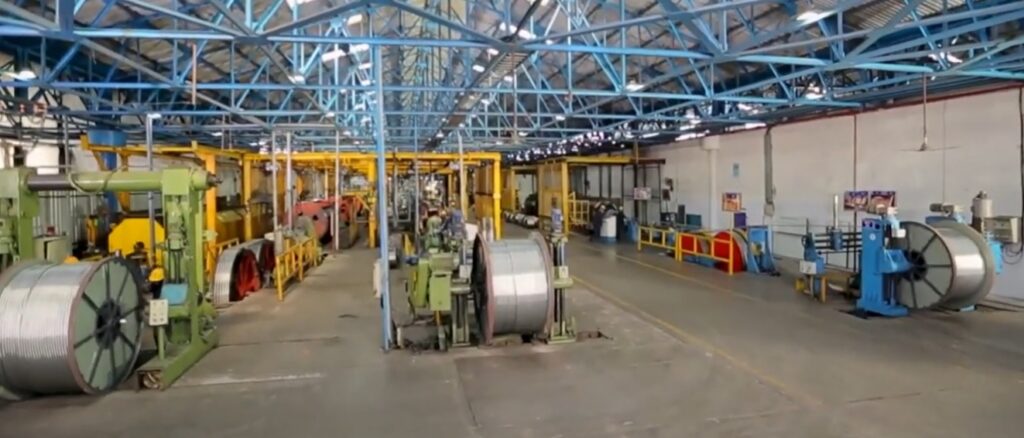
Apar is the world’s largest conductor manufacturer. Yes, world. From boring old aluminium conductors to fancy HTLS and High Efficiency Conductors, they supply the arteries of power transmission.
Sales volume in FY25 hit 2,22,709 MT, realizations improved to ₹430, and order book stood at ₹7,163 crore. Add turnkey T&D projects (165 done, 45 lines completed), and you’ve got scale plus stickiness.
This business thrives on grid expansion, renewable evacuation, railway electrification, and government capex—basically India’s favourite spending hobby.
b) Specialty Oils – The Cash Cow with Greasy Hands (26%)
Transformer oils, white oils, petroleum jelly, process oils—over 350 grades and 500+ variants. Apar controls ~60% market share in transformer oils in India and ranks third globally.
Volumes reached 5,79,642 KL in FY25. Realizations dipped slightly (₹88 vs ₹90), reminding us this is still a commodity-linked business with margin discipline being key.
But global plants (India + UAE) and partner facilities across continents give Apar pricing power and logistics muscle. Also, Poweroil lubricants quietly keep the engine humming.
c) Power & Telecom Cables – The Sexy Growth Engine (25%)
From Vande Bharat trains to submarines, solar farms to fiber optic cables—this segment is where the future lives. Apar is India’s largest exporter of specialty cables and sixth-largest in the organized cables market with ~8% share.
Order book here stood at ₹1,690 crore in FY25, up from ₹1,436 crore. Management targets 25% value growth in FY26. Ambitious? Yes. Impossible? No.
d) Others – The Side Quest (1%)
Polymers and TPEs. Small, but strategically interesting. International expansion underway. Not material today, optionality tomorrow.
So tell me—does this look like a one-trick pony to you?