1. At a Glance – Garbage Never Sleeps
Antony Waste Handling Cell Ltd (AWHCL) is what happens when Indian cities produce garbage faster than politicians produce speeches. Market cap stands at ₹1,601 Cr, stock chilling around ₹564, down ~9% over one year while the company quietly signs ₹1,330 Cr BMC contracts and wins ₹3,200 Cr WtE projects.
FY25 revenue came in at ₹1,010 Cr, Q3 FY26 revenue at ₹262 Cr, with PAT of ₹11.5 Cr, down 27% YoY. Margins softened, interest cost stayed annoying, but operating cash flows remain alive and kicking at ₹190 Cr in FY25.
This is not a sexy SaaS story.
This is trash, trucks, landfills, RDF, and power plants — boring, regulated, sticky, and politically unavoidable.
And yes, that’s exactly why this company exists.
2. Introduction – India’s Garbage Problem Is Antony’s Business Model
India doesn’t recycle.
India outsources its guilt.
That’s where Antony Waste walks in — helmet on, compactor ready, contract signed for 7 to 23 years.
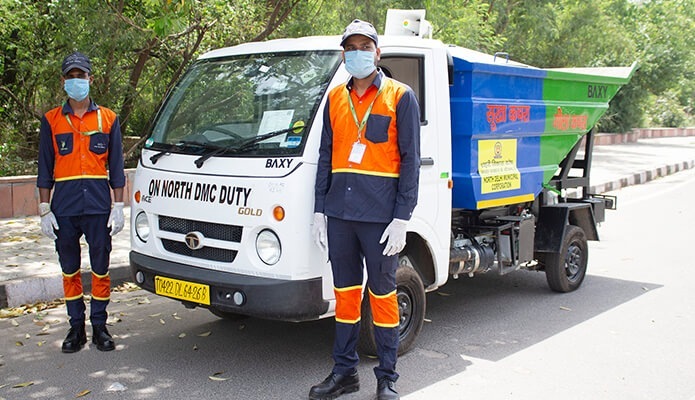
With ~20 years of operating history, Antony has quietly become one of the top five MSW players in India, managing 1.33+ million tonnes of waste annually, operating 2,599 vehicles, and employing 10,555 people whose job is to deal with what the rest of us flush away.
The real moat isn’t technology.
It’s municipal inertia + long contracts + political pain to replace operators.
Ask yourself:
When was the last time a city smoothly replaced its garbage contractor without chaos?
Exactly.
3. Business Model
– WTF Do They Even Do?
Let me explain Antony like you’re smart but lazy.
Step 1: City creates garbage
Step 2: City panics
Step 3: Antony signs a 7–23 year contract
Step 4: Antony collects garbage, processes it, burns some of it, buries the rest
Step 5: Antony sends monthly bill
Step 6: City delays payment
Step 7: Antony still survives
Core Segments (FY25 mix):
- MSW Collection & Transportation – 61%
- MSW Processing – 27%
- Contracts & Others – 12%
The magic is in DBOOT projects — Design, Build, Own, Operate, Transfer.
These contracts run 20+ years, meaning:
- Predictable revenue
- Heavy capex
- Long payback
- Zero excitement
- High survivability
Basically, infrastructure monk mode.
4. Financials Overview – Numbers Don’t Lie, But They Do Smell
Financial Comparison Table (₹ Cr)
| Metric | Latest Qtr (Dec FY26) | YoY Qtr (Dec FY25) | Prev Qtr (Sep FY26) | YoY % | QoQ % |
|---|---|---|---|---|---|
| Revenue | 262 | 243 | 258 | 7.8% | 1.6% |
| EBITDA | 43 | 52 | 51 | -17.3% | -15.7% |
| PAT | 15 | 18 | 17 | -16.7% | -11.8% |
| EPS (₹) | 4.05 | 5.55 | 4.81 | -27.0% | -15.8% |
Annualised EPS (Q3 Rule)
Average EPS (Q1–Q3 FY26) ≈ ₹5.04
Annualised EPS ≈ ₹20.2
Current P/E ≈ 28x annualised
