Amkay Products Ltd H1 FY25 – ₹23 Cr Half-Year Revenue, ₹1.97 Cr PAT, Inventory Bloated to 113 Days & SME Healthcare Drama Unpacked
1. At a Glance – The Doctor Is In, But the Pharmacy Is Crowded
Amkay Products Ltd is that classic SME healthcare story where the stethoscope looks shiny, the bandages are selling, but the storeroom is starting to look like a government hospital godown. With a market capitalisation of roughly ₹69.7 crore and a current price hovering around ₹80.5, the stock has gone full gym-bro mode recently—up around 61% in three months and 75% in six months—while quietly whispering, “Don’t ask too many questions about working capital.” The company trades at a P/E of ~20, lower than the industry average of ~42, which at first glance makes it look like a discount pharmacy. Return ratios are respectable for an SME healthcare name: ROCE ~16.9%, ROE ~14.8%, and debt-to-equity is a polite 0.07. Latest half-year results (H1 FY25) show sales of ₹23.01 crore and PAT of ₹1.97 crore, continuing the profit streak but also flashing warning lights on inventory and cash flow. This is not a dying company. This is also not a clean saint. It’s somewhere in between—like a nurse who knows the injections well but keeps misplacing the files. Curious already? Good. Keep reading.
2. Introduction – From Lancets to Listing, Welcome to SME Healthcare Circus
Amkay Products Ltd was incorporated in 2007, long before healthcare became a stock market buzzword and well before every company discovered the joy of selling “medical disposables.” Over the years, Amkay quietly built a portfolio of everyday healthcare products—face masks, alcohol swabs, lancet needles, thermometers, nebulizers, BP monitors, and other things you only notice when you’re sick.
The company claims a strong positioning in blood lancet needles, being the largest manufacturer of steel and plastic lancets in India, supported by 50+ SKUs and a distribution network of over 1,000 distributors. That’s not a joke number for an SME. Add exports to Nepal, Sri Lanka, Myanmar, UAE, parts of Africa and Russia, and suddenly this isn’t just a local chemist supplier.
In May 2024, Amkay stepped onto the BSE SME platform via an IPO, followed by a generous bonus issue in FY24 (22:1). Promoters still hold over 73%, which tells you they haven’t run away with the syringe tray yet.
But numbers don’t lie, they only cough politely. Sales growth over five years is a modest ~7.8%, working capital days have ballooned past 100, and operating cash flows remain negative. So the question becomes: is Amkay a slow-and-steady healthcare compounder… or a warehouse-full-of-products waiting for demand to catch up?
Let’s dissect it like a medical student with a sense of humour.
3. Business Model – WTF Do They Even Do?
Imagine explaining Amkay to a lazy but intelligent investor who just woke up from a post-lunch nap.
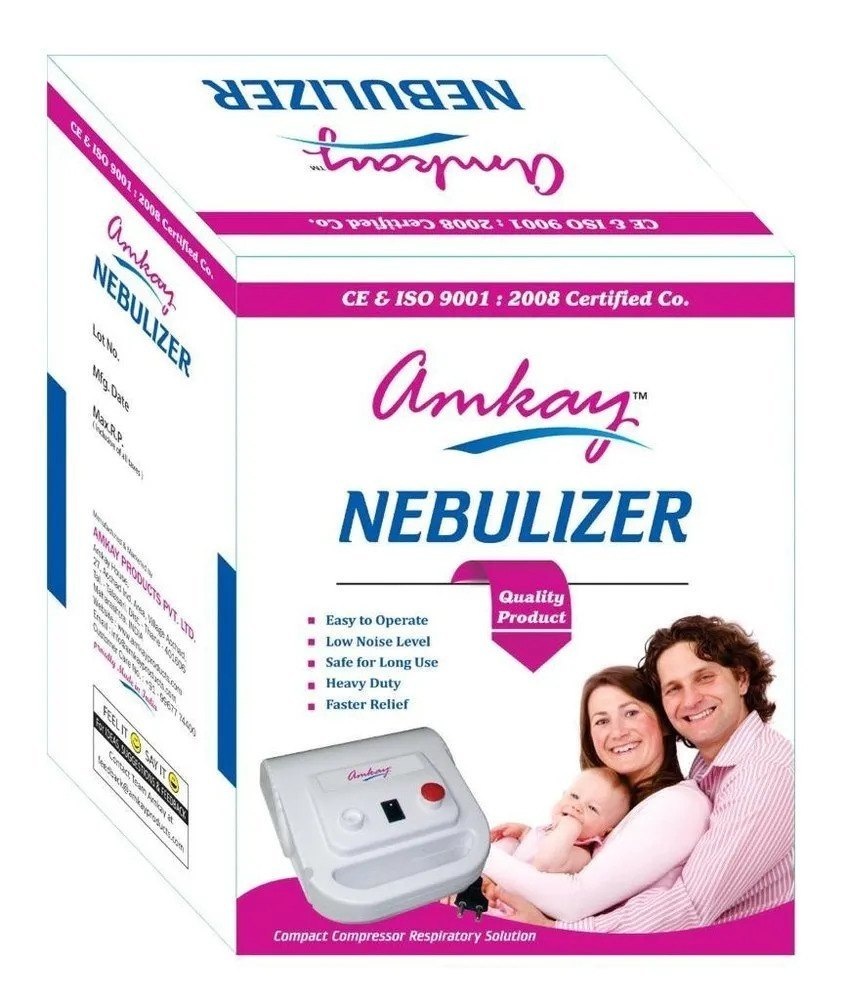
Amkay manufactures and sells healthcare products that are boring, essential, repeat-use, and absolutely non-glamorous. No fancy robotic surgery devices here. Think lancets that prick your finger, swabs that smell like alcohol, BP monitors that judge your lifestyle silently, and nebulizers that scream at 3 a.m. during asthma season.
The business is divided broadly into:
Medical Devices
Medical Disposables
Home Care Products
Medical Kits & Surgical Items
Diapers (yes, healthcare is a full life-cycle business)
Manufacturing happens at two units in Thane, Maharashtra. Products are sold under the “Amkay” brand to hospitals, clinics, nursing homes, distributors, and overseas partners. FY24 revenue breakup shows ~77% from manufactured products, ~19% from traded products, and ~4% from other income.
This mix matters. Manufactured products usually carry better margins and control, while traded products boost topline but can mess with working capital. Guess which one is biting Amkay right now?
The moat, if any, lies in scale within a niche—blood lancets—and a wide distribution network. But this is still a brutally competitive space with low switching costs. Hospitals don’t fall in love with brands; they fall in love with credit periods.
So yes, the business is real, demand is real, but pricing power is… let’s say “under anesthesia.”
4. Financials Overview – Half-Yearly Numbers Under the Microscope
Result Type Detected: Half-Yearly Results (H1 FY25) EPS Annualisation Rule Applied: Latest EPS × 2
Half-Yearly Comparison Table (₹ Crore)
Source table
Metric
Latest H1 FY25
H1 FY24
Previous H2 FY24
YoY %
QoQ %
Revenue
23.01
17.84
20.55
28.98%
11.97%
EBITDA
2.97
2.39
1.74
24.3%
70.7%
PAT
1.97
1.83
1.51
7.65%
30.5%
EPS (₹)
2.28
2.11
1.74
8.1%
31.0%
Annualised EPS (Half-Yearly): ₹2.28 × 2 = ₹4.56
Now the fun part. Revenue growth is strong, nearly 29% YoY, which is solid for an SME healthcare manufacturer. EBITDA jumped sharply QoQ, suggesting margin recovery after a softer previous half. PAT growth, however, is much slower YoY—just ~7.6%. Translation: costs, depreciation, and tax gymnastics are doing their own thing.
EPS growth exists, but it’s not sprinting. The business is expanding, but efficiency is jogging, not running. Does this worry you, or do you think scale will fix it? Comment section awaits.