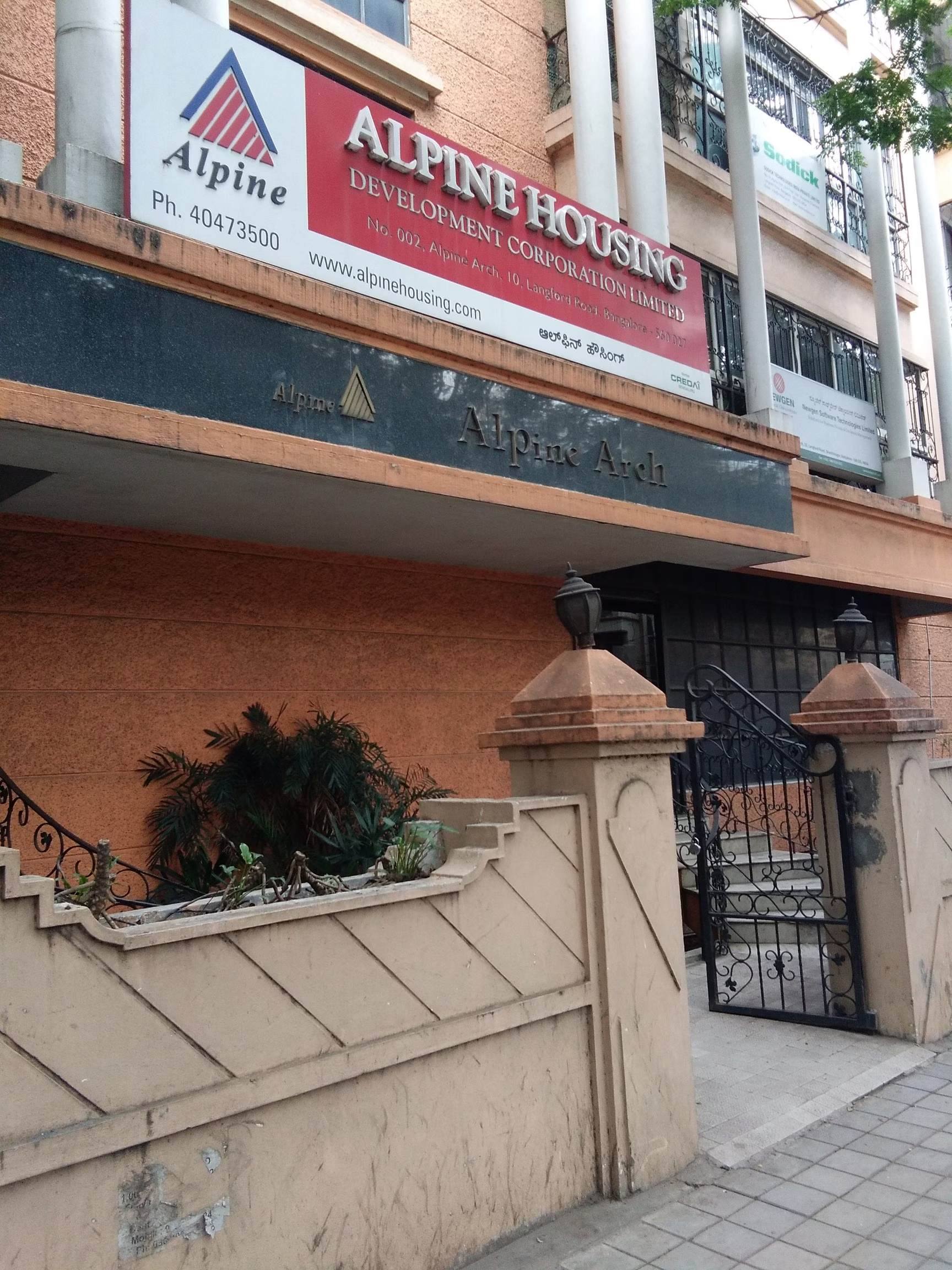
Alpine Housing Development Corporation Ltd Q2 FY2025–26: When Sleepers, Skyscrapers, and Spreadsheets Collide at ₹1,527.6 Lakh Revenue and ₹86.52 Lakh Profit Before Tax
1. At a Glance
Alpine Housing Development Corporation Ltd — a 1992-born Bangalore-based developer that insists on building both homes and railway sleepers — reported a rather charming Q2 FY2025–26 with revenue of ₹15.28 crore and PAT of ₹0.69 crore, up 32.7% YoY, like a train that finally left the station on time. The market cap stands at ₹206 crore, and the stock trades around ₹119, which is halfway between “cheap smallcap” and “delusional value trap.”
Its P/E ratio of 38.5x screams optimism louder than a real estate salesman at a Sunday open house, while ROE of 6.3% and ROCE of 8.6% whisper mediocrity into the mic. Over five years, the sales growth has trudged along at 7.86%, but PAT grew 79% TTM, thanks to improved execution and lower interest burden.
Debt is under control at ₹12.9 crore, giving it a Debt-to-Equity of 0.15 — rare restraint for an Indian builder. But hold your applause — the debtors at 248 days mean Alpine basically operates a “Buy now, pay when you remember” business model.
So, what’s this strange creature? A developer who also manufactures concrete railway sleepers for Central Railways and still finds time to launch residential projects like Alpine Eco and Alpine Pyramid. It’s as if a civil engineer decided, “Why choose between real estate and railways when you can do both… slowly?”
2. Introduction
Alpine Housing is that quiet kid in the backbench of the real estate class — not a headline grabber like DLF or Godrej Properties, but still passing every exam. The company builds housing projects around Bangalore and South India, develops joint ventures, and simultaneously supplies concrete sleepers to Indian Railways from its Wadi (Gulbarga) unit.
Its latest quarter looked like a polite comeback. Sales jumped 53.6% YoY and profits climbed 32.7%, showing that maybe, just maybe, Alpine is learning to run its housing and sleeper businesses without tripping over either.
But don’t mistake it for a rocketship — its P/E of 38.5 is higher than Lodha’s, despite Lodha selling apartments in the sky and Alpine selling both apartments and railway parts. Investors clearly love a story that mixes “urban housing” with “rural railway orders.”
The stock has delivered a 51.5% return in 5 years, but only 0.13% in the last 12 months, basically moving like Bengaluru traffic — exciting in spurts, but mostly idle.
So, if you ever wanted to invest in something that builds houses by day and supplies to Indian Railways by night, Alpine Housing is your oddly diversified cousin in the realty family.
3. Business Model – WTF Do They Even Do?
Let’s decode this double-life. Alpine Housing’s business model runs on three legs, each limping differently:
Construction & Property Development: The company has executed projects like Alpine Eco, Viva, Fiesta, Kensington, Arch, and the ever-optimistic Alpine Pyramid — because why build square buildings when you can aim for Egyptian aesthetics?
Alloys & Iron Castings: They also make SG and Grey Iron Castings — not to be confused with casting for Bollywood. These are industrial products used in railway and engineering infrastructure.
Concrete Railway Sleepers: From their Wadi factory, they supply concrete sleepers to Central Railways, Mumbai, currently executing ₹75 crore+ worth of orders over two years.
To make it spicier, Alpine has signed Joint Development Agreements for:
6.5 acres at Hormavu, Bangalore
15 acres with Milestone Buildcon Pvt Ltd on a revenue-sharing model
In short: 60% construction, 12% manufacturing, and 28% juggling multiple projects while hoping nobody asks about cash flows.
Revenue mix FY23 — Flats & Other Sales (86%), Finished Goods (12%), Lease Rentals (2%) — proves it’s still a real estate core story with a railway flavour.
4. Financials Overview
Let’s crunch Q2 FY2025–26 (Sep 2025) versus the same quarter last year and previous quarter.
Source table
Metric
Latest Qtr (Sep’25)
YoY Qtr (Sep’24)
Prev Qtr (Jun’25)
YoY %
QoQ %
Revenue
15.28
9.95
17.32
+53.6%
-11.8%
EBITDA
1.56
1.45
1.26
+7.6%
+23.8%
PAT
0.69
0.52
0.54
+32.7%
+27.8%
EPS (₹)
0.40
0.30
0.31
+33.3%
+29.0%
Commentary: The topline jumped like a Bangalore house rent — 53% YoY — but QoQ revenue dipped as some project recognition shifted. Profit margins remained resilient, with OPM around 10%, typical for mid-tier builders juggling multiple segments. PAT margin at 4.5% shows this company can squeeze profits even from railway sleepers.
Annualized EPS = 0.40 × 4 = ₹1.60, giving a P/E of ~74.3x on that basis — but that’s smallcap math; nobody said logic applies.
5. Valuation Discussion – Fair Value Range Only
We’ll keep this academic and bloodless (as SEBI prefers).
(a) P/E Method: Industry average P/E ≈ 33.9 Alpine EPS (TTM) = ₹3.05
→ Fair Value = 3.05 × (25–35) = ₹76 – ₹107
(b) EV/EBITDA Method: EV = ₹217 Cr EBITDA (TTM) = ₹9.54 Cr EV/EBITDA = 22.7x Peers trade at 18–24x, so normalized fair EV/EBITDA band → ₹180–₹220/share