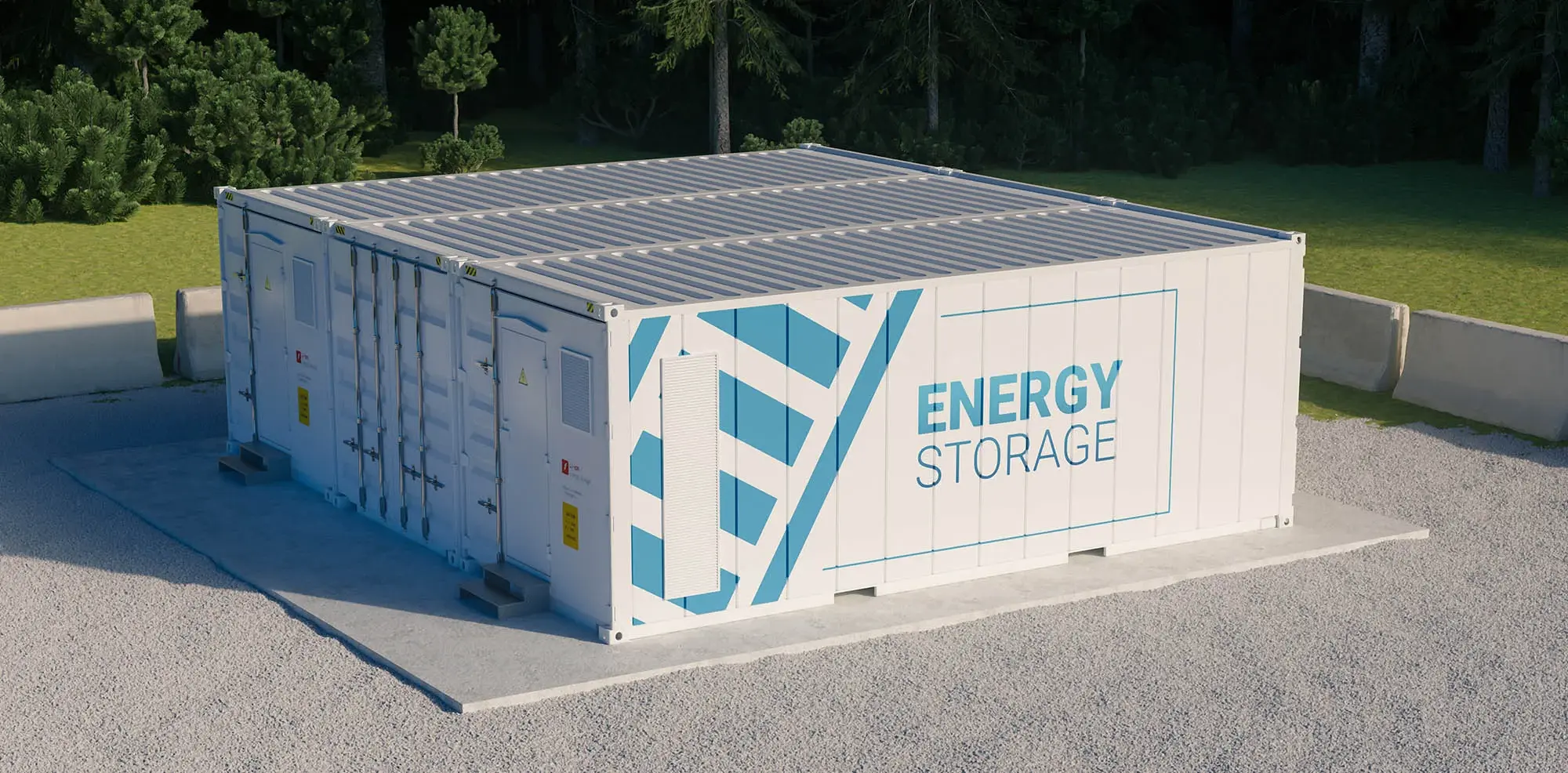
⚡ Intro: What Is BESS and Why Are Companies Obsessed?
Imagine you bought solar panels and proudly told your neighbors you’re saving the planet. But then came a cloudy day. No sun. No power. You text your solar panel like a clingy ex—“Hey, wyd?” But it ghosted you. That, my friend, is the renewable energy problem.
Enter BESS: Battery Energy Storage System.
It’s the giant backup generator, power bank, and stabilizer rolled into one… for the grid. When the sun shines or the wind blows, BESS stores that extra juice. And when darkness or peak demand hits, it discharges power like Thor’s hammer.
India wants 500 GW of non-fossil capacity by 2030. But what’s the use of generating clean energy if we can’t store it? BESS is the clutch player of the decarbonization endgame.
🔋 How Does BESS Work?
Oversimplified Analogy:
Imagine your house is a disco. Solar panels are the DJ (producing energy), but the party starts only at night when DJ is off-duty. So, you hire BESS as the afterparty DJ, storing beats during the day and dropping them post-sunset.
Technically Speaking:
- BESS captures electricity when generation exceeds demand
- Stores it chemically in lithium-ion or flow batteries
- Discharges it back to the grid or facility during peak demand
- Can also provide grid services like frequency regulation, voltage support, and black start capabilities
Key Components:
- Battery Modules (lithium-ion most common)
- Inverter (AC/DC conversion)
- Energy Management System (the smart brain)
- Thermal Management (to keep it cool under pressure)
📈 Why BESS Is Gaining Traction in India
- Grid Instability: Renewables are intermittent. You can’t make the sun work 9 to 5.
- Peak Demand Chaos: Demand spikes in evenings when solar power fades out.
- EV Growth: Electric Vehicles need charging infra that doesn’t crash the grid.
- Climate Targets: India’s commitment to net-zero by 2070 requires storage.
- Policy Push: GOI offers Viability Gap