GLEN Industries FY26: Revenue Climbs 22% to ₹203 Cr, Profit Slips 9%, and an Expansion That Keeps Rescheduling Its Own Birthday
Spotted a factual error — a wrong number, date, or fact? Tell us and we will check the source.
General information and entertainment, not investment advice. The author is not a SEBI-registered adviser or research analyst. No recommendation, no promised returns. Markets carry risk including loss of capital. Figures may not be current. Consult a registered adviser before acting.
1 — At a Glance
Here is a company that grew revenue from ₹166 Cr to ₹203 Cr — a 22% jump — and ended the year with less profit than it started with. PAT fell from ₹18.22 Cr to ₹16.5 Cr, a 9% dip. The headline growth and the shrinking profit sit in the same annual report, staring at each other.
The reconciling fact is margin. Operating margin, which touched 24% in FY25, settled back to 18% in FY26. Management framed this as a return to a sustainable band rather than a stumble — a claim worth holding up against the numbers as they land.
Then there is the balance sheet, which quietly doubled in complexity: equity capital went from ₹17.56 Cr to ₹32.2 Cr, cash ballooned from ₹2 Cr to ₹33.8 Cr, and a ₹12 Cr slug of capital work-in-progress appeared where there was almost none. Something large is being built. The company also spent the year telling the exchange, repeatedly, that it would be finished later than promised.
For a BSE SME manufacturer of food containers and straws, this is a busier year than the sleepy product line suggests. The teaser: a company scaling revenue while its own margin, its share count, and its construction timeline all keep moving under it.
2 — Introduction
Glen Industries Limited began life in 2007 as Glen Stationery Private Limited and pivoted, around 2019, into food-grade packaging. It now makes thin-wall food containers, PLA straws, and paper straws out of a 90,000 sq. ft. facility at Dhulagarh, Howrah, in West Bengal, selling into HoReCa, QSR, food-and-beverage, and dairy customers across India and, per the presentation, 30-plus countries.
The company listed on the BSE SME platform on July 15, 2025, raising ₹63 Cr through a fresh issue earmarked for a new manufacturing facility and general corporate purposes. That IPO is the through-line for most of what changed on the balance sheet this year — the fresh equity, the parked cash, the fixed deposits, and the construction now underway all trace back to it.
The FY26 results, audited by Tosniwal & Associates with an unmodified opinion, were approved by the board on May 27, 2026. Alongside them came a business update, an investor presentation, and a concall in which management spent considerable time explaining why margins look the way they do. Since listing, the company has moved from a capacity-constrained operation running its existing lines hard to one mid-way through a capacity expansion it describes as a step-change in scale.
The dominant recent event, though, is not a result — it is a postponement, disclosed as recently as June 30, 2026.
3 — Business Model: WTF Do They Even Do?
They make the plastic tub your biryani travels home in, and the straw your neighbourhood café switched to when single-use plastic got awkward.
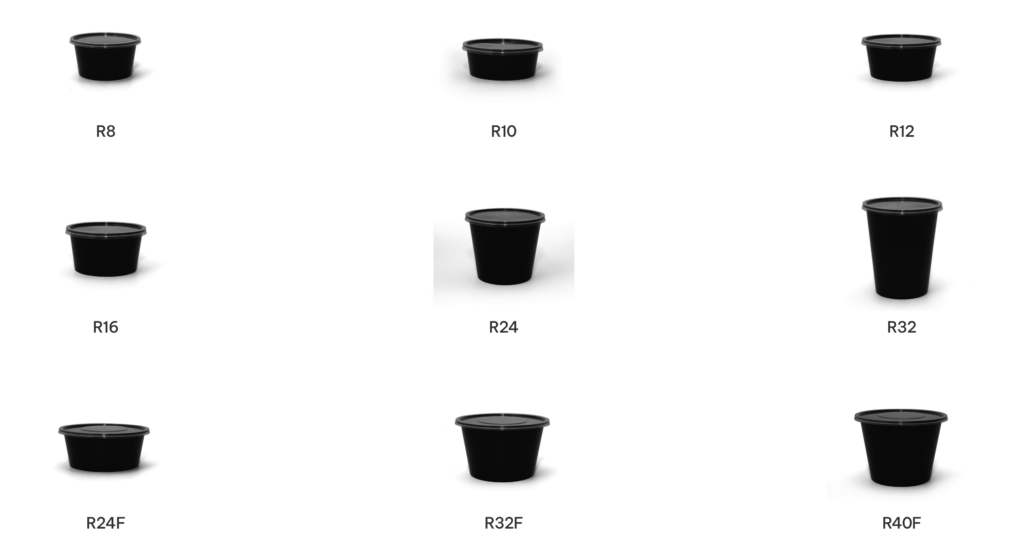
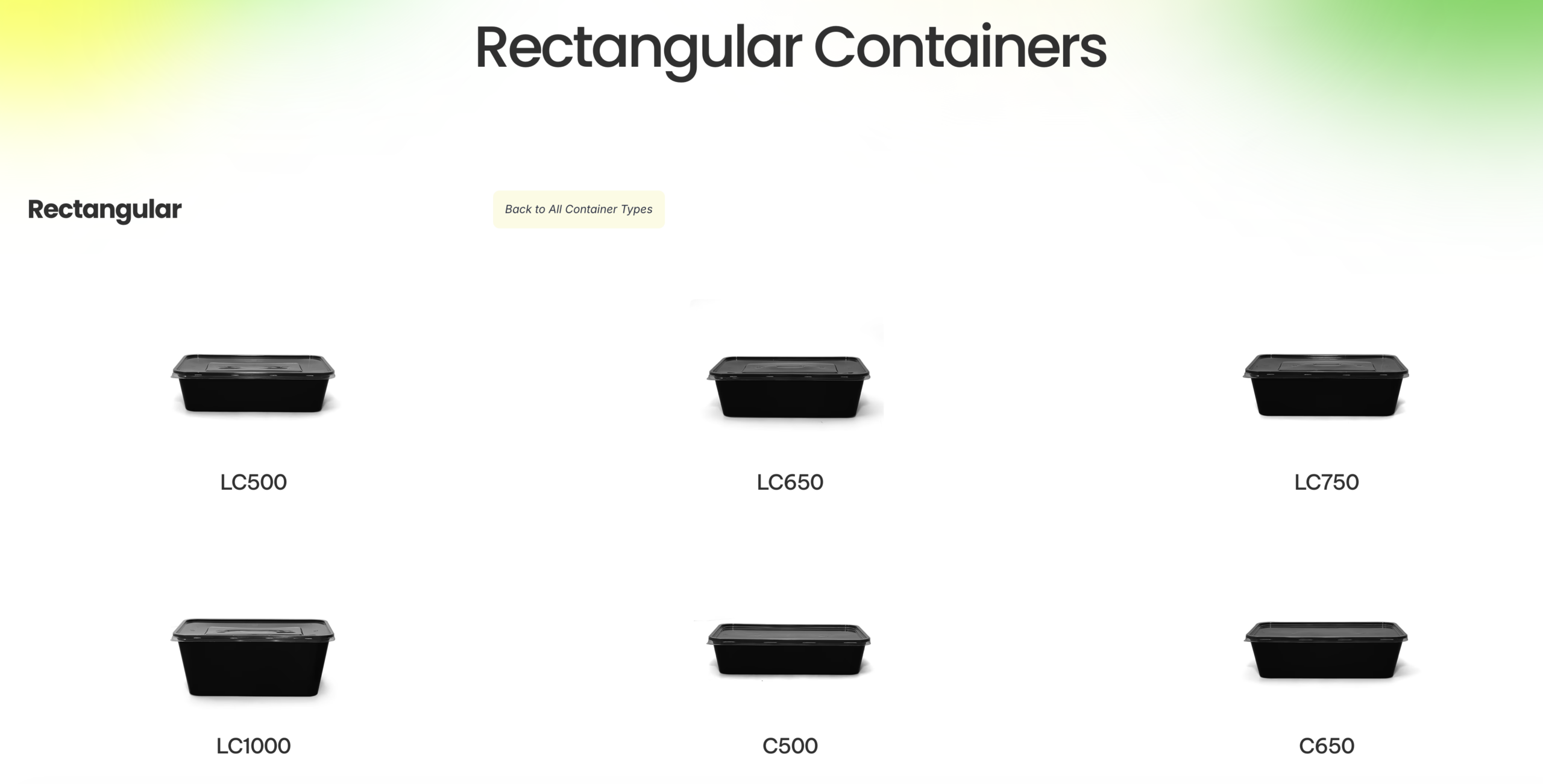
More precisely: thin-wall food containers dominate, at roughly 83% of FY26 revenue per the presentation — injection-moulded tubs, bowls, dome-lids, meal trays, and buckets ranging from a 25 ml sauce cup to a 4,500 ml bucket. PLA straws (made from corn starch and sugarcane) and paper straws make up most of the rest, at about 17% combined, with a rounding-error sliver from mould-design services. It is a portfolio built almost entirely on one leg: containers carry the business, and the two straw lines ride along.
The economics are those of a converter. Management was blunt about it on the call: raw-material price moves — polypropylene for containers, PLA resin for straws — get passed through to customers, so absolute margin stays intact while the percentage margin bounces around as the denominator swells or shrinks. When polymer got expensive, the reported margin optically compressed even though, by their account, the rupee margin held.
The straw lines tell their own story through the capacity numbers. Thin-wall containers ran at 78% utilisation in FY26; PLA straws at 28%, paper straws at 34%. Management’s defence is that straws are seasonal — beverage-driven, peaking for four-odd months a year — so annualised utilisation structurally won’t top ~35%, and the segment is margin-accretive anyway. Whether one buys that framing, the containers are plainly the engine and the straws are the sustainability garnish.
Does a business where one product line is 83% of revenue call it focus, or call it a single point of failure?
4 — Financials Overview
Figures are consolidated, in ₹ crore. The latest reported period is the half-year ended March 2026 (H2 FY26).
Metric
H2 FY26
YoY (H2 FY25)
Prev Half (H1 FY26)
Sales
108
87
96
Operating Profit
18
23
19
PAT
8
10
8
EPS (₹)
3.41
5.53
3.45
Revenue in the half rose about 24% year-on-year, while operating profit fell from ₹23 Cr to ₹18 Cr and PAT slipped roughly 16%. The top line expanded and the profit line contracted in the same six months — the