Race Eco Chain FY26: Revenue Crossed ₹600 Cr on a 2.3% Operating Margin — and the CFO Chair Changed Twice
Spotted a factual error — a wrong number, date, or fact? Tell us and we will check the source.
General information and entertainment, not investment advice. The author is not a SEBI-registered adviser or research analyst. No recommendation, no promised returns. Markets carry risk including loss of capital. Figures may not be current. Consult a registered adviser before acting.
1 — At a Glance
Race Eco Chain closed FY26 with consolidated revenue of ₹619 crore, up from ₹555 crore a year earlier. Net profit reached ₹6.76 crore. Sitting between those two numbers is the entire story: an operating margin of roughly 2.3%, which means the company keeps about two rupees of operating profit for every hundred rupees of goods it moves.
The profit line grew faster than sales — PAT rose from ₹3.89 crore to ₹6.76 crore — but ₹4.97 crore of FY26’s ₹9.17 crore pre-tax profit came from Other Income, a figure that jumped from under ₹1 crore the previous year. Borrowings climbed to ₹90 crore against a net worth of ₹74 crore.
Around the numbers, the year was busy in other ways: a GST search at the Noida office, two CFO changes inside three weeks, a proposed three-way demerger, and a CRISIL rating carrying the “Issuer Not Cooperating” tag. The market pays about 28x earnings for all of it.
What does a business earning ₹6.76 crore on ₹619 crore of revenue actually own — margin, or momentum?
2 — Introduction
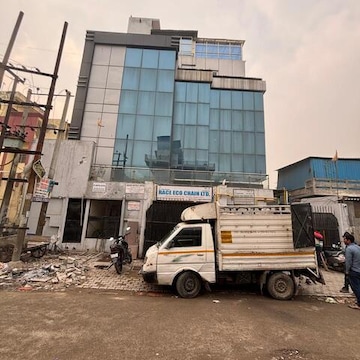
Race Eco Chain was incorporated in 1999. Per CRISIL’s record, control changed hands in 2018 when Dinesh Parikh acquired a major stake and took over management. The company today aggregates plastic (PET) and biomass waste, supplies it to recyclers, and manufactures recycled home-furnishing products under the brand “Restore.”
The headline activity, though, is trading. On the standalone books, Purchase of Stock-in-Trade of ₹367 crore sits against ₹382 crore of revenue — the company buys waste and sells waste, keeping a thin slice in between. That structure defines nearly every ratio that follows.
FY26 added corporate machinery on top of the core. The company acquired 561,000 shares of Ganesha Recycling Chain Private Limited for ₹5.61 crore, incorporated a 51%-owned subsidiary (Grassland Private Limited) on 9 March 2026, and entered a strategic partnership with Ganesha Ecosphere, described in its presentation as India’s largest PET recycler. The board has also proposed splitting the company into three listed entities. For a business with a ₹192 crore market cap, that is a lot of moving parts.
3 — Business Model: WTF Do They Even Do?
Three segments carry the load. The Recycle Division is the giant — ₹601 crore of consolidated segment revenue in FY26, roughly 97% of the total. Restore (recycled bags and furnishings) contributed ₹9.88 crore, and Biomass ₹8.27 crore. So when anyone describes Race as a diversified circular-economy platform, the arithmetic gently notes that one division is the company and the other two are rounding.
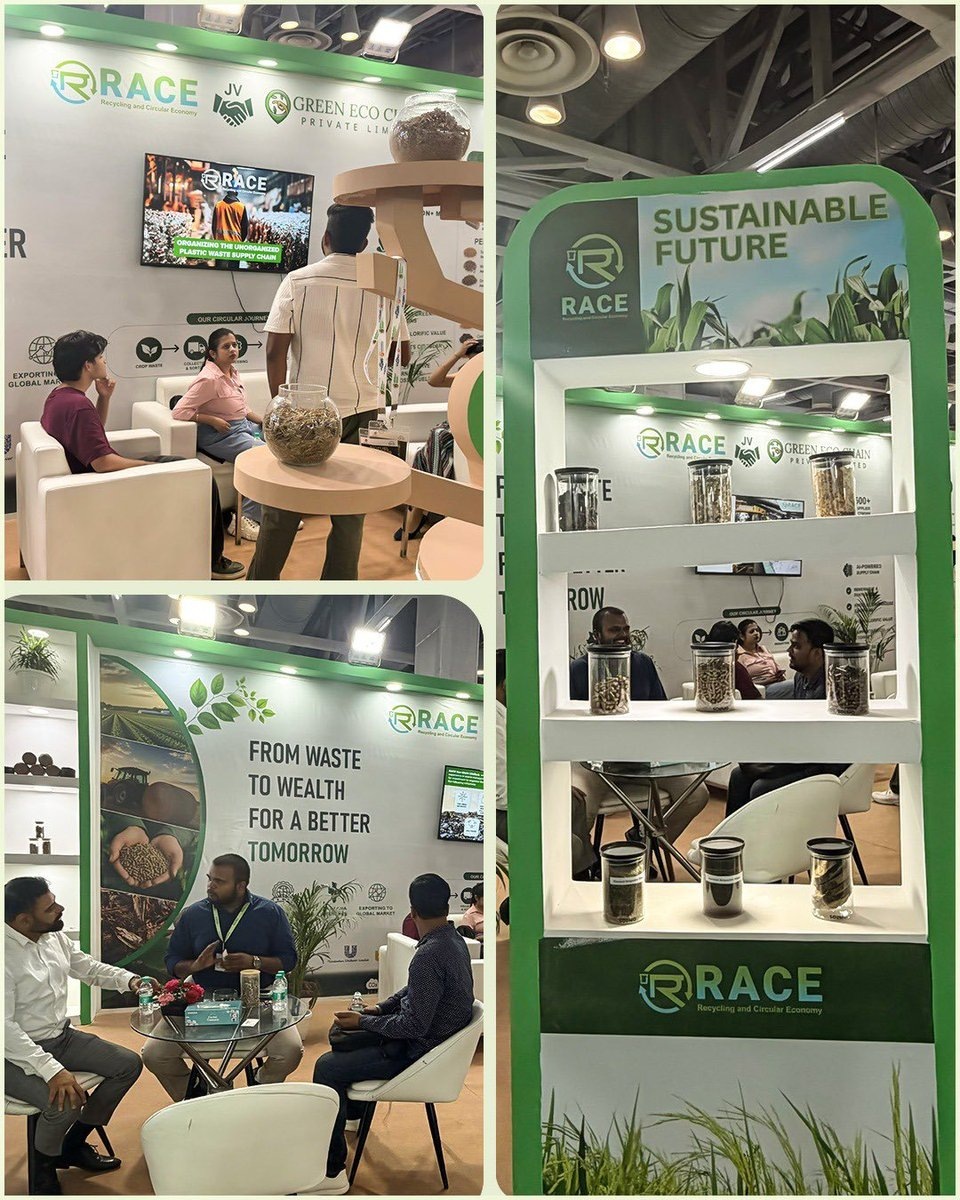
The model is aggregation. Suppliers hand over PET bottles and biomass; Race collects, segregates, and passes the material to recyclers. The value added is logistics and traceability, dressed up with a “RACE App” featuring blockchain and AI-driven price intelligence. The pitch is sustainability; the P&L is wholesale distribution.
That matters because distribution margins are structurally thin, and Race’s are thinner than most: an operating margin near 2.3% leaves almost no cushion when input prices move. Management’s own commentary flagged that raw-material prices rose about 25% during the year, and that the increase could not be fully passed through. When your entire spread is two percent, a 25% cost move in the thing you resell is not a footnote.
The clientele list is genuinely blue-chip — the presentation names Reliance, HUL, Dabur, Sun Pharma, UltraTech. Impressive logos, modest take-rate. Volume of waste aggregated actually fell in FY26 to 91,421 MT from 1,47,533 MT, even as revenue rose — a reminder that revenue here is a price-times-tonnage figure, and the two don’t always move together.