Jay Jalaram Technologies FY26: ₹852 Cr of Phones Sold, ₹1 in Every ₹100 Kept as Profit
Spotted a factual error — a wrong number, date, or fact? Tell us and we will check the source.
General information and entertainment, not investment advice. The author is not a SEBI-registered adviser or research analyst. No recommendation, no promised returns. Markets carry risk including loss of capital. Figures may not be current. Consult a registered adviser before acting.
1. At a Glance
Jay Jalaram Technologies — the company behind the KORE Mobile retail chain — closed FY26 with sales of ₹852 crore, up from ₹666 crore a year earlier. Net profit rose to ₹8.77 crore. Put those two numbers side by side and the defining feature of this business appears immediately: for every ₹100 that moves across the counter, a little over ₹1 stays behind as profit. Operating margin sat at 1.82%.
This is what multi-brand electronics retail looks like from the inside — enormous top-line, wafer-thin bottom-line, and a balance sheet that swells with inventory. Sales have compounded at roughly 48% over five years; profit at 98%. The growth is real and the numbers are audited, with an unmodified opinion.
Yet the cash flow statement told a different story for three straight years running, and inventory climbed to ₹109.56 crore by March 2026. A retailer’s whole game is turning stock into cash faster than the stock piles up. That tension — fast revenue, thin margin, hungry working capital — is the entry the record opens on.
2. Introduction
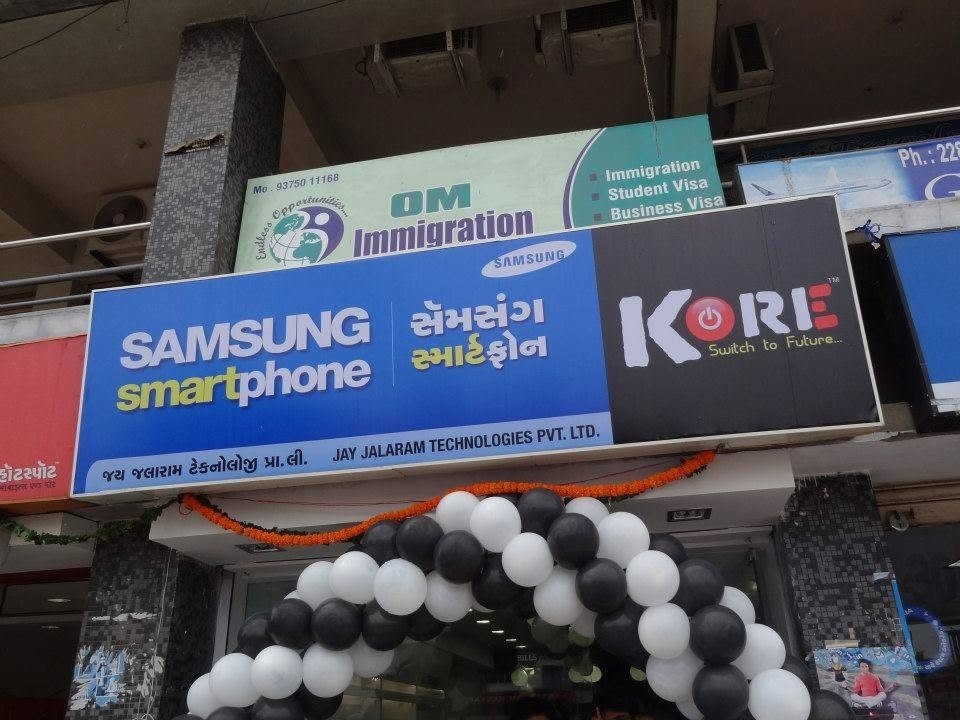
Incorporated in 2012 and listed on the NSE Emerge SME platform on 8 September 2022, Jay Jalaram Technologies runs modern retail stores selling smartphones, consumer electronics, and related goods under brand names including Kore, Erok, and Simron.
FY26 was an eventful year on paper. In November 2025, the company allotted 2,50,000 equity shares at ₹399 each to promoter-group warrant holders, raising ₹7.48 crore, lifting paid-up capital to ₹12.13 crore. In March 2026 it appointed four independent directors and put NSE main-board migration to a postal ballot — all five special resolutions passed in May 2026. In May 2026 the board approved the FY26 results, a new “TekEasy” retail brand, and the mopping-up of a subsidiary.
The company operates in a single reported segment: electronic gadgets. The store network spans owned and franchise formats across Gujarat and neighbouring states.
3. Business Model: WTF Do They Even Do?
They sell you a phone. Then a TV, an air conditioner, a refrigerator, maybe a Revolt electric bike, and a charger to go with it.
The model is multi-brand electronics retail: stock top-tier names — Apple, Samsung, Vivo, Xiaomi, TCL, Daikin — across a network of company-owned and franchise stores, and earn a slim spread on each unit. The company’s own materials peg the network at 220+ stores. The economics are exactly what you’d expect from a middleman between a global brand and a walk-in customer: you don’t set the price of an iPhone, you set the price of the convenience of buying one near home, and that convenience is worth about 1.8% of the ticket.
The FY26 cost structure makes the point without commentary. Against sales of ₹851.8 crore, purchases of stock-in-trade absorbed the overwhelming bulk. Employee cost was ₹6.79 crore. There is no manufacturing margin to hide behind here — this is buy-at-X, sell-at-slightly-more-than-X, at scale, on repeat.
A blended retail model like this lives or dies on volume and inventory discipline, because the margin is too thin to absorb mistakes. When the spread is 1.8%, a single season of unsold stock isn’t a rounding error — it’s the whole year’s profit. Does a 220-store footprint create durable advantage, or just 220 places to hold inventory?