Innomet Advanced Materials FY26: Revenue Doubled, Margins Halved, and a ₹185 Cr Price Tag on ₹1.57 Cr of Profit
Spotted a factual error — a wrong number, date, or fact? Tell us and we will check the source.
General information and entertainment, not investment advice. The author is not a SEBI-registered adviser or research analyst. No recommendation, no promised returns. Markets carry risk including loss of capital. Figures may not be current. Consult a registered adviser before acting.
1. At a Glance
Innomet Advanced Materials closed FY26 with sales of ₹53.86 crore, up 66% from ₹32.52 crore. That is the headline the company wants remembered. The other number is that net profit fell to ₹1.57 crore from ₹1.87 crore — a business that sold two-thirds more and earned less for the effort.
The gap between those two facts is the whole story. Operating margin dropped from 15.53% to 10.40% as revenue climbed. Management attributes the squeeze to tungsten, copper and base-metal prices, with tungsten alone rising nearly 5x over the year per the earnings presentation. The company also reversed ₹1.92 crore of previously capitalised development spend and ₹2.96 crore of unbilled revenue during the year, both flowing through the accounts.
Meanwhile the market caps the whole thing at ₹185 crore against that ₹1.57 crore of profit. The order book, exports and a tungsten acquisition are doing the heavy lifting in that price. Whether the delivery matches the pricing is the tension that runs through every section below.
A company can grow its top line and shrink its bottom line at the same time — the two lines answer to different masters.
2. Introduction
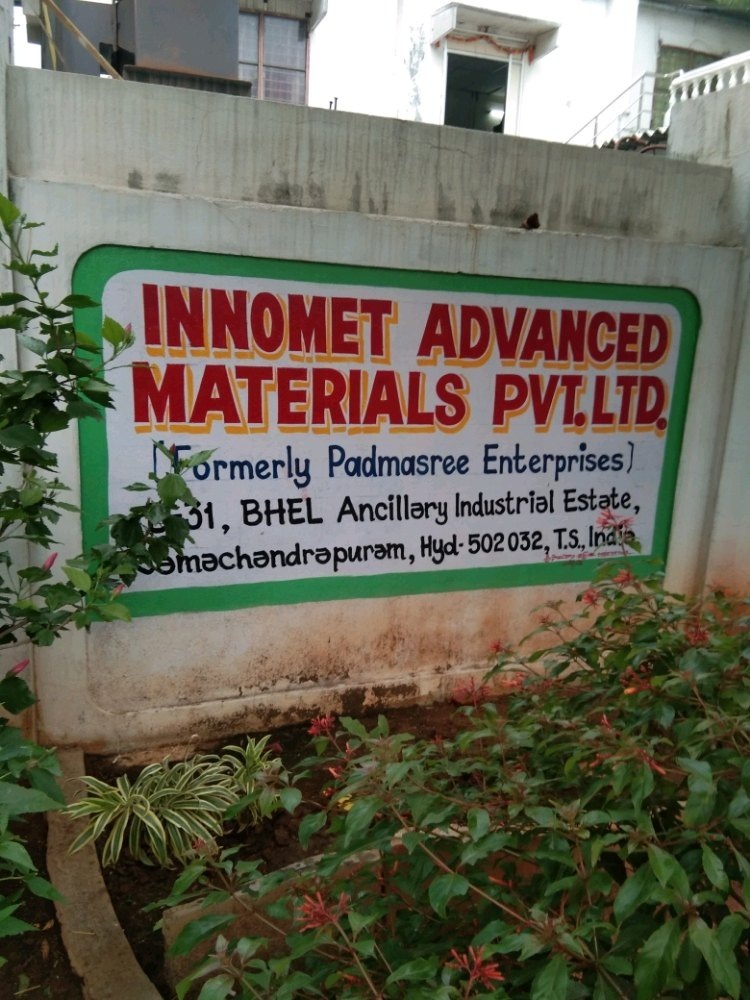
Innomet, incorporated in 1984, makes specialty powder metallurgy products from a plant in Ramachandrapuram, near Hyderabad. It came to the market via an IPO that listed in September 2024, raising ₹34.3 crore. It trades on the NSE SME Emerge platform, which is the small end of the listed universe — the part where a single order can move the annual narrative.
FY26 was busy in ways that leave a paper trail. The company received AS9100D aerospace certification, acquired a 57.5% stake in Swastik Tungsten through an NCLT process in February 2026 for roughly ₹1.5 crore, and was selected alongside IIT Hyderabad and DMRL for a DRDO-supported gas atomisation project with a sanctioned outlay of about ₹8.73 crore.
The first two months of FY27 brought a run of export orders from Israel’s Scope Metals Group — a ₹4.38 crore purchase order dated 29 June 2026, a $140,150 order on 18 June, and larger ones going back through May. Management frames the period as a pivot from building capability to selling it.
An independent director, Myneni Narayana Rao, resigned on 29 January 2026 citing professional and personal commitments. The board later added a new independent director with an aerospace-materials background.
3. Business Model: WTF Do They Even Do?
Two divisions, one furnace-heavy philosophy.
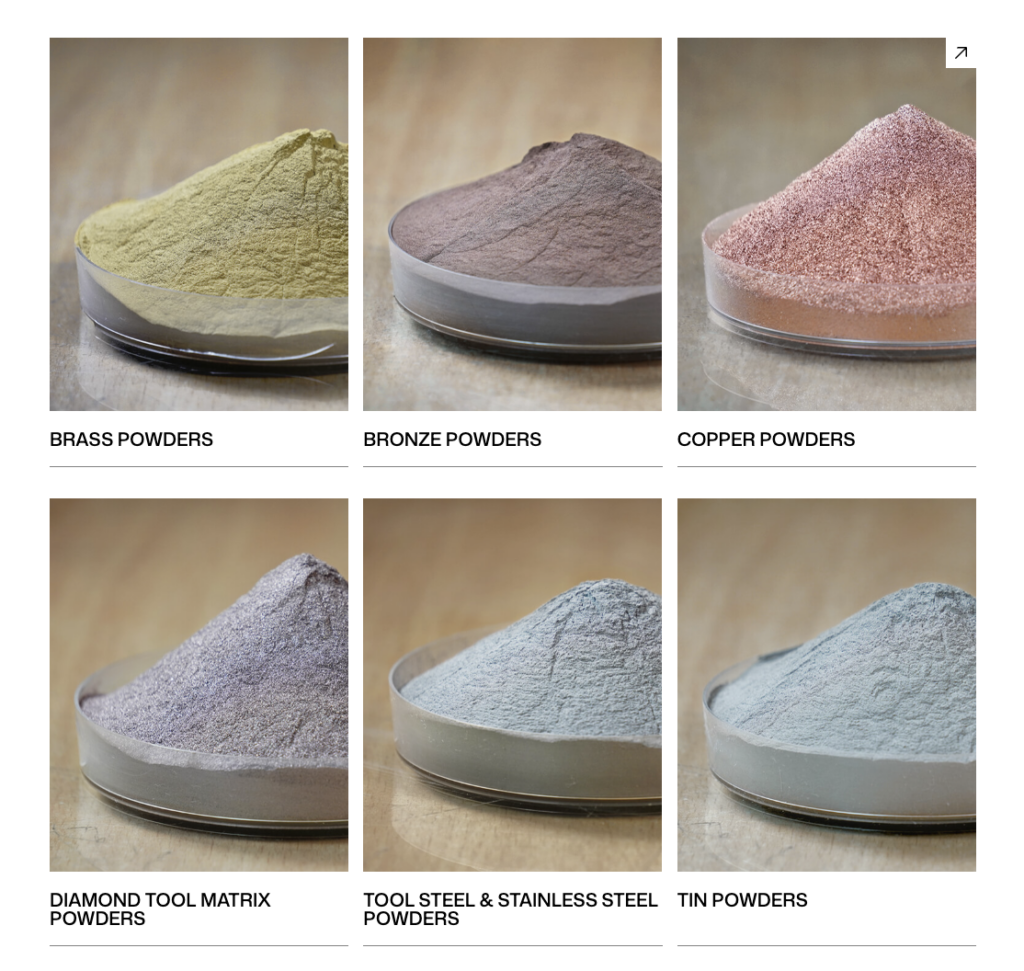
The first is metal and alloy powders — copper, bronze, brass, tin, nickel, iron, tool-steel and stainless-steel powders, plus diamond-tool matrix powders. These feed powder metallurgy, diamond tools, brazing, catalysts and surface coatings. This division is the bulk of the business at 75.4% of FY26 revenue.
The second is Tungsten Heavy Alloys, branded InnoTung, made through a high-temperature sintering route. Innomet describes itself as the only private Indian manufacturer of THA, supplying bars, plates, cubes, spheres and custom components. The applications read like a defence catalogue: kinetic energy penetrators, pre-fragments, radiation-shielding camera bodies and collimators, aerospace balancing weights. THA was 24.6% of FY26 revenue, up from 21.6% — a 300 bps mix shift toward the higher-value line, per the presentation.
Tungsten is extremely dense, absorbs radiation, and holds up under heat. It is also, at the moment, a supply-chain pressure point — China has been restricting tungsten exports, which is precisely why a small Telangana manufacturer is suddenly getting purchase orders from Israel. The company’s product pitch is essentially: we are not China, and we are certified.
The Swastik acquisition adds tungsten metal powders, carbide powders and ready-to-press powders, with a combined capacity management puts at 120 tonnes per annum. The stated logic is securing raw material rather than immediate margin.
Does being “the only private Indian THA maker” describe a moat or just a very small pond nobody else bothered to enter?
4. Financials Overview
Figures are standalone, in ₹ crore. Innomet reports half-yearly, so the columns below compare the latest half (H2 FY26, ending March 2026) against the year-ago half and the immediately preceding half.
Metric
H2 FY26
YoY (H2 FY25)
Prev Half (H1 FY26)
Revenue
30.33
17.88
23.53
Operating Profit
1.35
1.67
4.26
PAT
-0.44
0.16
2.02
EPS (₹)
-0.34
0.12
1.56
The second half of the year carried the loss. Revenue in H2 FY26 was the highest of any half on record at ₹30.33 crore, yet operating profit fell to ₹1.35 crore and the half swung to a ₹0.44 crore net loss. H1 FY26 had done the earning; H2 gave part of it back.