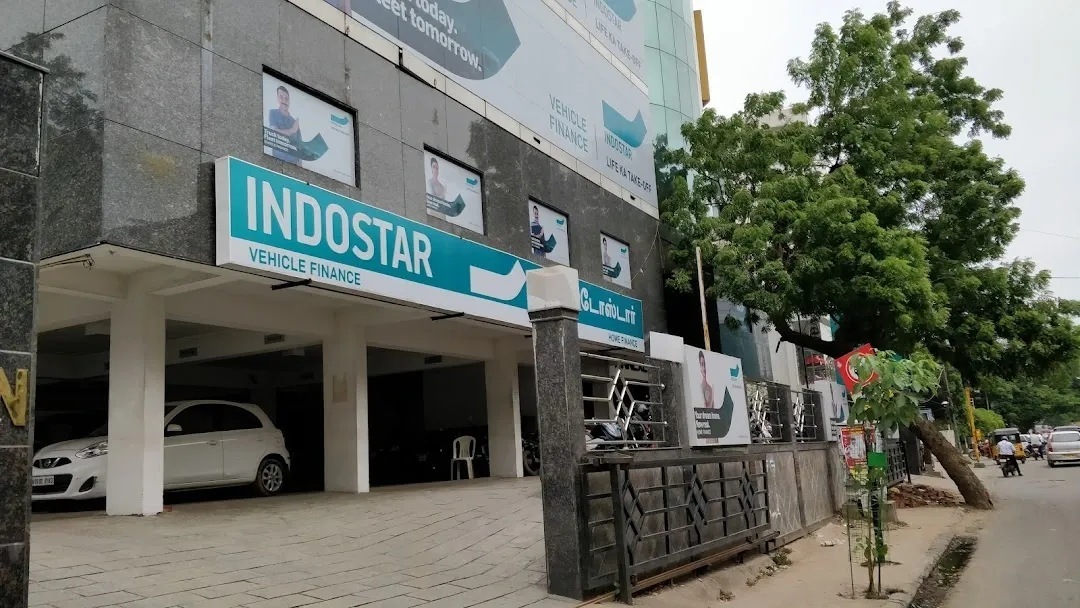
Indostar Capital Finance Mar 2026: The ₹424 Cr “Transformation” Bath
Date of Publishing -
Spotted a factual error — a wrong number, date, or fact? Tell us and we will check the source.
1. At a Glance
Indostar Capital Finance spent the final quarter of FY26 executing what management proudly calls a “defining year of structural transformation.” In financial terms, that translates to taking a massive, deliberate bath. The company reported a consolidated Q4 PAT of negative ₹424 Cr, obliterating the steady quarterly profits seen earlier in the year.
This wasn’t an operational collapse, but a conscious kitchen-sinking exercise. Management took a sledgehammer to their legacy balance sheet, booking an aggressive ₹326 Cr provision against their Security Receipts (SRs) to bring the net carrying value down to ~₹589 Cr. They also threw in an extra ₹49 Cr management overlay just because of the “West Asia crisis.”
Despite the bloodbath on the Q4 P&L, the underlying engine is actually revving up. Assets Under Management (AUM) crossed ₹8,056 Cr, disbursements jumped 21% YoY, and the shift from wholesale lending to granular retail (chiefly used commercial vehicles) is nearly complete. A kitchen-sink quarter is brutal to read, but it is often the strict prerequisite for a clean slate. The question now is whether the legacy ghosts have finally been exorcised, or if there’s still more to clean.
2. Introduction
When global alternative asset manager Brookfield looked at the Indian lending landscape in 2020, they decided Indostar was their chosen vessel for private equity deployment, eventually taking a 55.98% stake.
Historically, Indostar was heavily skewed toward wholesale and corporate financing—a segment that looks incredibly lucrative right up until the exact moment it stops paying you back. Since Brookfield’s entry, the company has been executing a multi-year pivot toward “retailisation,” deliberately running down the lumpy corporate book and pivoting hard into retail loans. By the close of FY26, the retail book accounted for over 95% of total AUM. It has been a painful, grinding turnaround, characterized by selling off stressed SME loan portfolios to Asset Reconstruction Companies (ARCs) and restructuring management.
3. Business Model: WTF Do They Even Do?
Indostar is now, for all practical purposes, a used truck financier with a side hustle in affordable housing.
Commercial Vehicle (CV) Finance (~80% of disbursements): They lend money to people buying used and pre-owned commercial vehicles. The average ticket size is ₹8.2 Lakhs. When the economy moves, used trucks move it.
Housing Finance (Micro LAP): Operated through a wholly-owned subsidiary, they focus on Tier 2 & 3 cities with an average ticket size of ₹9 Lakhs.
Corporate & SME Lending: The ghost of Indostar past. They strategically decided to run this down. The wholesale book was politely asked to leave the premises, and whatever refused to leave was packaged and sold to ARCs.
They operate through 454 branches, heavily concentrated in Tamil Nadu, Maharashtra, and Andhra Pradesh.
4. Financials Overview
Figures are consolidated, in ₹ crore.
Metric
Mar 2026 (Q4)
YoY
QoQ
Revenue
347
-7%
Flat
Financing Profit
-418
-487%
-2712%
PAT
-424
-492%
-795%
EPS
-26.24
–
–
Note: The YoY/QoQ percentages on profit look like typos, but they aren’t. That’s what happens when a ₹108 Cr profit turns into a ₹424 Cr loss.
The Q4 numbers are less of an earnings report and more of a crime scene cleanup. FY26 NII actually grew 16% YoY to ₹772 Cr, and NIM expanded to 7.8%. But the headline loss is entirely driven by the ₹326 Cr SR provision and a ₹55 Cr ECL model refresh charge. The borrowings line spent FY26 quietly losing weight, dropping from ₹6,916 Cr to ₹5,477 Cr.
Did Management Walk the Talk? & What is Management Promising?
In the Jun 2026 concall, management was unapologetic about the Q4 bloodbath. They repeatedly framed FY26 as an “intentional year of repair.” The goal was to “remove the SRs from the list of considerations investors have.”
Looking ahead, management is projecting swagger. They are targeting a 35% disbursement CAGR and a PAT of ₹450–500 Cr by FY29. Management called their steady-state credit cost of 2% to 2.5% highly achievable