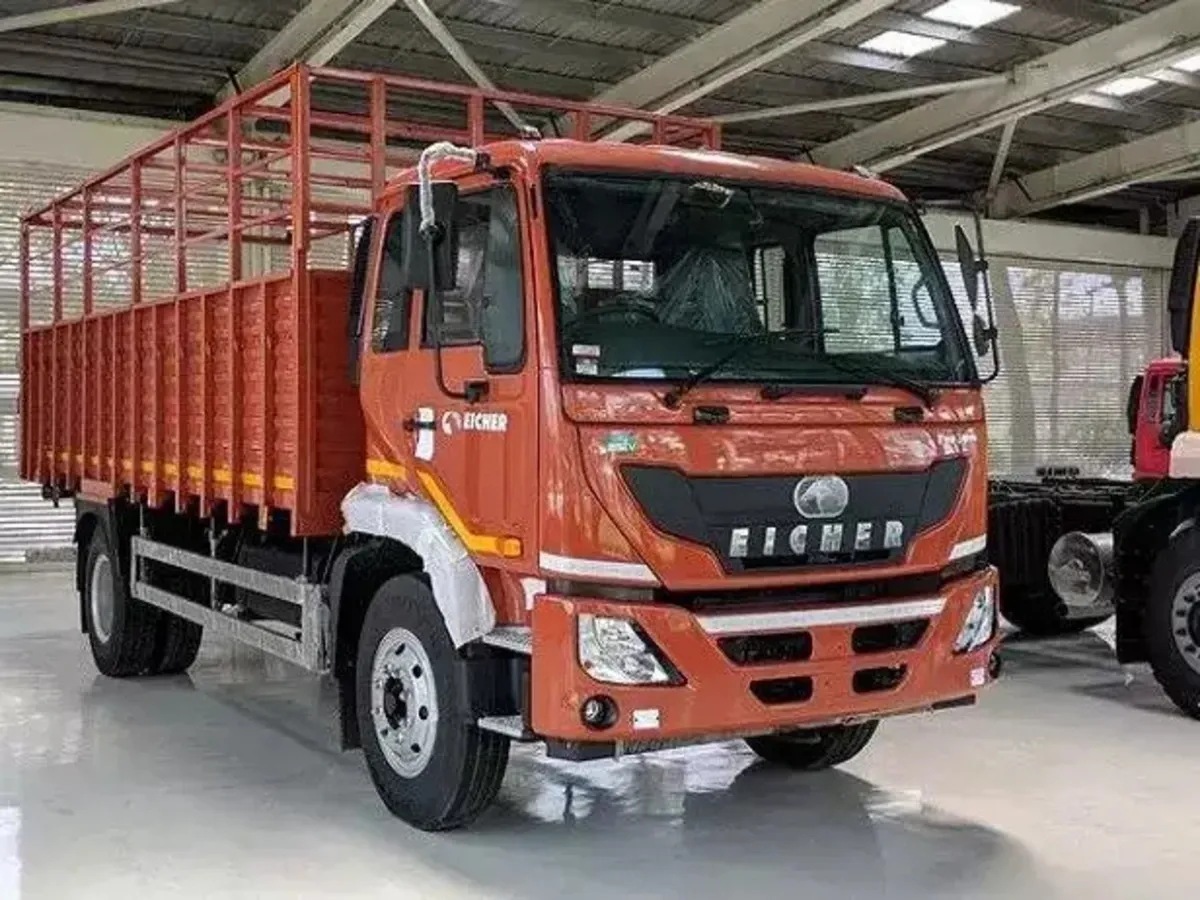
Eicher Motors FY26: A ₹23,408 Crore Flex, Fuel-Injected Cash, and the 2 Million Bike Mission
Section 1 — At a Glance
The financial trajectory of Eicher Motors Limited in FY26 has evolved into a masterclass of structural premiumization, registering a monumental consolidated revenue from operations of ₹23,407.56 crore. This marks an unyielding 24.0% top-line surge over the preceding fiscal year, heavily driven by an aggressive expansion in the mid-size motorcycle market where Royal Enfield logged total sales volumes of 12.27 lakh units.
Yet beneath this roaring performance, distinct undercurrents demand investor scrutiny. While consolidated Profit After Tax climbed 16.5% to ₹5,515.23 crore, a sharp 34.6% escalation in total operational expenses to ₹18,534.40 crore has begun applying structural pressure to processing margins. Crucially, core profitability remains significantly cushioned by a massive other income footprint of ₹2,228.89 crore, alongside an increasing reliance on its commercial vehicle joint venture, VECV, which contributed ₹797.80 crore to the bottom line.
With management aggressively locking down capital commitments, including a massive ₹958 crore brownfield expansion at Cheyyar and a potential ₹2,500 crore greenfield facility in Andhra Pradesh, the capital allocation strategy is transitioning from asset-light harvesting to capital-heavy fortress building. True financial endurance is quantified not by structural demand peaks, but by the efficiency of capital deployment through inflationary cycles. This assessment breaks down whether the company’s escalating scale is built for structural wealth generation or exposed to a capital-heavy squeeze.
Section 2 — Introduction
Eicher Motors Limited, established in 1982, has successfully repositioned itself from a fragmented automotive manufacturer into a premium global powerhouse. The company operates as a unique dual-engine ecosystem: the wholly-owned Royal Enfield business dominating the global middleweight motorcycling landscape, alongside a highly structured 54.4% joint venture with Sweden’s AB Volvo, operating under Volvo Eicher Commercial Vehicles Limited (VECV).
The operational script for FY26 highlights a deliberate push toward global scale and technological diversification, characterized by high-profile launches like the Guerrilla 450 Apex and the Goan Classic 350. Simultaneously, the company has initiated its commercial EV entry via the newly unveiled “Flying Flea” urban mobility brand. As domestic and international competitive clusters intensify within the 250cc–750cc sub-segment, Eicher’s recent strategic pivots point to an aggressive defensive-growth posture, reinvesting its vast capital reserves directly into manufacturing infrastructure and captive finance channels.
Section 3 — Business Model: WTF Do They Even Do?
If you think Eicher Motors simply sells vintage-looking metal machines to people undergoing mid-life crises or urban hipster conversions, you are missing the entire economic engine. Eicher operates a brilliant nostalgia-monetization factory under the Royal Enfield banner, commanding a jaw-dropping 87% market share in the Indian mid-size motorcycle segment (250cc–750cc). They design, build, and distribute heavy-thumping machinery across a global network spanning over 2,000 domestic stores and 1,085 international touchpoints.
The real magic trick in their business model is the non-motorcycling vertical—ancillary revenues from apparel, customized accessories, and replacement parts account for roughly 15% of their top line. They aren’t just selling bikes; they are selling memberships to an organic global cult where riders willingly pay a premium to look like retro aviators. On the flip side of the house, they build actual, serious industrial heavy lifting gear through VECV, pushing out more than 1 lakh commercial trucks and buses annually in a 50:50 shared-governance setup with Volvo. It is an elegant blend of high-margin retail lifestyle and cyclical infrastructure work.
Section 4 — Financials Overview
Figures are consolidated, in ₹ crore.
Quarterly Performance Trend
Metric
Latest Quarter (Mar 2026)
YoY (%)
QoQ (%)
Revenue
6,080.09
42.86%
-0.56%
EBITDA / Operating Profit
1,513.67
34.11%
-2.77%
PAT
1,519.95
42.00%
6.99%
EPS (₹)
55.41
41.71%
6.99%
The top-line velocity looked particularly frantic in the final stretch, with March 2026 quarter sales lands at ₹6,080.09 crore, staging an impressive 42.86% jump over the corresponding quarter last fiscal year. However, a quick sequential look shows a microscopic 0.56% dip compared to December 2025, proving that even high-performance machinery needs to breathe. EBITDA margins remained flatly robust at 24.89% for the quarter, although input cost inflation began flashing warning signs across the factory floor.
What is Management Promising in the Coming Quarters?
During the May 2026 conference call, management was notably vocal about an upcoming operational “war situation” regarding raw materials. The CFO directly quantified an impending commodity price headwind of 3.0% to 3.5% landing straight on the material cost level for Q1 FY27. To prevent margins from sliding off a cliff, Royal Enfield executed a preemptive 1.75% price hike in April 2026.
The CEO noted that while pricing adjustments will cover roughly half of the inflationary impact, the rest will be clawed back through “front-ended value engineering projects” scheduled for July and August. On the volume side, management explicitly shrugged off any talk of a structural slowdown, pointing to tight dealer inventory levels hovering at just 7 to 8 days, which suggests they are