Z-Tech (India) Ltd Mar 2026: The ₹94 Crore Working Capital Reality Behind the 83% Profit Surge
Section 1 — At a Glance
A multi-year structural migration from pure-play civil engineering contracts toward a consumer-facing experiential infrastructure platform has driven headline financial performance to record thresholds. Total operational income reached ₹155.79 crore for the financial year ended March 31, 2026, representing a structural expansion of 65.03% against the ₹94.40 crore recorded in the prior fiscal period. This top-line momentum was primarily accelerated by the Sustainable Theme Park development vertical, which expanded its contribution to ₹112.61 crore. Profitability margins followed an identical trajectory, with Net Profit after tax expanding by 82.91% to close at ₹35.86 crore, up from ₹19.61 crore.
Beneath this accelerated accounting profitability, significant balance sheet stress has materialized. Trade receivables grew by 100.45% within the fiscal year, climbing from ₹46.88 crore to ₹93.97 crore. This asset concentration has locked up critical operational liquid capital, leaving the company with a negative cash flow from operations of ₹38.38 crore. Total indebtedness expanded significantly across the short and long-term liabilities spectrum, moving from a lean legacy base of ₹1.79 crore to an aggregate debt position of ₹74.95 crore. Growth metrics are moving in absolute correlation with asset-heavy working capital configurations. The structural divergence between reported profit and cash realization underscores a classic micro-cap infrastructure trap, where operational scaling remains dependent on outer-period fiscal balancing.
Section 2 — Introduction
Z-Tech (India) Ltd, incorporated in 1994, is undergoing an identity crisis of the most profitable kind. For decades, the company operated within the standard, margin-bruising confines of specialized geotechnical solutions and soil mechanics. However, recent strategic pivots have seen it cross the fence into urban engineering, transforming municipal waste spaces into commercial theme parks under Public-Private Partnership (PPP) frameworks. This deliberate migration from standard engineering, procurement, and construction (EPC) activities to a hybrid annuity-based leisure platform represents an ambitious attempt to capture consumer discretionary wallets. By superimposing commercial monetization onto government-backed public works, the firm is attempting to distance itself from the structural low-margin realities that govern classic civil engineering enterprises.
Section 3 — Business Model: WTF Do They Even Do?
The company divides its operational attention across three distinct business verticals, though one has clearly hijacked the collective corporate focus:
Sustainable Theme Park Development (Zing Platform): The operational engine of the firm, contributing 72.28% of total revenue. The business design involves reclaiming municipal waste materials to establish experiential and thematic public infrastructure.
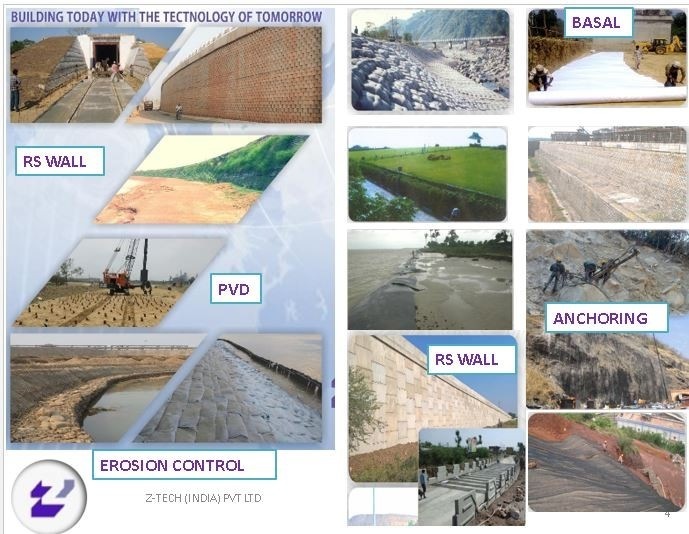
Geo Technical Specialized Solutions (Terra): The legacy infrastructure engineering branch, delivering soil stabilization, slope protection, and rock mechanics services for major national highway and mining operations.
Industrial Waste Water Management (Agua): A tech-led remediation wing utilizing proprietary chemical recovery systems to process and recycle industrial effluents for industrial clients.
The revenue model relies on an asymmetrical mix of long-cycle public infrastructure tenders and short-cycle, recurring cash flows derived from ticketing, food and beverage concessions, and event activations at operational municipal properties.
Section 4 — Financials Overview
Figures are standalone, in ₹ crore.
Metric
Latest Quarter (Mar 2026)
YoY (%)
QoQ (%)
Revenue
58.83
68.15%
40.10%
EBITDA
19.34
50.38%
66.15%
PAT
19.14
125.18%
151.18%
EPS
13.23
99.55%
149.15%
The top-line velocity recorded during the final three months of the fiscal year reflects the seasonal bunching of public infrastructure billings. Quarterly revenue expansion outpaced operational expenditure growth due to the progressive deployment of fixed-cost operating elements in completed projects.
What is Management Promising in the Coming Quarters?
During the May 2026 earnings execution call, management characterized the period as a structural inflection point. The corporate