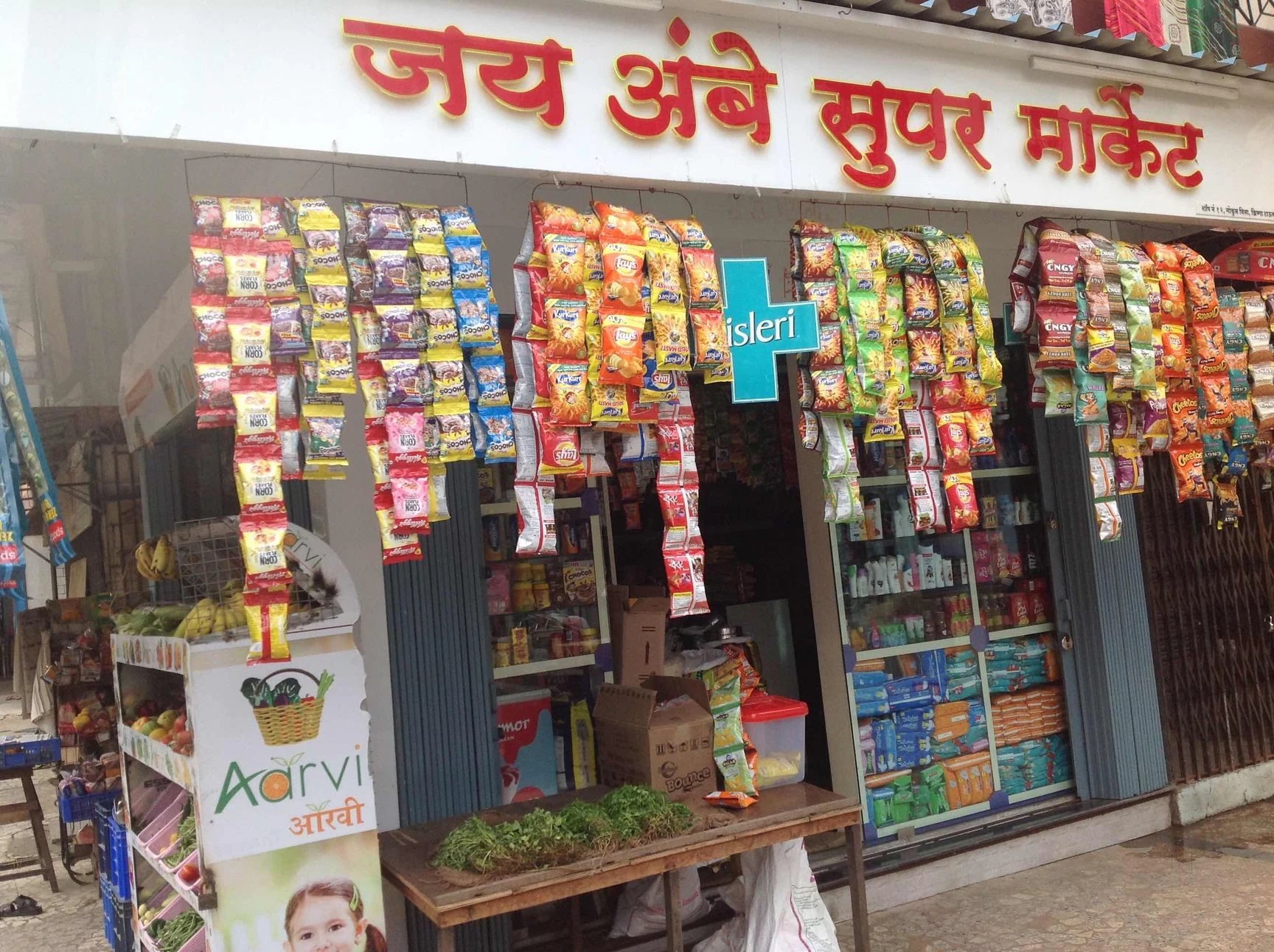
Jay Ambe Supermarkets Ltd Mar 2026: The ₹10.32 Crore Operating Profit Mirage Hidden Behind 191-Day Cash Drama
Section 1 — At a Glance
An explosive expansion strategy has triggered an intense surge in the headline performance metrics of Jay Ambe Supermarkets Limited. The retailer experienced a massive top-line escalation in FY26, driven by an aggressive rollout of its regional footprint across Western India. However, this rapid top-line growth hides acute structural pressures within the working capital cycle. The core operating machinery is burning through physical cash at an accelerating rate to fund massive retail positions, creating a deep mismatch between accounting profits and real cash generation.
While the income statement reflects unprecedented operational efficiency and record margin expansion, the balance sheet tells a far more restrictive story. Heavy funding allocations for inventory build-ups have left the company heavily exposed to regional liquidity constraints. Short-term borrowings and expanding trade obligations have rapidly scaled to bridge the funding gap. Operational scaling creates cash absorption risks when inventory accumulation outpaces store velocities.
Public equity markets are pricing this micro-cap retail chain at an aggressive growth premium following its recent IPO. Yet, structural capital constraints are beginning to surface as cash conversion cycles stretch to record extremes. The core question for market participants is whether the business can quickly monetize its massive stockpiles before regional competition or product obsolescence transforms these assets into write-downs. The transition from a local retail operation into an institutional chain is turning out to be an incredibly capital-intensive journey.
Section 2 — Introduction
Jay Ambe Supermarkets Limited entered the public markets with substantial fanfare in September 2025, raising ₹17.50 crore through an SME initial public offering to fuel its regional ambitions. Operating under the consumer-facing brand City Square Mart, the enterprise has grown from its initial retail presence in Gandhinagar into a structured footprint of 17 stores spread across strategic clusters in Gujarat. The business attempts to combine a diversified grocery and apparel product mix with an asset-light operating model across multiple corporate and franchise store formats.
The structural reality of regional corporate scaling is now fully visible in the company’s latest annual disclosures. Growth requires massive physical capital commitments, a dynamic that is severely testing the execution capability of management. As the business pushes deep into tier-2 and tier-3 markets, it faces the operational challenge of replicating its core store economics while navigating localized logistics networks, volatile customer footfalls, and intense competitive pressures from both unorganized retail formats and nationwide grocery giants.
Section 3 — Business Model: WTF Do They Even Do?
Jay Ambe Supermarkets runs a classic regional grocery and lifestyle retail network under the City Square Mart banner. Management uses a hybrid store model featuring a mix of 10 Company-Owned Company-Operated (COCO) locations and 7 franchise-driven store setups. This design is meant to let the company expand rapidly without having its own capital locked up in real estate everywhere.
The underlying product mix is dominated heavily by low-margin staples, with FMCG and general groceries making up 76% of total revenue. Apparel and footwear add a 12% share, general merchandise brings in 10%, and a tiny 1.4% sliver comes from franchise fees and royalties.
Geographically, the operation is almost entirely a single-state bet. Gandhinagar generates 51% of sales, Ahmedabad contributes 25.5%, Visnagar accounts for 13.6%, and the remaining volume is scattered across Himmatnagar and Bhuj. The upcoming expansion blueprint lists 15 new target towns across Gujarat. If you ever wanted to invest in a business that is fully vulnerable to a local monsoon failure or a regional supply chain disruption in Gujarat, this is your textbook opportunity.
Section 4 — Financials Overview
Figures are standalone, in ₹ crore.
Because Jay Ambe Supermarkets Limited files its financial updates on a half-yearly basis, we monitor its operational trajectory through six-month performance steps.
Half-Yearly Financial Performance
Metric
Latest Half (Mar 2026)
YoY (Mar 2025)
Previous Half (Sep 2025)
Revenue
₹40.93 cr
₹29.13 cr
₹30.56 cr
EBITDA / Operating Profit
₹7.65 cr
₹2.54 cr
₹2.67 cr
PAT
₹3.36 cr
₹1.48 cr
₹1.51 cr
EPS
₹3.78
₹2.27
₹1.70
The headline growth looks highly impressive, with six-month revenues climbing 40.51% year-on-year to ₹40.93 crore. Even better, standalone PAT for the latest half surged 127.03% to ₹3.36 crore. However, seasoned analysts know that high-growth retail operations can easily distort underlying profitability trends across short time horizons when massive new inventory builds alter accounting expense entries. True earnings quality can only be validated when growth in accounting net profits translates directly into tangible cash generation.
Did Management Walk the Talk?
Looking at older corporate commitments, management stated during their public listing that IPO proceeds would be directly deployed to purchase existing retail properties, build