Mayur Uniquoters FY26: High-Value Auto Export Traction Drives Record Earnings Performance
Section 1 — At a Glance
Mayur Uniquoters Ltd delivered a stellar operational performance for the fiscal year ended March 31, 2026, driven primarily by an aggressive mix enrichment toward high-margin automotive exports. The headline consolidated revenue from operations for FY26 reached ₹967.02 crore, registering a growth of 9.87% compared to ₹880.14 crore in the previous fiscal year. The top-line momentum translated into sharp profitability gains, with consolidated net profit surging by 28.43% to ₹191.74 crore, up from ₹149.29 crore in FY25. This performance yielded a basic and diluted EPS of ₹44.13 for the full year, a significant jump from ₹34.36 in the preceding period.
Investor interest has been strongly captured by the company’s exceptional margin execution and its fortress-like balance sheet. Operating profit (EBITDA) for the year reached ₹234.98 crore, supporting a robust operating profit margin (OPM) of 24.30%, fueled by structural cost efficiencies, lower freight expenses, and a high-value product mix. Furthermore, the company remains virtually debt-free, maintaining a negligible total borrowings figure of just ₹7.78 crore against a massive net worth of ₹1,132.51 crore.
However, areas of caution persist. The gross working capital cycle has expanded to an elevated 244 days, driven by structural choices and inventory stocking demands in the US market. Additionally, the under-utilization of the polyurethane (PU) coated fabric plant continues to act as a drag on asset turnover.
Structural valuation expansions are sustainable only when cash flow generation keeps pace with reported accounting profits.
With its massive cash cushions and entry-barrier credentials with global automotive OEMs, the market is closely evaluating whether Mayur can scale its revenue base past the ₹1,000 crore milestone in the upcoming fiscal.
Section 2 — Introduction
Mayur Uniquoters enters the financial spotlight at a critical juncture. As the largest domestic manufacturer of synthetic leather in the organized segment, the company has spent years building multi-year regulatory and testing moats with top-tier global and domestic automotive giants. This report examines the full-year audited financial results for FY26, alongside a sequential and yearly breakdown of the fourth quarter, to understand if the current earnings spike is structural or cyclical.
Recent strategic moves highlight a deliberate pivot away from greenfield capital allocation friction toward optimization. The previously planned South India expansion has been re-scoped, with management choosing to order a new coating line to be installed within an existing facility. This reduces planned near-term capital outlay to approximately ₹50 crore, accelerating the time-to-market while avoiding large-scale execution risks. Concurrently, the company continues to evaluate global manufacturing locations to insulate itself from shifting geopolitical tariff regimes.
Section 3 — Business Model: WTF Do They Even Do?
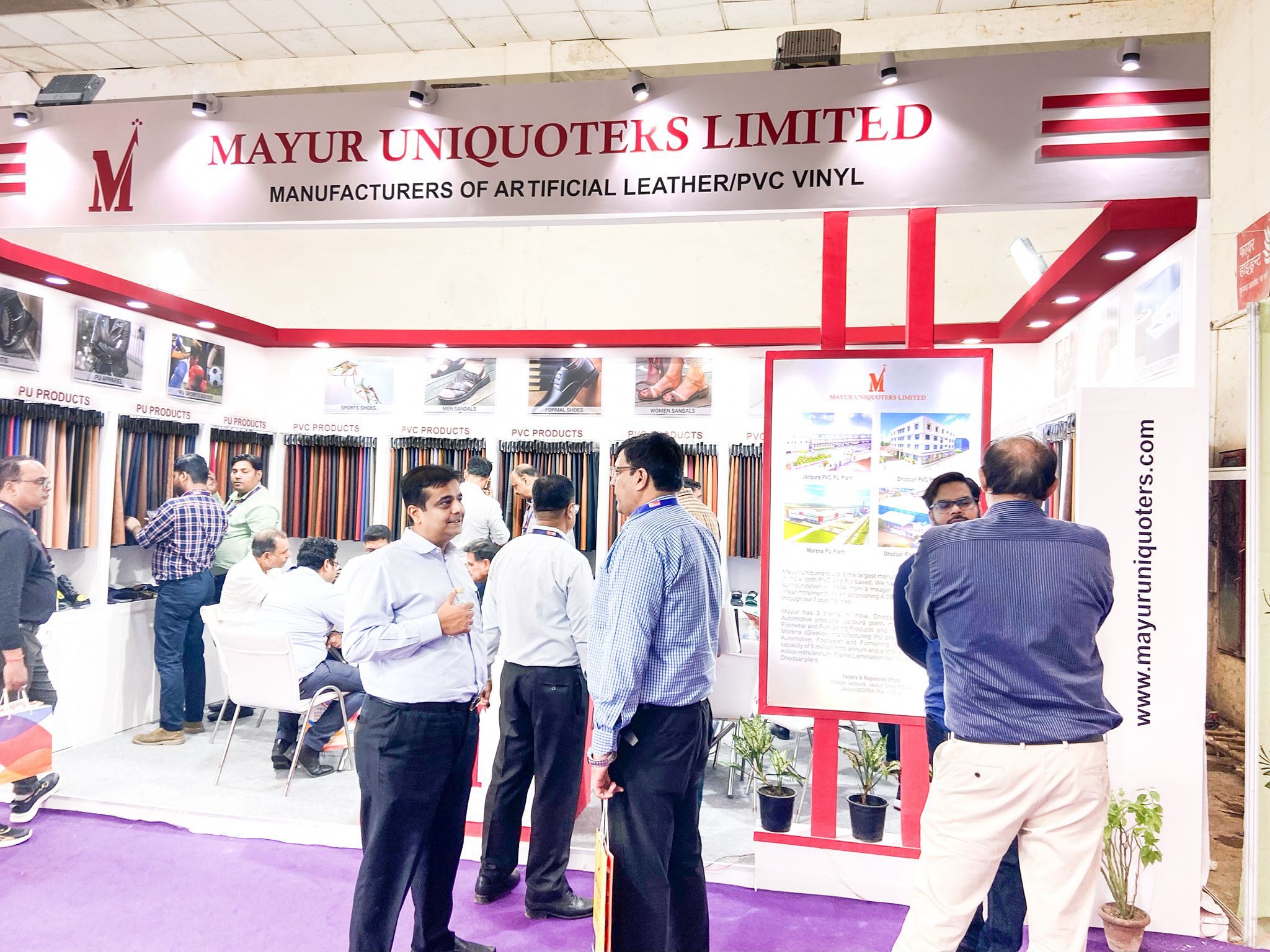
At its core, Mayur Uniquoters manufactures artificial leather—specifically PVC and PU-coated fabrics—serving as a high-durability, cost-effective substitute for natural leather. They process polymers across 7 coating lines near Jaipur, converting raw chemicals and yarn into specialized upholstery, trims, and seating components.
The business model relies on heavy B2B integration. Mayur does not sell directly to car buyers; it undergoes grueling 2-to-3-year vendor approval processes with global OEMs like Ford, BMW, and Mercedes-Benz, alongside domestic giants like Maruti Suzuki and Mahindra. Once approved, it supplies material to tier-1 component vendors. The revenue engine is diversified across exports (42.5% of value), footwear (23%), domestic auto OEMs (22%), and the automotive replacement market (21%). They are also attempting to crack the premium institutional retail furnishing space via their “Texture and Hues” brand.