Exicom Tele-Systems Ltd Mar 2026 : The ₹274 Crore Hole in the Green Energy Oasis
Section 1 — At a Glance
A structural growth narrative can quickly lose its charm when the bottom-line numbers begin to bleed. For the fiscal year ended March 31, 2026, Exicom Tele-Systems Ltd delivered a sharp 32.7% expansion in consolidated revenue to ₹1,151.73 crore. However, this top-line surge was entirely eclipsed by a massive consolidated net loss of ₹274.13 crore , down from a loss of ₹110.03 crore in the previous fiscal year. This deep deficit was primarily driven by the full-year fixed cost drag and operational stress associated with its overseas acquisition, Tritium.
Investor attention remains intensely focused on the company’s dominant market position in India’s electric vehicle supply equipment (EVSE) landscape, where it maintains a 56% market share in residential EV chargers. The recent commercial onboarding of new regional charge point operators (CPOs) and a robust consolidated critical power order book of ₹1,016 crore continue to fuel long-term optimism.
Conversely, the market is deeply anxious about the company’s severely strained capital structure. Consolidated borrowings have ballooned to ₹713.00 crore , and the interest coverage ratio has collapsed deep into negative territory. Operating cash flows remain heavily negative at a loss of ₹86.59 crore, underscoring the severe working capital friction inherent in scaling infrastructure businesses before achieving manufacturing efficiencies. When rapid top-line expansion outpaces internal accruals, a business becomes entirely dependent on external capital injections to survive. Investors are now left parsing whether the commercial stabilization of Tritium can rescue the parent company’s balance sheet before debt servicing costs become unsustainable.
Section 2 — Introduction
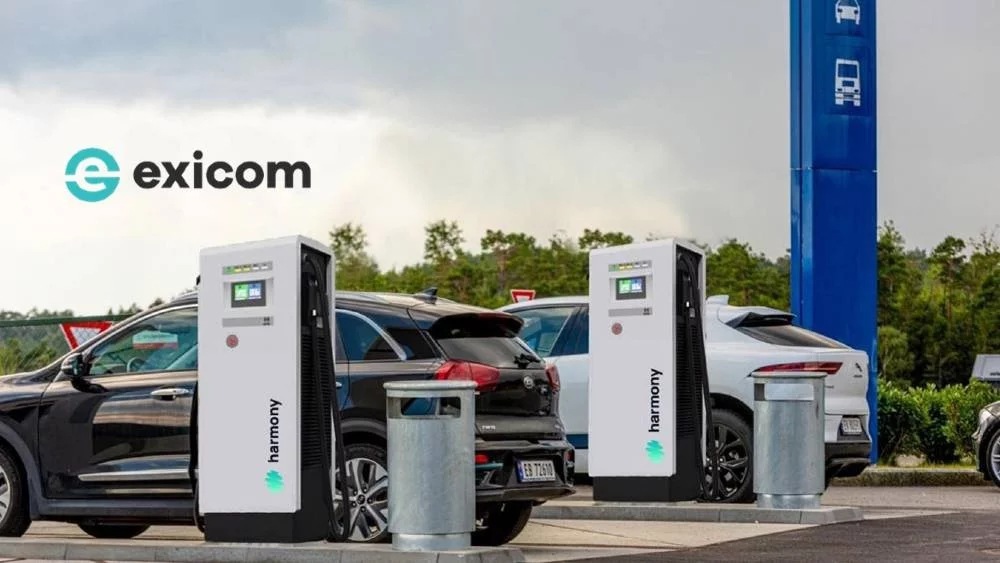
Exicom Tele-Systems Ltd has positioned itself at the epicenter of India’s sustainable infrastructure shift, operating across electric vehicle charging infrastructure and critical power management systems. The company has spent the last year executing a massive manufacturing transition, highlighted by the inauguration of its new 280,000 square foot integrated facility in Hyderabad. This facility is designed to scale AC and DC fast-charger outputs by 2.5 times.
However, corporate ambitions frequently collide with fiscal reality. The publication of the March 2026 financial results has forced an analytical reckoning. While the domestic EV segment is enjoying undeniable tailwinds, the balance sheet is absorbing heavy punishment from a highly leveraged global expansion strategy. This article unpacks the structural imbalances hidden behind the green energy hype, exploring whether the company’s operational trajectory can match its capital requirements.
Section 3 — Business Model: WTF Do They Even Do?
Exicom operates a vertically integrated business divided into two core segments: EV Charging Solutions (EVSE) and Critical Power systems. On the EVSE front, it designs and manufactures everything from slow 3.3 kW home chargers to ultra-fast 600 kW liquid-cooled dispensers used at heavy commercial bus depots and public highways. If you purchase a four-wheeled electric vehicle in India, there is a literal 50% coin-flip chance that the box on your garage wall came from Exicom’s production line.
The Critical Power division acts as the unglamorous backbone for digital communications. It manufactures rectifiers, AC-to-DC converters, and specialized lithium-ion energy storage systems (BESS) designed to keep telecom towers and data centers powered through grid fluctuations. They procure raw lithium cells from China, package them into proprietary modules in India, and sell them to capital-intensive infrastructure giants like Indus Towers and BSNL.
Section 4 — Financials Overview
Figures are consolidated, in ₹ crore.
Quarterly Performance Trend
Metric
Latest Quarter (Mar 2026)
YoY (%)
QoQ (%)
Revenue
387.95
46.10%
40.21%
EBITDA / Operating Profit
0.26
-99.16%
—
PAT
-54.31
—
—
EPS (₹)
-3.90
—
—
Note: Quarter-on-quarter EBITDA variations for prior quarters reflect deeper operating losses; Mar 2026 marked a nominal return to positive operating profit at ₹0.26 crore.
The top-line jump in the fourth quarter was driven by a seasonal acceleration in EVSE deliveries and